Contaminant Comparison Chart

For a complete list of contaminants that PUR filters reduce, please view our Performance Data Sheets here.


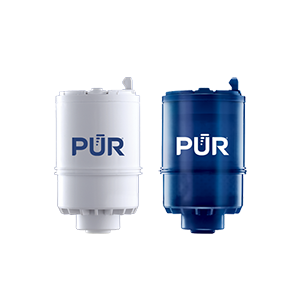
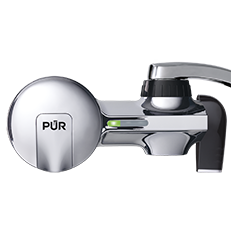
PUR & PUR PLUS FAUCET FILTERS
RF3375/RF9999

View Filters

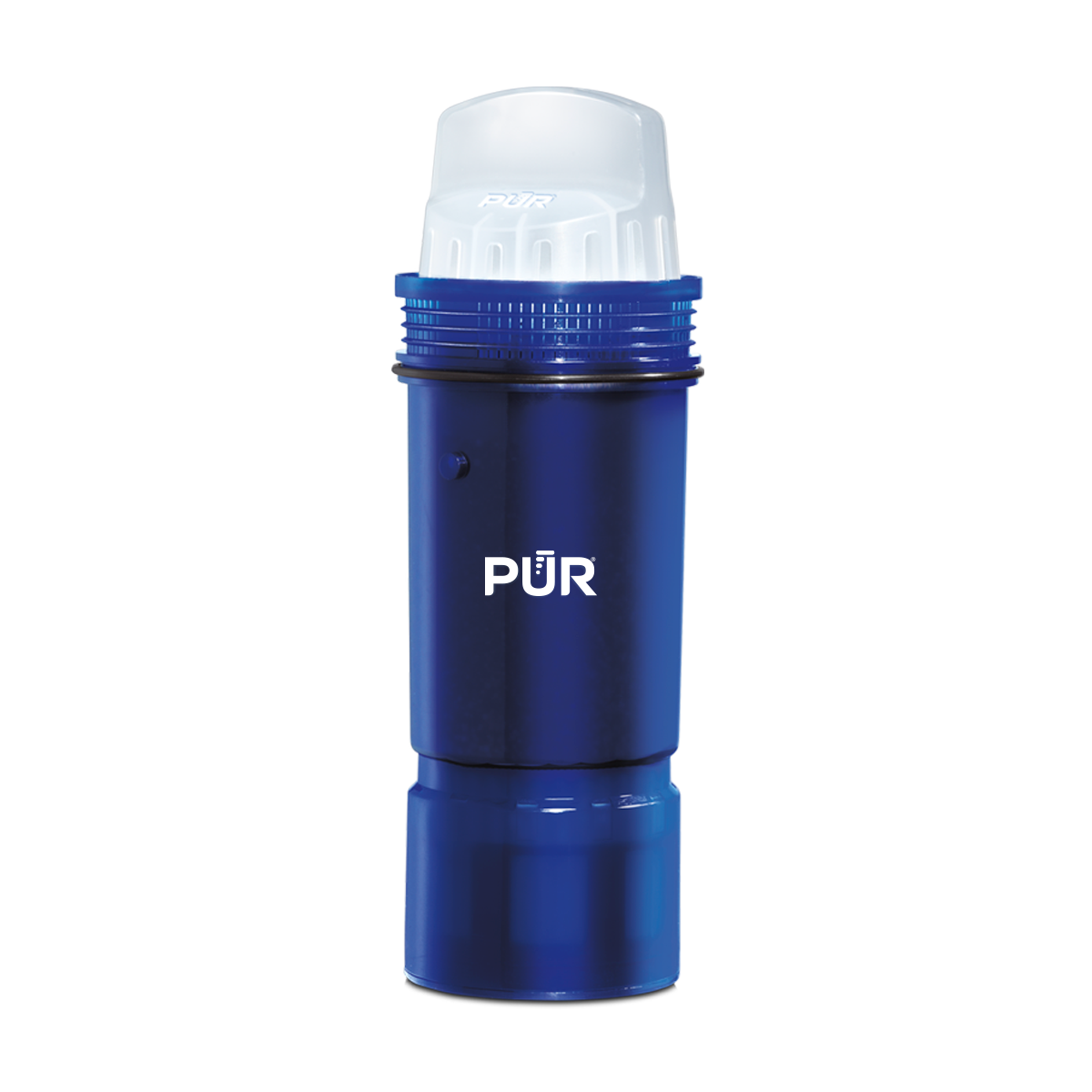
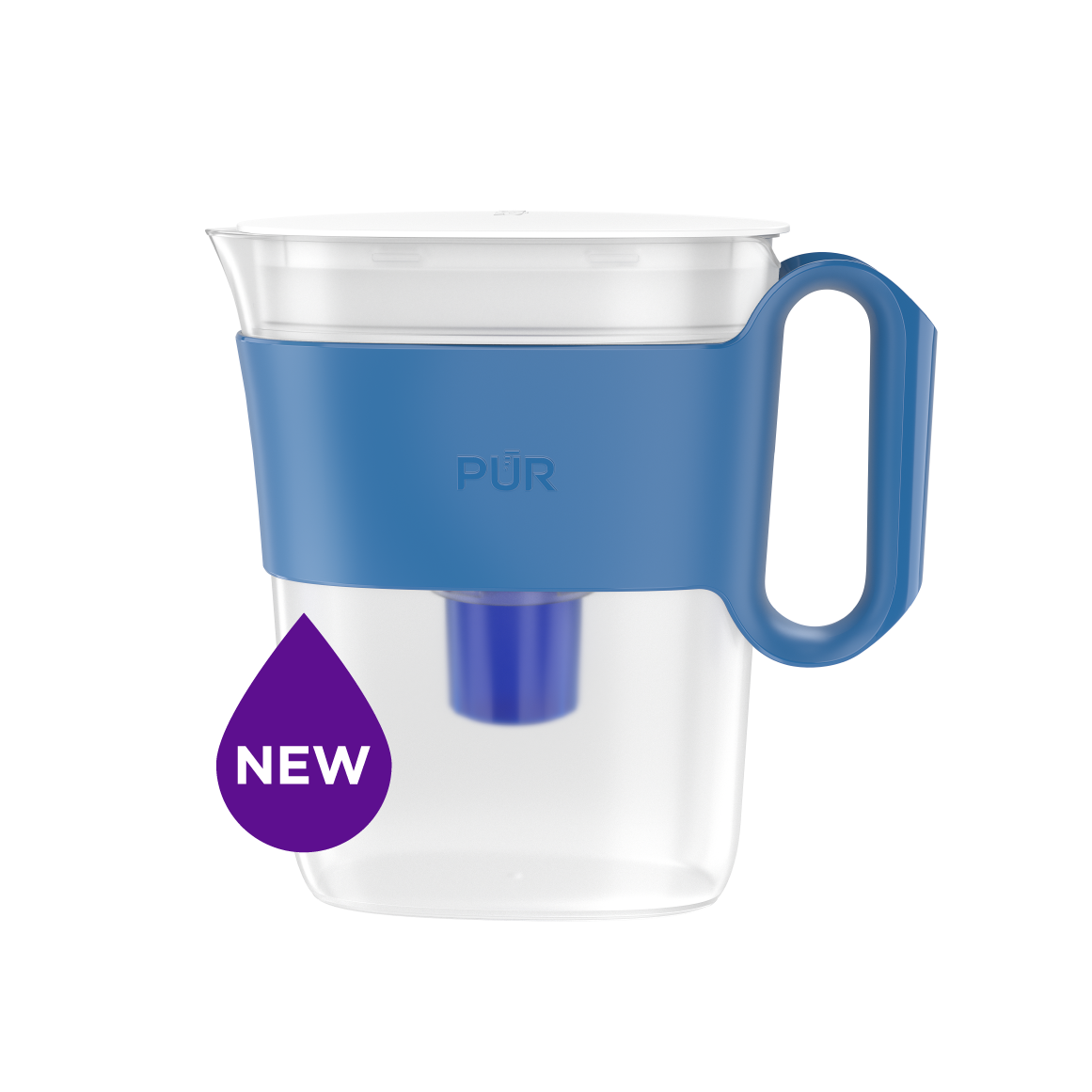
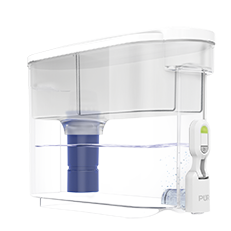
PUR PLUS PITCHER FILTERS
PPF951K

View Filter

PUR BASIC PITCHER FILTERS
PPF900Z

View Filter


Vs. Brita*

Lead
Microplastics
Mercury
Chlorine Taste & Odor
DEET
TTHM

PUR’s Filtration Systems Are Certified By NSF And WQA For Their Contamination Reduction. WQA certifications as of 5/27/21 for Faucet filter models RF-3375 and RF-9999.

¹ Certified to reduce 10X more chemical and physical substances than Brita’s® leading pitcher filter.
² Certified to reduce 3X more chemical and physical substances than Brita’s® leading pitcher filter.
³ Certified to reduce 2X more chemical and physical substances than Brita’s® leading pitcher filter.
*Versus best-selling Brita® pitcher filter OB03. Brita® is a trademark of Brita LP.
**Like other leading brands, PUR does not filter microbes. As of 3/1/23 Brita® and ZeroWater® were not certified to filter microbes. Brita® is a trademark of Brita LP. ZeroWater® is a trademark of Zero Technologies, LLC..
 

PUR & PUR PLUS FAUCET FILTERS


PUR & PUR PLUS FAUCET FILTERS
RF3375/RF9999

View Filters


Vs. Brita*

Lead
Microplastics
Mercury
Chlorine Taste & Odor
DEET
TTHM

PUR’s Filtration Systems Are Certified By NSF And WQA For Their Contamination Reduction. WQA certifications as of 5/27/21 for Faucet filter models RF-3375 and RF-9999.

¹ Certified to reduce 10X more chemical and physical substances than Brita’s® leading pitcher filter.
² Certified to reduce 3X more chemical and physical substances than Brita’s® leading pitcher filter.
³ Certified to reduce 2X more chemical and physical substances than Brita’s® leading pitcher filter.
*Versus best-selling Brita® pitcher filter OB03. Brita® is a trademark of Brita LP.
**Like other leading brands, PUR does not filter microbes. As of 3/1/23 Brita® and ZeroWater® were not certified to filter microbes. Brita® is a trademark of Brita LP. ZeroWater® is a trademark of Zero Technologies, LLC..


PUR PLUS PITCHER FILTERS


PUR PLUS PITCHER FILTERS
PPF951K

View Filter


Vs. Brita*

Lead
Microplastics
Mercury
Chlorine Taste & Odor
DEET
TTHM

PUR’s Filtration Systems Are Certified By NSF And WQA For Their Contamination Reduction. WQA certifications as of 5/27/21 for Faucet filter models RF-3375 and RF-9999.

¹ Certified to reduce 10X more chemical and physical substances than Brita’s® leading pitcher filter.
² Certified to reduce 3X more chemical and physical substances than Brita’s® leading pitcher filter.
³ Certified to reduce 2X more chemical and physical substances than Brita’s® leading pitcher filter.
*Versus best-selling Brita® pitcher filter OB03. Brita® is a trademark of Brita LP.
**Like other leading brands, PUR does not filter microbes. As of 3/1/23 Brita® and ZeroWater® were not certified to filter microbes. Brita® is a trademark of Brita LP. ZeroWater® is a trademark of Zero Technologies, LLC..


PUR BASIC PITCHER FILTERS


PUR BASIC PITCHER FILTERS
PPF900Z

View Filter


Vs. Brita*

Lead
Microplastics
Mercury
Chlorine Taste & Odor
DEET
TTHM

PUR’s Filtration Systems Are Certified By NSF And WQA For Their Contamination Reduction. WQA certifications as of 5/27/21 for Faucet filter models RF-3375 and RF-9999.

¹ Certified to reduce 10X more chemical and physical substances than Brita’s® leading pitcher filter.
² Certified to reduce 3X more chemical and physical substances than Brita’s® leading pitcher filter.
³ Certified to reduce 2X more chemical and physical substances than Brita’s® leading pitcher filter.
*Versus best-selling Brita® pitcher filter OB03. Brita® is a trademark of Brita LP.
**Like other leading brands, PUR does not filter microbes. As of 3/1/23 Brita® and ZeroWater® were not certified to filter microbes. Brita® is a trademark of Brita LP. ZeroWater® is a trademark of Zero Technologies, LLC..


Wholesale Small Glass Jars With Lids Best Options for Buyers?

The market for Small Glass Jars With Lids Wholesale has been steadily growing, driven by increasing consumer interest in sustainable and aesthetically pleasing packaging solutions. According to a report from Packaging Strategies, the glass packaging market is projected to grow at a CAGR of 4.8% over the next five years. This trend indicates a promising future for wholesalers in the glass jar segment.

Experts emphasize the importance of selecting the right product. John W. Peterson, a well-known analyst in the packaging industry, states, “The right glass jar can significantly elevate brand perception.” His insight reflects the critical role that design plays in consumer attraction.

While many options exist, not every jar suits every buyer’s needs. Buyers must consider factors such as size, lid types, and material quality. In an industry where durability meets aesthetics, making informed choices is essential for ensuring long-term satisfaction. Selecting the ideal small glass jar involves both research and reflection, highlighting the importance of expertise in navigating this nuanced market.

Wholesale Small Glass Jars With Lids Best Options for Buyers?

Wholesale Small Glass Jars: An Overview of Options

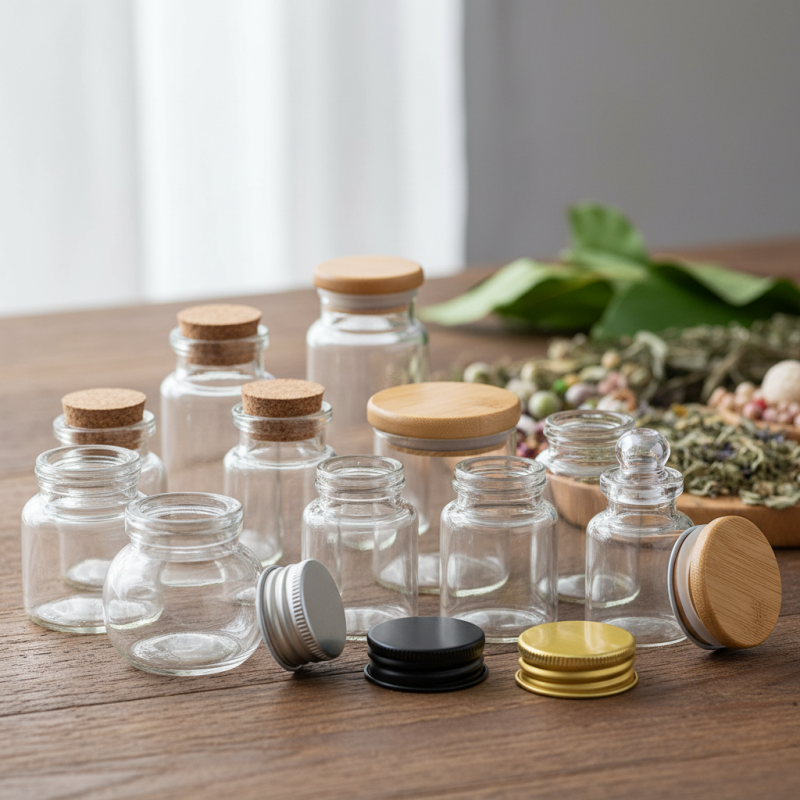
When exploring wholesale small glass jars, buyers encounter a variety of options. These jars come in different shapes and sizes, making them versatile for various uses. From food storage to crafting, their functionality is broad. Clear glass allows easy visibility, which is essential for quick identification.

Buyers should consider the type of lid that best suits their needs. Metal lids provide a tight seal, ensuring contents remain fresh. Plastic lids offer convenience but might not create the same airtight seal. It’s worth reflecting on the long-term use of these jars; sometimes a higher upfront cost leads to better durability.

While many options exist, not all meet safety standards. Buyers must verify suppliers adhere to regulations. Research plays a critical role in finding reliable sources. Without thorough investigation, one may encounter quality inconsistencies. Balancing cost and quality can pose challenges, but it’s essential for making informed purchasing decisions.

Factors to Consider When Buying Small Glass Jars with Lids

When selecting small glass jars with lids, several factors come into play. The first is size. Think about what you plan to store. Consider jars in different dimensions to meet specific needs. Opt for a jar that fits comfortably in your storage space.

Next, assess the quality of the glass. Not all glass is created equally. Thicker glass offers durability but may be heavier. Some jars might chip easily. Ensure that your choice can withstand daily use. Look for well-made lids that seal tightly. A secure lid is crucial for preserving contents.

Tips: Pay attention to the closure mechanism. Twist-on lids are simple yet effective. Snap lids can be more user-friendly but may not offer the same seal. Also, consider aesthetics. Clear glass allows you to see contents easily. Colored jars can add a decorative touch. Think about how the jar will be displayed.

It’s also wise to think about the purpose. Are these jars for food storage, craft supplies, or gifts? Each use may require different features. Reflect on the buying process. Sometimes cheaper options lead to disappointments. Choose wisely to ensure functionality and satisfaction.

Wholesale Small Glass Jars with Lids - Top Considerations

Popular Uses for Small Glass Jars in Wholesale Markets

Small glass jars are becoming increasingly popular in wholesale markets. They serve countless purposes. From food storage to crafting, these jars are versatile. According to industry reports, the demand for glass packaging is projected to grow by 4.5% annually until 2028. This rise reflects a shift towards sustainable materials.

In the food industry, small glass jars are ideal for preserves, sauces, and spices. Their airtight seals ensure freshness. They also appeal to health-conscious consumers. A survey indicated that 70% of shoppers prefer glass over plastic for its safety and eco-friendliness. Additionally, small glass jars are perfect for DIY projects. Crafters utilize them for gifts and home decor. This trend has created a robust market, with many retailers seeking wholesale options.

While the benefits are clear, challenges exist. Not all jars are created equal. Buyers should prioritize quality and durability. A poorly made jar can lead to leaks or breakage. There’s also the risk of supply chain disruptions. Keeping an eye on market trends can help mitigate these risks. Engaging with viable suppliers is essential for reliability.

Comparing Prices: Where to Find the Best Deals on Glass Jars

When searching for small glass jars with lids, pricing can vary significantly. For buyers, it’s essential to identify where to find the best deals. Start by exploring local craft stores and online marketplaces. You may discover promotions or bulk discounts that significantly reduce your costs.

Many online platforms offer competitive pricing for glass jars. However, the prices may not always reflect quality. Some jars look great at first but may crack easily. Reading customer reviews can provide insight into their durability and capacity. It’s crucial to compare different sellers and gather several quotes before making a decision.

Consider checking wholesalers for bulk purchases. While the upfront cost might seem high, buying in bulk usually decreases the cost per jar. Ensure the jars meet your needs, whether for storage or crafts. Reflect on what sizes work best for your purpose. Researching your options thoroughly will lead to more satisfactory purchases.

Top Suppliers of Wholesale Small Glass Jars and Their Offers

When looking for wholesale small glass jars with lids, it's crucial to find reliable suppliers. Several top suppliers offer various options suitable for different needs. While some suppliers focus on craft and aesthetic designs, others prioritize function. Understanding your requirements will guide you to the right choice.

Many suppliers provide competitive pricing and bulk discounts. However, not every supplier offers the same quality. Some jars may have flaws or inconsistent finishes. Comparing reviews and ratings can help identify the best options. It's wise to request samples before placing larger orders. This practice minimizes the risk of investing in inferior products.

Be cautious when choosing suppliers. Some may have hidden fees in their quotes. Transparency is key. Engaging directly with suppliers allows buyers to ask questions and clarify terms. This communication can highlight subtle issues that may arise after purchase. Consider asking about their sourcing practices and commitment to quality. This can ensure that you are making an informed decision.