
Contaminant Comparison Chart

For a complete list of contaminants that PUR filters reduce, please view our Performance Data Sheets here.


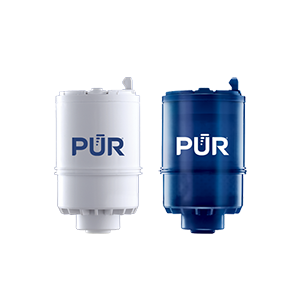
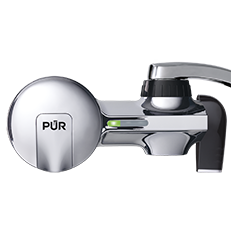
PUR & PUR PLUS FAUCET FILTERS
RF3375/RF9999

View Filters

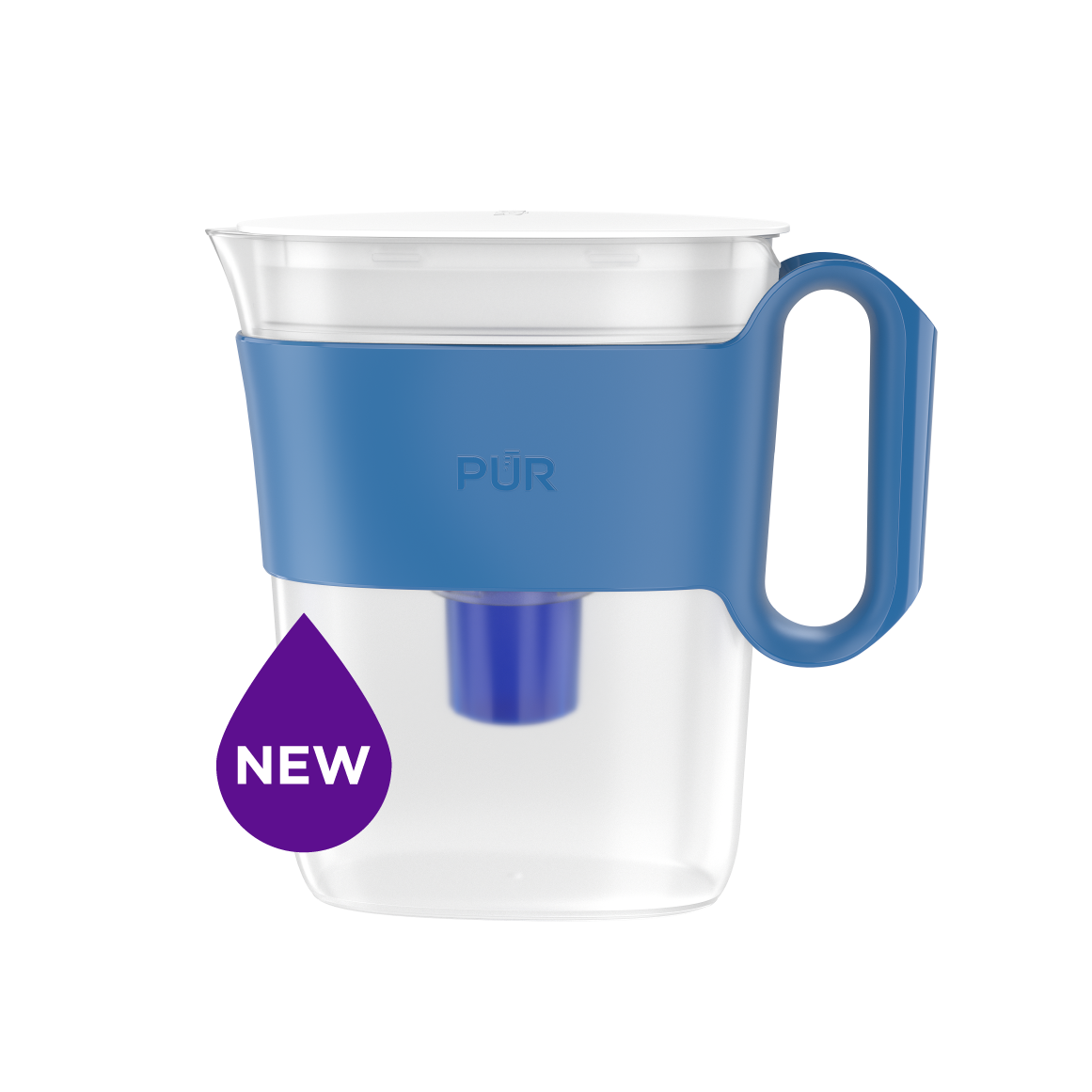
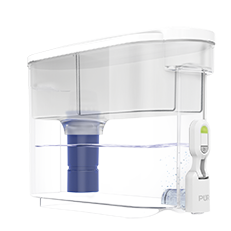
PUR PLUS PITCHER FILTERS
PPF951K

View Filter

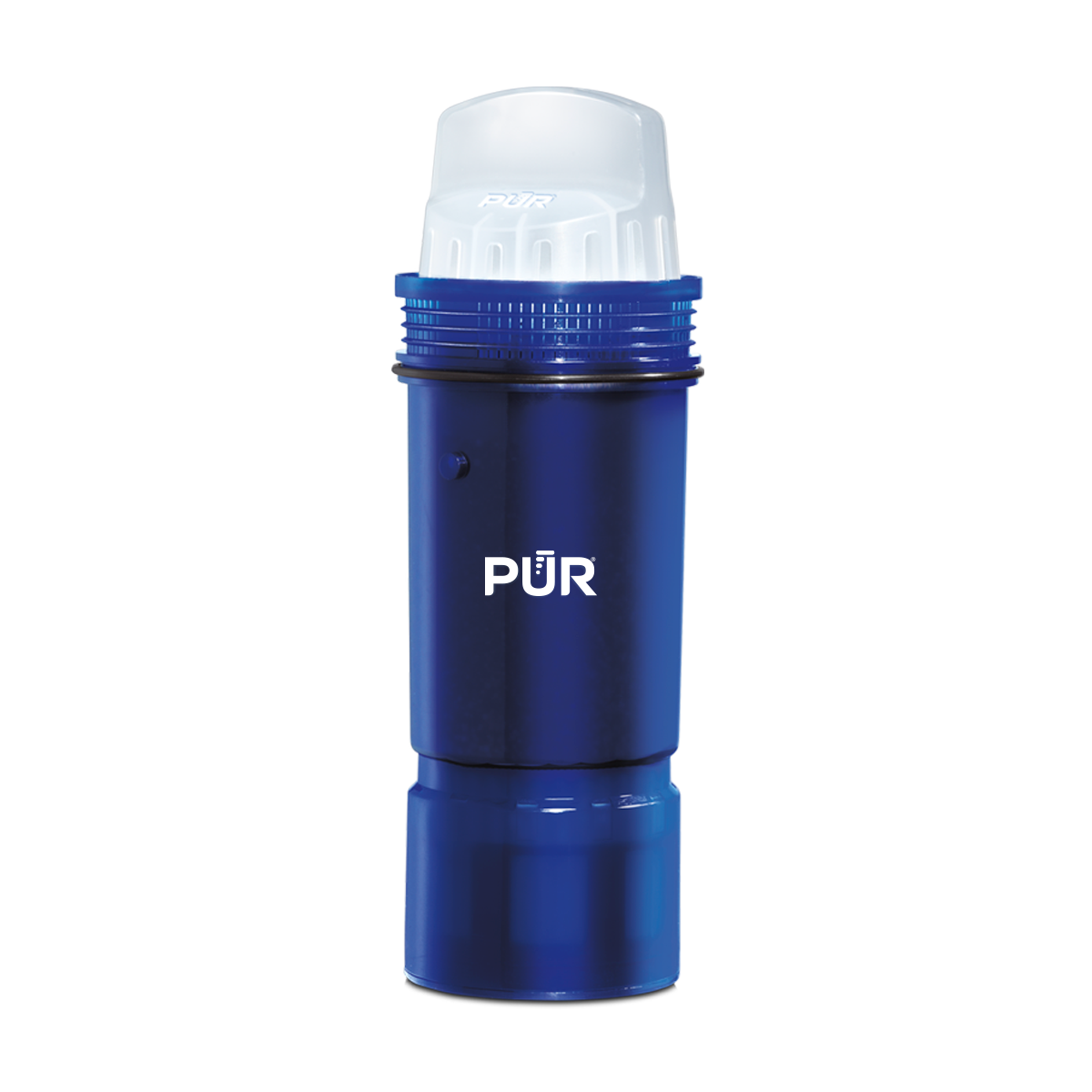
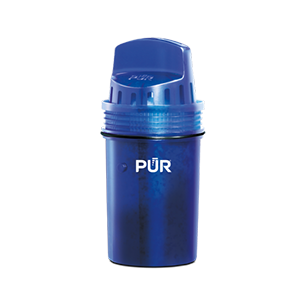
PUR BASIC PITCHER FILTERS
PPF900Z

View Filter


Vs. Brita*

Lead ✓ ✓
Microplastics ✓ ✓
Mercury ✓ ✓ ✓
Chlorine Taste & Odor ✓ ✓ ✓
DEET ✓
TTHM ✓

PUR’s Filtration Systems Are Certified By NSF And WQA For Their Contamination Reduction. WQA certifications as of 5/27/21 for Faucet filter models RF-3375 and RF-9999.

¹ Certified to reduce 10X more chemical and physical substances than Brita’s® leading pitcher filter.
² Certified to reduce 3X more chemical and physical substances than Brita’s® leading pitcher filter.
³ Certified to reduce 2X more chemical and physical substances than Brita’s® leading pitcher filter.
*Versus best-selling Brita® pitcher filter OB03. Brita® is a trademark of Brita LP.
**Like other leading brands, PUR does not filter microbes. As of 3/1/23 Brita® and ZeroWater® were not certified to filter microbes. Brita® is a trademark of Brita LP. ZeroWater® is a trademark of Zero Technologies, LLC..
 

PUR & PUR PLUS FAUCET FILTERS


PUR & PUR PLUS FAUCET FILTERS
RF3375/RF9999

View Filters


Vs. Brita*

Lead ✓
Microplastics ✓
Mercury ✓
Chlorine Taste & Odor ✓
DEET ✓
TTHM ✓

PUR’s Filtration Systems Are Certified By NSF And WQA For Their Contamination Reduction. WQA certifications as of 5/27/21 for Faucet filter models RF-3375 and RF-9999.

¹ Certified to reduce 10X more chemical and physical substances than Brita’s® leading pitcher filter.
² Certified to reduce 3X more chemical and physical substances than Brita’s® leading pitcher filter.
³ Certified to reduce 2X more chemical and physical substances than Brita’s® leading pitcher filter.
*Versus best-selling Brita® pitcher filter OB03. Brita® is a trademark of Brita LP.
**Like other leading brands, PUR does not filter microbes. As of 3/1/23 Brita® and ZeroWater® were not certified to filter microbes. Brita® is a trademark of Brita LP. ZeroWater® is a trademark of Zero Technologies, LLC..


PUR PLUS PITCHER FILTERS


PUR PLUS PITCHER FILTERS
PPF951K

View Filter


Vs. Brita*

Lead ✓
Microplastics ✓
Mercury ✓
Chlorine Taste & Odor ✓
DEET
TTHM

PUR’s Filtration Systems Are Certified By NSF And WQA For Their Contamination Reduction. WQA certifications as of 5/27/21 for Faucet filter models RF-3375 and RF-9999.

¹ Certified to reduce 10X more chemical and physical substances than Brita’s® leading pitcher filter.
² Certified to reduce 3X more chemical and physical substances than Brita’s® leading pitcher filter.
³ Certified to reduce 2X more chemical and physical substances than Brita’s® leading pitcher filter.
*Versus best-selling Brita® pitcher filter OB03. Brita® is a trademark of Brita LP.
**Like other leading brands, PUR does not filter microbes. As of 3/1/23 Brita® and ZeroWater® were not certified to filter microbes. Brita® is a trademark of Brita LP. ZeroWater® is a trademark of Zero Technologies, LLC..


PUR BASIC PITCHER FILTERS


PUR BASIC PITCHER FILTERS
PPF900Z

View Filter


Vs. Brita*

Lead
Microplastics
Mercury ✓
Chlorine Taste & Odor ✓
DEET
TTHM

PUR’s Filtration Systems Are Certified By NSF And WQA For Their Contamination Reduction. WQA certifications as of 5/27/21 for Faucet filter models RF-3375 and RF-9999.

¹ Certified to reduce 10X more chemical and physical substances than Brita’s® leading pitcher filter.
² Certified to reduce 3X more chemical and physical substances than Brita’s® leading pitcher filter.
³ Certified to reduce 2X more chemical and physical substances than Brita’s® leading pitcher filter.
*Versus best-selling Brita® pitcher filter OB03. Brita® is a trademark of Brita LP.
**Like other leading brands, PUR does not filter microbes. As of 3/1/23 Brita® and ZeroWater® were not certified to filter microbes. Brita® is a trademark of Brita LP. ZeroWater® is a trademark of Zero Technologies, LLC..


Why Choose Precision Mold Components?

Why Choose Precision Mold Components?

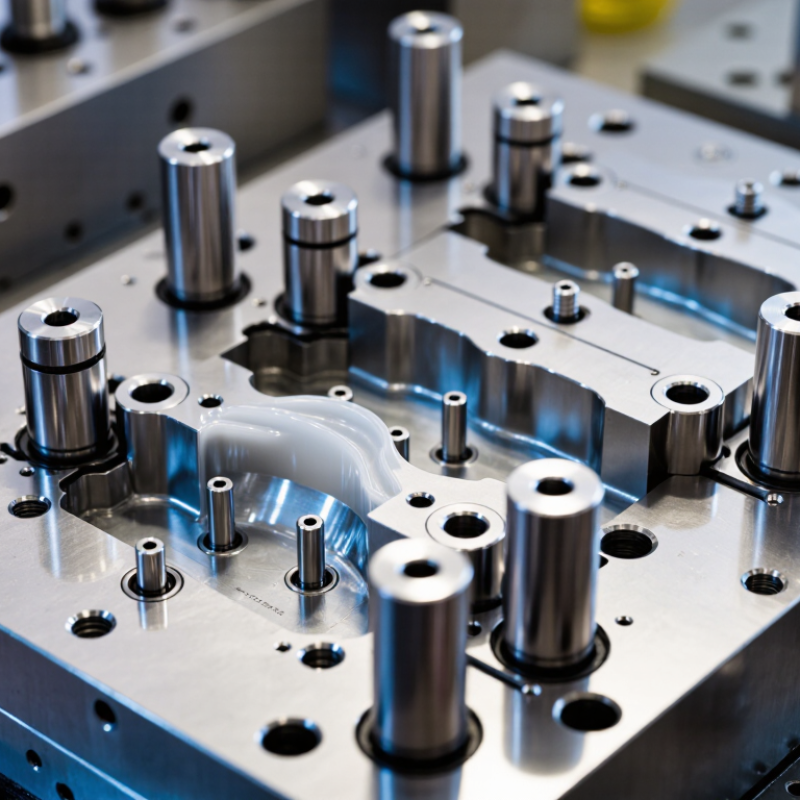
A molded part may look simple after it leaves the press. Inside the tool, however, guide pins, bushings, ejector pins, and cavity inserts must work together through repeated cycles. Small errors can show up as flash, uneven dimensions, sticking parts, or avoidable downtime. Precision Mold Components help control these risks by supporting accurate alignment, repeatable movement, and consistent part formation. The details matter.

Market demand gives useful context, but it is not proof that every mold needs premium components. Grand View Research’s Injection Molded Plastics Market Size, Share & Trends Analysis Report estimated the global market at USD 387.5 billion in 2023, with projected growth from 2024 to 2030. That scale reflects broad use across industries, not a guaranteed return on any specific tooling choice. Buyers still need to match component materials, tolerances, coatings, and serviceability to the resin, cycle conditions, and expected production volume.

A well-chosen component can reduce wear and help keep a mold stable across long runs. For example, a properly fitted guide system can limit misalignment, while a suitable ejector pin can release parts without marking them. Yet a tighter tolerance is not automatically better. It may raise cost without improving the finished product. The choice is not automatic. Review drawings, operating conditions, and maintenance access with an experienced mold maker. Precision should solve a measurable problem—and sometimes the first specification needs another look.

Why Choose Precision Mold Components?

What Are Precision Mold Components?

Why Choose Precision Mold Components?
What Are Precision Mold Components?

Precision mold components are the fitted parts that shape, guide, cool, and release a molded product. They include core and cavity inserts, guide pins and bushings, ejector pins, sliders, and lifters. Each has a defined job. The core and cavity form the part’s surfaces; guide elements keep the mold halves aligned, while ejectors help release the finished piece. Precision means controlling dimensions, surface finish, material, and fit to suit the mold design and production conditions. It does not mean making every feature as tight as possible.

A small mismatch can leave flash along an edge or cause uneven wear. For example, a guide pin that binds as the mold warms can affect alignment over repeated cycles. Material choice and maintenance matter, too. Grand View Research’s 2024 report valued the global injection-molded plastics market at USD 284.4 billion in 2023 and projected 4.7% annual growth through 2030. That scale makes repeatable tooling important, but market growth alone does not prove a component is suitable. Teams should check drawings, operating temperatures, resin behavior, and inspection records. A perfect-looking specification can still miss real shop-floor conditions.

How Do Precision Mold Components Improve Mold Accuracy?

Why Choose Precision Mold Components?

How Do Precision Mold Components Improve Mold Accuracy?

Precision mold components control how the mold aligns, closes, and releases each part. Ground guide pins and bushings help keep the two halves aligned. Accurately machined cavities and cores also reduce mismatch, uneven wall thickness, and flash along the parting line. Small errors stack. Even a slight offset can affect fit across repeated cycles.

ISO 20457 sets tolerance classes and acceptance guidance for plastic moulded parts, underscoring the need to match tooling accuracy with the part’s requirements. Deloitte’s 2024 Smart Manufacturing Survey found that 86% of surveyed manufacturing executives expect smart manufacturing to be a primary competitiveness driver within five years. That broad industry finding is not proof that tighter mold components alone improve quality; measurement and process control matter too. Resin shrinkage, temperature changes, and machine settings can still shift dimensions. The uncomfortable truth: precision parts cannot compensate for poor process control.

Tips: Check pin-to-bushing clearance, cavity dimensions, and insert seating during inspection. Record measurements over several cycles, not just once. Keep the measurement method consistent. A perfect reading on one day may not tell the whole story.

Why Choose Precision Mold Components? — How Do They Improve Mold Accuracy?
Component Accuracy-Controlled Feature Illustrative Precision Target How It Improves Mold Accuracy Typical Verification Method
Guide pins and guide bushes Pin diameter, straightness, and alignment with the bush Example ground-diameter tolerance: ±0.005–0.010 mm Helps the mold halves close repeatedly in the intended position, reducing mismatch at the parting line and uneven wear. Micrometer or air gauge for diameter; dial indicator or coordinate measuring machine (CMM) for alignment.
Locating pins and bushings Position and fit between mating plates or inserts Position tolerance set on the drawing; a precision application may specify ±0.010 mm Maintains the location of mold plates and interchangeable inserts during assembly and repeated production cycles. CMM measurement of pin and bore positions; fit checked against the specified drawing dimensions.
Cavity and core inserts Profile, critical dimensions, and surface finish Example critical-dimension tolerance: ±0.010–0.025 mm Controls the geometry transferred to the molded or formed part. Accurate insert dimensions support consistent part size and shape. CMM or optical measurement for profile and dimensions; surface roughness tester where finish is specified.
Ejector pins Pin diameter, straightness, and alignment with the ejector bore Fit and clearance specified for the application; pin diameter may be controlled to ±0.005–0.010 mm Promotes consistent movement and helps reduce sticking, pin drag, and unwanted marks on the ejected part. Micrometer for diameter; runout or straightness check; functional movement check in the assembled plate.
Slides, lifters, and wear plates Guide-face parallelism, clearance, and contact surfaces Clearance and parallelism defined by the design; example parallelism target: 0.010–0.020 mm Supports controlled side-action movement and repeatable shutoff, helping prevent flash and dimensional variation around moving features. Dial indicator, feeler gauges, surface plate inspection, and assembled-motion check.
Sprue bushings and locating rings Concentricity and alignment with the machine nozzle Concentricity target specified by the mold and machine interface drawing Helps align the material-entry path, reducing the risk of nozzle misalignment, leakage, and uneven filling. CMM or concentricity gauge; interface dimensions checked against the machine and mold drawings.
Cooling-channel components and seals Channel position, bore size, and sealing-face condition Channel location tolerance defined by the cooling layout; pressure test performed to the project specification Accurate channel placement supports more predictable cooling. Properly fitted seals help prevent coolant leakage into the mold. Dimensional inspection of accessible features; leak or pressure test using the specified test pressure and duration.
Note: The numerical values above are illustrative engineering targets, not universal standards or guaranteed component specifications. Required tolerances depend on the mold design, material, operating conditions, and part requirements; the approved drawing and inspection plan take precedence.

What Benefits Do They Offer in Production?

Why Choose Precision Mold Components?
What Benefits Do They Offer in Production?

Precision mold components help production teams hold dimensions steady across repeated cycles. A well-fitted cavity insert, for example, can reduce flash and limit variation between molded parts. Carefully matched guide pillars and bushings keep the mold halves aligned as they close. This can reduce wear and prevent avoidable adjustments during a long run. Fewer surprises.

Ejector pins made to the specified diameter and finish can release parts more consistently, with fewer drag marks or stuck pieces. That means less time spent clearing the mold and sorting questionable parts. Small gains add up. Replaceable inserts and standardized components can also simplify maintenance: technicians can change a worn area without rebuilding the entire mold. In practice, results depend on accurate drawings, material choice, machining quality, and inspection. Precision alone cannot correct poor venting or an unsuitable mold design. Not automatically. Teams should check critical dimensions and fit before production, then track wear during use. That extra attention takes time, but it can prevent costly interruptions later.

Where Are Precision Mold Components Commonly Used?

Precision mold components are used wherever molded parts must repeat exact dimensions at high volume. In automotive plants, they shape connector housings, dashboard clips, lighting parts, and under-hood components. OICA reported 93.5 million motor vehicles produced worldwide in 2023. That scale makes consistent tooling important. Small tolerances matter.

Cores, cavities, guide pins, and ejector pins also serve medical-device production, including diagnostic cartridge housings and pipette tips. In electronics, they form compact connector bodies and protective enclosures; in packaging, they support caps and thin-wall containers. Grand View Research estimated the global injection-molded plastics market at USD 284.3 billion in 2023, reflecting the broad industrial reach of molded products. Precision inserts help control dimensions, surface finish, and part release, but they cannot fix poor material choice or unstable process settings. A cavity may look perfect on a drawing and still wear unevenly in production. Regular inspection remains essential.

What Factors Guide Component Selection?

Why Choose Precision Mold Components?

What Factors Guide Component Selection?

Component selection begins with the resin, part geometry, and expected production volume. Glass-filled polymers can wear cavity surfaces and ejector pins faster than unfilled resins. Corrosive materials may call for corrosion-resistant steels. Tight tolerances also require attention to guide pins, bushings, and alignment. Small mismatches can leave flash, uneven wear, or parts that stick.

The scale of molding makes these choices consequential. Grand View Research’s 2024 Injection Molded Plastics Market report estimated the global market at USD 330.9 billion in 2023, with a projected 4.2% compound annual growth rate through 2030. This is market context, not a component specification. For an actual mold, compare operating pressure, cycle time, cooling needs, surface finish, and maintenance access. A polished cavity may look right in a drawing. Cooling channels and replaceable inserts still need practical review.

Production volume should guide material and service-life decisions. A short run may not justify the same wear-resistant inserts as a high-volume tool. Yet choosing the cheapest pin can become costly if replacement requires extensive disassembly. That detail is easy to miss. Ask how technicians will inspect wear, remove components, and restore alignment. Also check supplier drawings against the assembled mold, not just individual part dimensions. Specifications can look complete on paper and still overlook an awkward maintenance step. A brief design review can expose it.