Contaminant Comparison Chart

For a complete list of contaminants that PUR filters reduce, please view our Performance Data Sheets here.


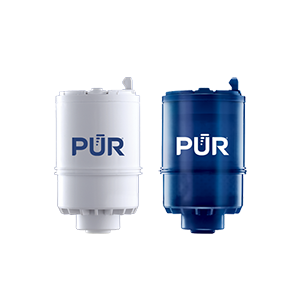
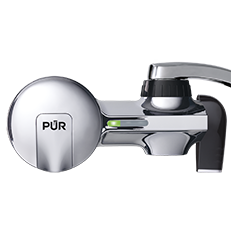
PUR & PUR PLUS FAUCET FILTERS
RF3375/RF9999

View Filters

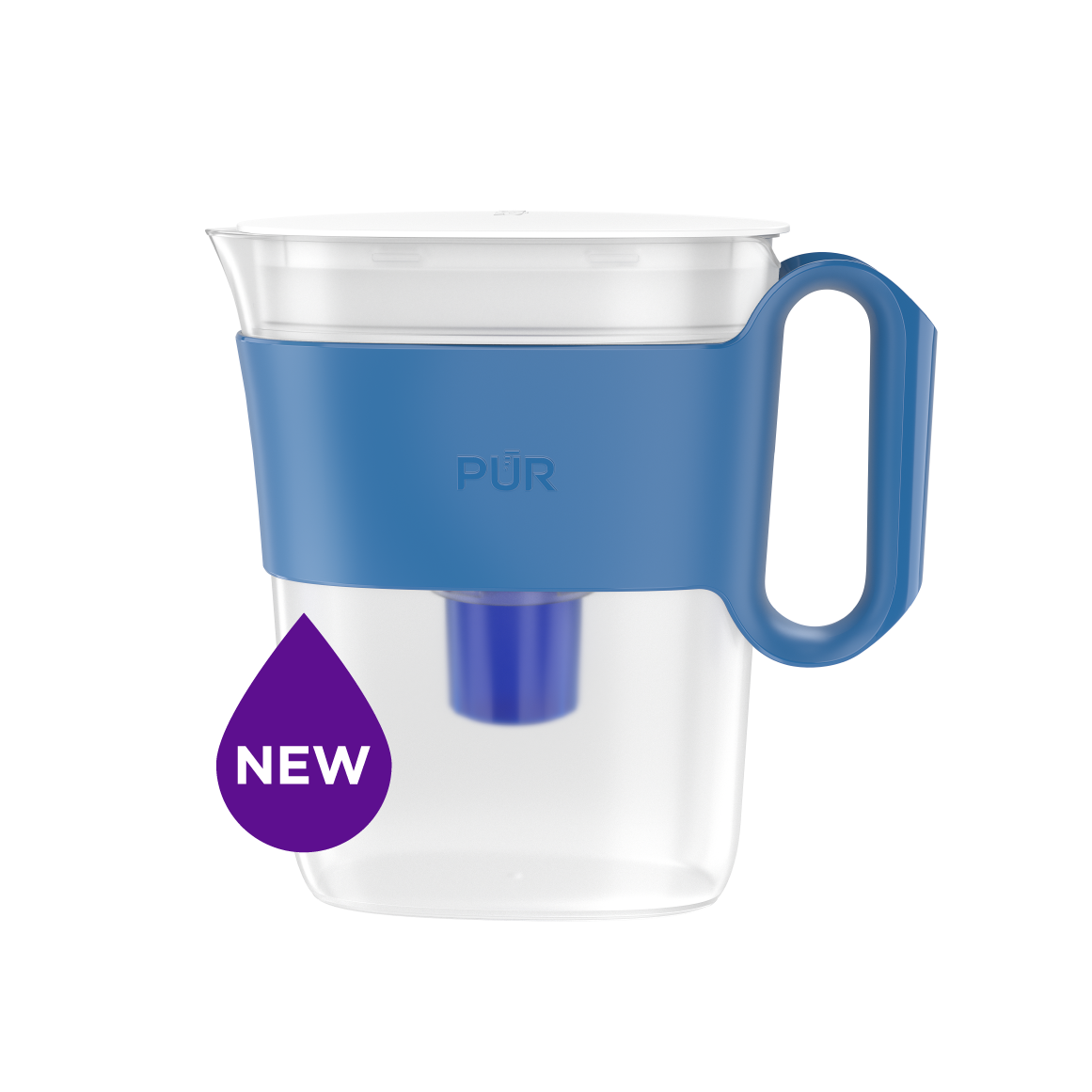
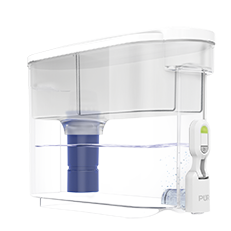
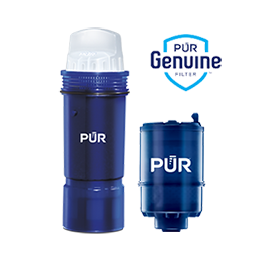
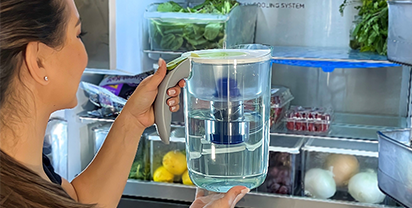
PUR PLUS PITCHER FILTERS
PPF951K

View Filter

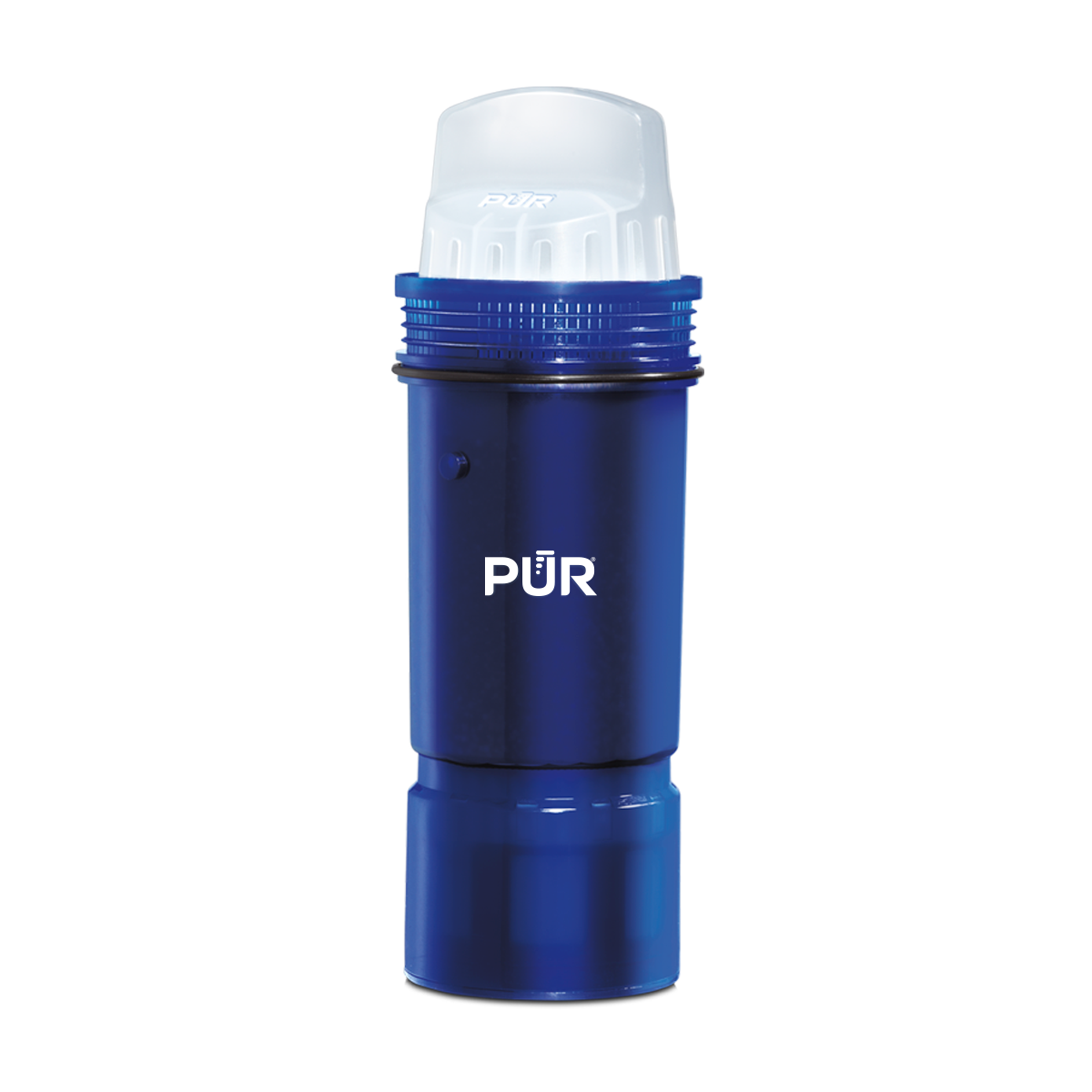
PUR BASIC PITCHER FILTERS
PPF900Z

View Filter


Vs. Brita*

Lead
Microplastics
Mercury
Chlorine Taste & Odor
DEET
TTHM

PUR’s Filtration Systems Are Certified By NSF And WQA For Their Contamination Reduction. WQA certifications as of 5/27/21 for Faucet filter models RF-3375 and RF-9999.

¹ Certified to reduce 10X more chemical and physical substances than Brita’s® leading pitcher filter.
² Certified to reduce 3X more chemical and physical substances than Brita’s® leading pitcher filter.
³ Certified to reduce 2X more chemical and physical substances than Brita’s® leading pitcher filter.
*Versus best-selling Brita® pitcher filter OB03. Brita® is a trademark of Brita LP.
**Like other leading brands, PUR does not filter microbes. As of 3/1/23 Brita® and ZeroWater® were not certified to filter microbes. Brita® is a trademark of Brita LP. ZeroWater® is a trademark of Zero Technologies, LLC..
 

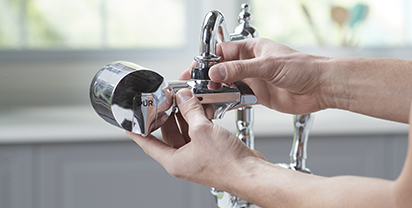
PUR & PUR PLUS FAUCET FILTERS


PUR & PUR PLUS FAUCET FILTERS
RF3375/RF9999

View Filters


Vs. Brita*

Lead
Microplastics
Mercury
Chlorine Taste & Odor
DEET
TTHM

PUR’s Filtration Systems Are Certified By NSF And WQA For Their Contamination Reduction. WQA certifications as of 5/27/21 for Faucet filter models RF-3375 and RF-9999.

¹ Certified to reduce 10X more chemical and physical substances than Brita’s® leading pitcher filter.
² Certified to reduce 3X more chemical and physical substances than Brita’s® leading pitcher filter.
³ Certified to reduce 2X more chemical and physical substances than Brita’s® leading pitcher filter.
*Versus best-selling Brita® pitcher filter OB03. Brita® is a trademark of Brita LP.
**Like other leading brands, PUR does not filter microbes. As of 3/1/23 Brita® and ZeroWater® were not certified to filter microbes. Brita® is a trademark of Brita LP. ZeroWater® is a trademark of Zero Technologies, LLC..


PUR PLUS PITCHER FILTERS


PUR PLUS PITCHER FILTERS
PPF951K

View Filter


Vs. Brita*

Lead
Microplastics
Mercury
Chlorine Taste & Odor
DEET
TTHM

PUR’s Filtration Systems Are Certified By NSF And WQA For Their Contamination Reduction. WQA certifications as of 5/27/21 for Faucet filter models RF-3375 and RF-9999.

¹ Certified to reduce 10X more chemical and physical substances than Brita’s® leading pitcher filter.
² Certified to reduce 3X more chemical and physical substances than Brita’s® leading pitcher filter.
³ Certified to reduce 2X more chemical and physical substances than Brita’s® leading pitcher filter.
*Versus best-selling Brita® pitcher filter OB03. Brita® is a trademark of Brita LP.
**Like other leading brands, PUR does not filter microbes. As of 3/1/23 Brita® and ZeroWater® were not certified to filter microbes. Brita® is a trademark of Brita LP. ZeroWater® is a trademark of Zero Technologies, LLC..


PUR BASIC PITCHER FILTERS


PUR BASIC PITCHER FILTERS
PPF900Z

View Filter


Vs. Brita*

Lead
Microplastics
Mercury
Chlorine Taste & Odor
DEET
TTHM

PUR’s Filtration Systems Are Certified By NSF And WQA For Their Contamination Reduction. WQA certifications as of 5/27/21 for Faucet filter models RF-3375 and RF-9999.

¹ Certified to reduce 10X more chemical and physical substances than Brita’s® leading pitcher filter.
² Certified to reduce 3X more chemical and physical substances than Brita’s® leading pitcher filter.
³ Certified to reduce 2X more chemical and physical substances than Brita’s® leading pitcher filter.
*Versus best-selling Brita® pitcher filter OB03. Brita® is a trademark of Brita LP.
**Like other leading brands, PUR does not filter microbes. As of 3/1/23 Brita® and ZeroWater® were not certified to filter microbes. Brita® is a trademark of Brita LP. ZeroWater® is a trademark of Zero Technologies, LLC..


Why Choose Canopy Outdoor for Global Buyers?

Global buyers need more than attractive outdoor products. They need dependable communication, stable quality, and clear delivery expectations. Canopy Outdoor aims to support these needs through practical product knowledge and structured supplier coordination. Its value should be judged through evidence, not broad promises. Product specifications, material details, packaging methods, and inspection records deserve careful review before any purchase decision.

Outdoor products face demanding conditions. Sunlight, rain, wind, and repeated handling can expose weak materials quickly. A capable supplier should explain fabric performance, frame construction, stitching quality, and hardware choices in understandable terms. Canopy Outdoor can help buyers compare options for events, retail programs, hospitality spaces, and commercial projects. Sample evaluation remains important. A real canopy sample can reveal details that photographs hide, such as seam tension, coating texture, zipper movement, and folding convenience.

Consistency matters.

Global purchasing also involves communication across time zones, languages, and business cultures. Clear drawings, approved samples, production updates, and transparent shipping documents can reduce avoidable confusion. Buyers should also confirm compliance requirements for their destination markets. These may involve labeling, packaging, safety expectations, or environmental documentation. Canopy Outdoor should be considered as a partner whose performance is measured throughout the process, not only at quotation stage.

No supplier is flawless. Delays, revisions, and unexpected material changes can still occur. That is why responsible buyers need written confirmations and realistic timelines. With informed checking, responsive communication, and measurable quality controls, Canopy Outdoor may offer a reliable path for international outdoor product sourcing. The strongest partnership is built through shared accountability, not assumption.

Why Choose Canopy Outdoor for Global Buyers?

Canopy Outdoor: Company Profile and Product Scope

For global buyers, a clear company profile matters as much as a product catalogue.
This outdoor supplier focuses on practical shade structures for gardens, hospitality areas, events, and commercial spaces. Its team combines material knowledge with hands-on experience in measuring sites, reviewing drawings, and preparing export-ready orders. That process helps buyers compare options without relying on attractive photographs alone. Details matter.

The product scope includes retractable canopies, fixed shade systems, waterproof covers, side panels, replacement fabrics, and mounting accessories.

Available sizes, fabrics, colors, frame finishes, and installation methods can be adjusted for different climates and project requirements. Buyers may request samples, technical drawings, load information, and packing details before confirming an order. This practical documentation supports internal approval, installation planning, and communication with local contractors.

Reliability also appears in small actions: clear lead times, consistent measurements, protective packaging, and responsive after-sales communication.

The company can guide buyers through fabric selection, drainage needs, wind exposure, and routine maintenance. No outdoor product is perfect. A coastal site may demand stronger corrosion protection, while a temporary event structure may prioritize speed and portability. I would still verify local building requirements and installation conditions before purchase. That extra check often prevents expensive changes later.

Key Features of Canopy Outdoor Products

For global buyers, canopy outdoor products must do more than look attractive. They need stable shelter, practical details, and predictable performance. A powder-coated steel frame resists routine moisture and scratches. Reinforced corner joints help the structure stay firm in changing weather. UV-resistant fabric reduces fading during long summer use. These features matter at busy markets, garden events, and temporary hospitality areas. In real use, setup time often matters as much as appearance. A clear assembly guide can prevent costly delays.

Portability is another important feature. Foldable frames, carry bags, and manageable panel sizes support easier transport between locations. Adjustable height gives users more control over shade and headroom. Removable sidewalls can improve privacy, reduce wind exposure, or create a warmer space.

Secure anchoring remains essential, especially on open ground. No canopy should be treated as storm-proof without verified ratings. That detail is easy to overlook. It should not be.

Experienced buyers also examine stitching, drainage, replacement parts, and cleaning instructions. Water-shedding fabric helps during light rain, while sealed seams may improve long-term reliability. However, performance depends on correct installation and local conditions. A product suitable for a calm garden may need extra ballast in a coastal area. Specifications should be clear, measurable, and supported by testing information. I would still inspect every joint after repeated assembly. Small wear can become a larger problem. Honest product details help international buyers compare value, maintenance, and expected service life with greater confidence.

Quality Standards and Manufacturing Processes

Global buyers need more than attractive outdoor canopies. They need consistent quality, documented processes, and suppliers who can explain every production stage. Reliable manufacturing begins with material verification, including fabric weight, UV resistance, waterproof performance, and frame strength. Certificates help, but practical testing remains essential.

Small details matter. Technicians inspect tube dimensions, weld points, stitching, and coating thickness before assembly. Finished units may undergo rain simulation, wind-load checks, folding tests, and repeated opening cycles. These tests reveal weak seams or unstable connections that photographs cannot show. Production records should link each batch to its raw materials, inspection results, and packaging date. That traceability supports clearer communication when buyers manage different markets and installation conditions.

Experience also shapes the process. A team that has reviewed damaged corners, faded fabric, or missing hardware can improve future designs. Still, no manufacturing system is flawless. A sample may pass inspection yet expose a problem during long-term use. That possibility deserves honest discussion, not polished promises. Regular internal audits, independent testing when appropriate, and buyer feedback can reduce these risks. Clear drawings, approved samples, and written tolerances help prevent misunderstandings across languages and time zones. Consistency is earned through repeated checks, not assumed from a single successful shipment.

Why Choose Canopy Outdoor for Global Buyers? - Quality Standards and Manufacturing Processes
Quality Dimension Industry Reference or Requirement Manufacturing and Quality-Control Process Typical Buyer Documentation
Quality Management ISO 9001:2015 quality-management principles Define specifications, approve production drawings, control revisions, record inspections, and manage corrective actions throughout the order cycle. Quality plan, inspection records, nonconformity reports, and corrective-action records.
Fabric Performance Common tests include tensile strength, tear strength, colorfastness, water resistance, and UV exposure performance. Check fabric composition and weight before cutting; inspect seams, coating consistency, stitching density, and finished-panel dimensions. Material specification sheet, laboratory test reports, color approval, and pre-shipment inspection results.
Weather Resistance Outdoor products should be evaluated for water penetration, wind exposure, sunlight, temperature changes, and corrosion risk. Use controlled seam construction, suitable water-resistant coatings, reinforced stress points, and corrosion-resistant hardware selected for the intended environment. Water-resistance test results, component specifications, environmental-use declaration, and assembly instructions.
Structural Safety Loads and anchoring should be assessed according to the product design, installation surface, local regulations, and intended use. Review frame geometry, connector fit, fastener selection, anchoring points, and stability under defined design loads before production approval. Engineering drawings, load assumptions, installation guide, and structural or stability test documentation where applicable.
Metal Components Relevant controls include dimensional accuracy, coating adhesion, surface finish, and resistance to rust or corrosion. Inspect incoming tubes, profiles, brackets, and fasteners; verify cutting, bending, welding, coating coverage, and hole positions against approved drawings. Incoming-material records, dimensional inspection report, coating specification, and finish approval sample.
Welding and Joining Joints should meet approved design requirements for strength, alignment, and appearance. Use qualified welding procedures, clean joint surfaces, control weld size and penetration, remove sharp edges, and inspect weld appearance and alignment. Welding inspection checklist, operator qualification records where required, and approved first-piece sample.
Dimensional Control Finished dimensions must remain within agreed tolerances to support assembly and installation. Measure critical lengths, angles, hole positions, fabric panels, and frame connections using calibrated tools at first-piece and final inspection stages. Approved technical drawing, dimensional inspection report, and calibration records for measuring equipment.
Color and Finish Consistency Color should be matched against an approved physical or standardized reference under consistent lighting conditions. Approve a production sample before bulk manufacturing; compare fabric, painted metal, printed graphics, and accessories during in-process inspection. Color approval sample, finish specification, batch records, and photographic inspection evidence.
Assembly Compatibility Components should be interchangeable according to the approved design and intended installation method. Conduct trial assembly using production components; verify connector fit, fastener engagement, fabric tension, adjustment range, and installation sequence. Trial-assembly checklist, packing list, installation manual, and assembly photographs.
Packaging and Export Protection Packaging should protect products from moisture, abrasion, impact, and deformation during international transport. Separate coated parts, protect fabric surfaces, label cartons, confirm package dimensions and weights, and perform final quantity and appearance checks. Packing specification, carton-marking artwork, packing list, shipment photographs, and final inspection report.
Traceability Materials and production batches should be identifiable throughout manufacturing and shipment. Record supplier lots, production dates, inspection checkpoints, approved samples, and carton or batch references for each order. Batch records, material certificates where applicable, inspection logs, and shipment traceability documents.
Pre-Shipment Inspection Final inspection should confirm quantity, specifications, workmanship, function, labeling, and packaging before dispatch. Inspect a defined sample or the complete order according to the agreed inspection plan; document defects and resolve approved corrective actions before release. Final inspection report, defect summary, packing-list reconciliation, and release approval.

Global Sourcing, Logistics, and Buyer Support

Why Choose Canopy Outdoor for Global Buyers?

Global outdoor purchasing requires more than finding a low factory price. It requires traceable materials, clear specifications, and dependable shipment planning. UNCTAD reports that maritime transport carries over 80% of global merchandise trade by volume. A delayed container can therefore affect retail launches, seasonal campaigns, and warehouse capacity. Details matter. Experienced sourcing teams confirm fabric performance, hardware quality, carton dimensions, and export documents before production begins. They also compare supplier capacity against realistic order volumes, not attractive promises.

Logistics support should continue after a purchase order is signed. The World Bank’s Logistics Performance Index 2023 evaluated 139 economies through surveys of international supply-chain professionals. Its findings show that customs, infrastructure, service quality, tracking, and timeliness all influence logistics performance. For buyers, this means practical visibility matters. A reliable partner can provide production updates, inspection records, booking status, and revised arrival estimates. Small problems become manageable when reported early. Silence is expensive.

Buyer support also needs cultural and technical understanding. Outdoor products may face different climate, packaging, labeling, and compliance expectations across markets. Clear bilingual communication reduces avoidable rework. Still, no sourcing plan is perfect. Weather disruptions, material shortages, and port congestion can change assumptions quickly. We should review those assumptions regularly, communicate limitations honestly, and adjust orders when evidence changes. That approach is less polished than promising certainty, but it is more useful for global buyers.

Factors Global Buyers Should Consider Before Choosing Canopy Outdoor

Choosing an Outdoor Canopy for Global Buyers

Global buyers should examine construction before comparing prices. A canopy may look strong online but feel unstable in person. Check the frame material, joint design, fabric weight, and stitching quality. Ask for clear product specifications, test reports, and recent installation photos.

Weather resistance matters greatly. A canopy used in coastal Australia faces different conditions from one installed in northern Europe. Review wind ratings, UV protection, drainage, and snow-load guidance. Confirm whether replacement covers and fittings are available. Small missing parts can delay an entire project.

Shipping details deserve equal attention. Request accurate package dimensions, customs documents, lead times, and warranty terms. A supplier should explain installation clearly, preferably with drawings or short videos. Communication quality is also evidence of reliability. Slow or vague answers may become serious problems after payment.

I once underestimated the value of spare connectors. That mistake created an avoidable delay. Even careful buyers can miss local installation requirements, so confirm them with qualified professionals before ordering. Product samples help, but they cannot fully represent long-term outdoor performance. Ask difficult questions early. Reliable service should remain clear after the sale.

Why Choose Canopy Outdoor for Global Buyers?

Factors Global Buyers Should Consider Before Choosing an Outdoor Canopy

Local wind conditions are an important consideration when evaluating an outdoor canopy. The chart below uses the internationally recognized Beaufort wind-force scale to show typical wind-speed ranges. Buyers should match canopy design, anchoring, installation method, and local building requirements to the expected conditions at the project site.

Reference: World Meteorological Organization Beaufort wind-force scale. Wind speeds are shown in kilometres per hour. The scale is a planning reference and does not replace structural engineering, product testing, or local regulations.