Contaminant Comparison Chart

For a complete list of contaminants that PUR filters reduce, please view our Performance Data Sheets here.


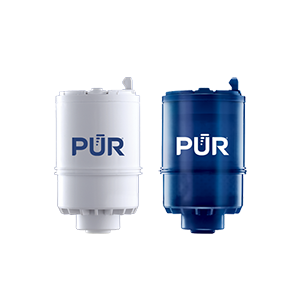
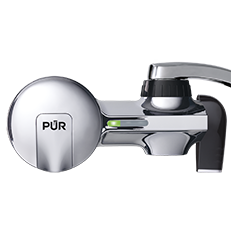
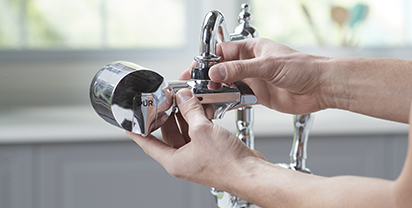
PUR & PUR PLUS FAUCET FILTERS
RF3375/RF9999

View Filters

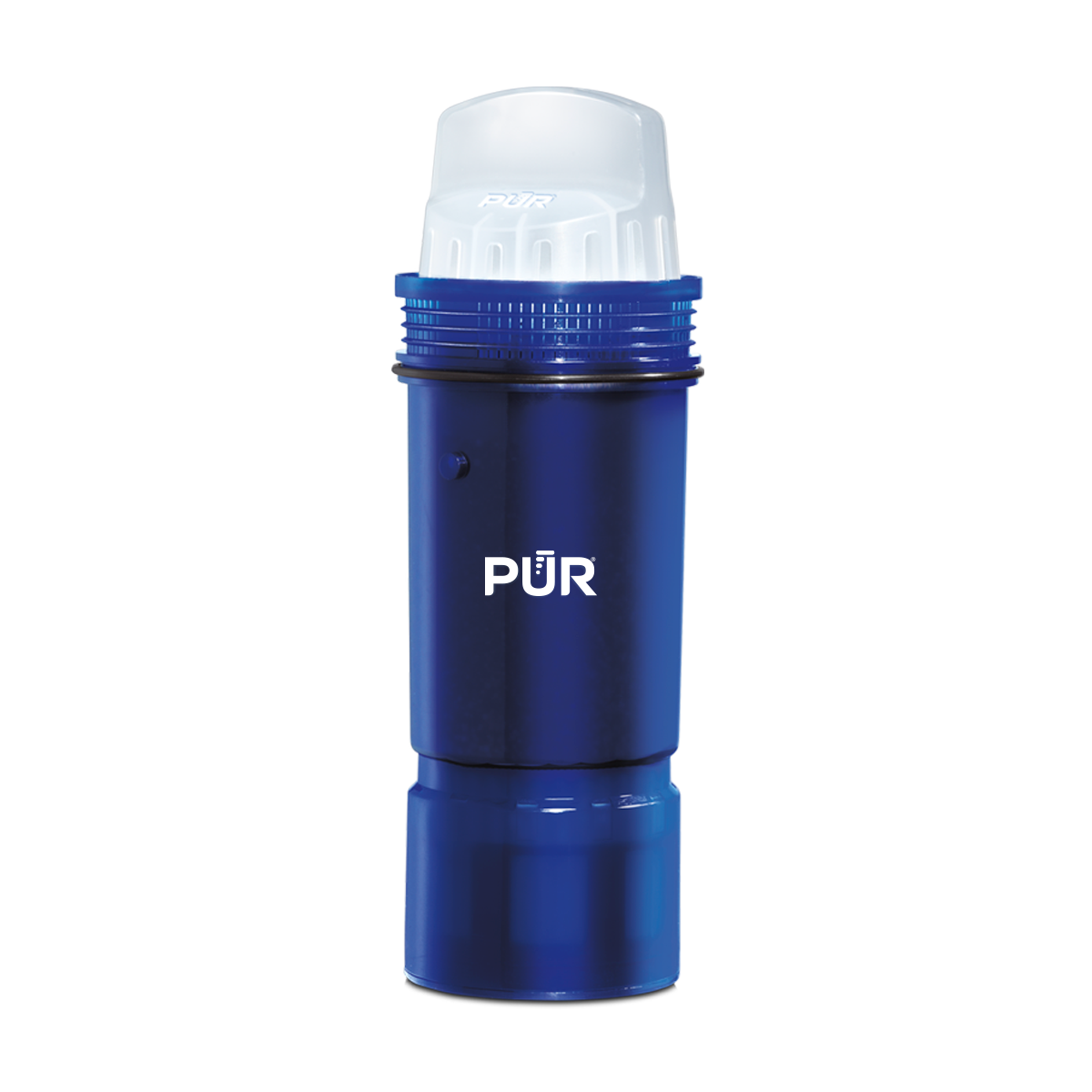
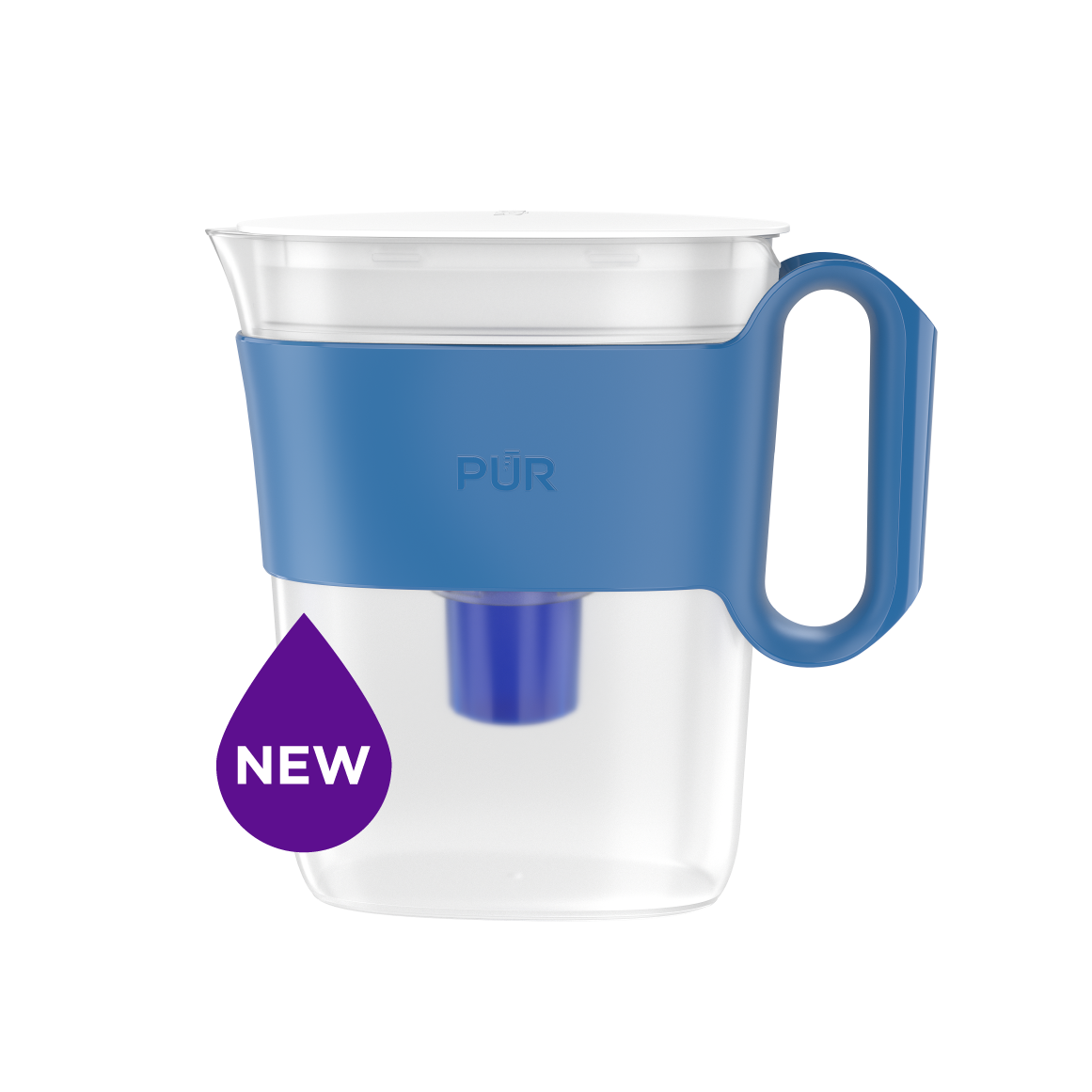
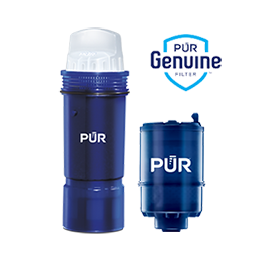
PUR PLUS PITCHER FILTERS
PPF951K

View Filter

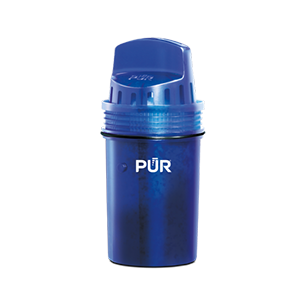
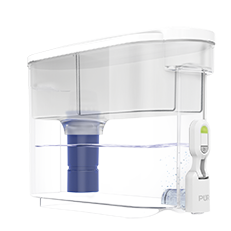
PUR BASIC PITCHER FILTERS
PPF900Z

View Filter


Vs. Brita*

Lead ✓ ✓
Microplastics ✓ ✓
Mercury ✓ ✓ ✓
Chlorine Taste & Odor ✓ ✓ ✓
DEET ✓
TTHM ✓

PUR’s Filtration Systems Are Certified By NSF And WQA For Their Contamination Reduction. WQA certifications as of 5/27/21 for Faucet filter models RF-3375 and RF-9999.

¹ Certified to reduce 10X more chemical and physical substances than Brita’s® leading pitcher filter.
² Certified to reduce 3X more chemical and physical substances than Brita’s® leading pitcher filter.
³ Certified to reduce 2X more chemical and physical substances than Brita’s® leading pitcher filter.
*Versus best-selling Brita® pitcher filter OB03. Brita® is a trademark of Brita LP.
**Like other leading brands, PUR does not filter microbes. As of 3/1/23 Brita® and ZeroWater® were not certified to filter microbes. Brita® is a trademark of Brita LP. ZeroWater® is a trademark of Zero Technologies, LLC..
 

PUR & PUR PLUS FAUCET FILTERS


PUR & PUR PLUS FAUCET FILTERS
RF3375/RF9999

View Filters


Vs. Brita*

Lead ✓
Microplastics ✓
Mercury ✓
Chlorine Taste & Odor ✓
DEET ✓
TTHM ✓

PUR’s Filtration Systems Are Certified By NSF And WQA For Their Contamination Reduction. WQA certifications as of 5/27/21 for Faucet filter models RF-3375 and RF-9999.

¹ Certified to reduce 10X more chemical and physical substances than Brita’s® leading pitcher filter.
² Certified to reduce 3X more chemical and physical substances than Brita’s® leading pitcher filter.
³ Certified to reduce 2X more chemical and physical substances than Brita’s® leading pitcher filter.
*Versus best-selling Brita® pitcher filter OB03. Brita® is a trademark of Brita LP.
**Like other leading brands, PUR does not filter microbes. As of 3/1/23 Brita® and ZeroWater® were not certified to filter microbes. Brita® is a trademark of Brita LP. ZeroWater® is a trademark of Zero Technologies, LLC..
 

PUR PLUS PITCHER FILTERS


PUR PLUS PITCHER FILTERS
PPF951K

View Filter


Vs. Brita*

Lead ✓
Microplastics ✓
Mercury ✓
Chlorine Taste & Odor ✓
DEET
TTHM

PUR’s Filtration Systems Are Certified By NSF And WQA For Their Contamination Reduction. WQA certifications as of 5/27/21 for Faucet filter models RF-3375 and RF-9999.

¹ Certified to reduce 10X more chemical and physical substances than Brita’s® leading pitcher filter.
² Certified to reduce 3X more chemical and physical substances than Brita’s® leading pitcher filter.
³ Certified to reduce 2X more chemical and physical substances than Brita’s® leading pitcher filter.
*Versus best-selling Brita® pitcher filter OB03. Brita® is a trademark of Brita LP.
**Like other leading brands, PUR does not filter microbes. As of 3/1/23 Brita® and ZeroWater® were not certified to filter microbes. Brita® is a trademark of Brita LP. ZeroWater® is a trademark of Zero Technologies, LLC..
 

PUR BASIC PITCHER FILTERS


PUR BASIC PITCHER FILTERS
PPF900Z

View Filter


Vs. Brita*

Lead
Microplastics
Mercury ✓
Chlorine Taste & Odor ✓
DEET
TTHM

PUR’s Filtration Systems Are Certified By NSF And WQA For Their Contamination Reduction. WQA certifications as of 5/27/21 for Faucet filter models RF-3375 and RF-9999.

¹ Certified to reduce 10X more chemical and physical substances than Brita’s® leading pitcher filter.
² Certified to reduce 3X more chemical and physical substances than Brita’s® leading pitcher filter.
³ Certified to reduce 2X more chemical and physical substances than Brita’s® leading pitcher filter.
*Versus best-selling Brita® pitcher filter OB03. Brita® is a trademark of Brita LP.
**Like other leading brands, PUR does not filter microbes. As of 3/1/23 Brita® and ZeroWater® were not certified to filter microbes. Brita® is a trademark of Brita LP. ZeroWater® is a trademark of Zero Technologies, LLC..
 

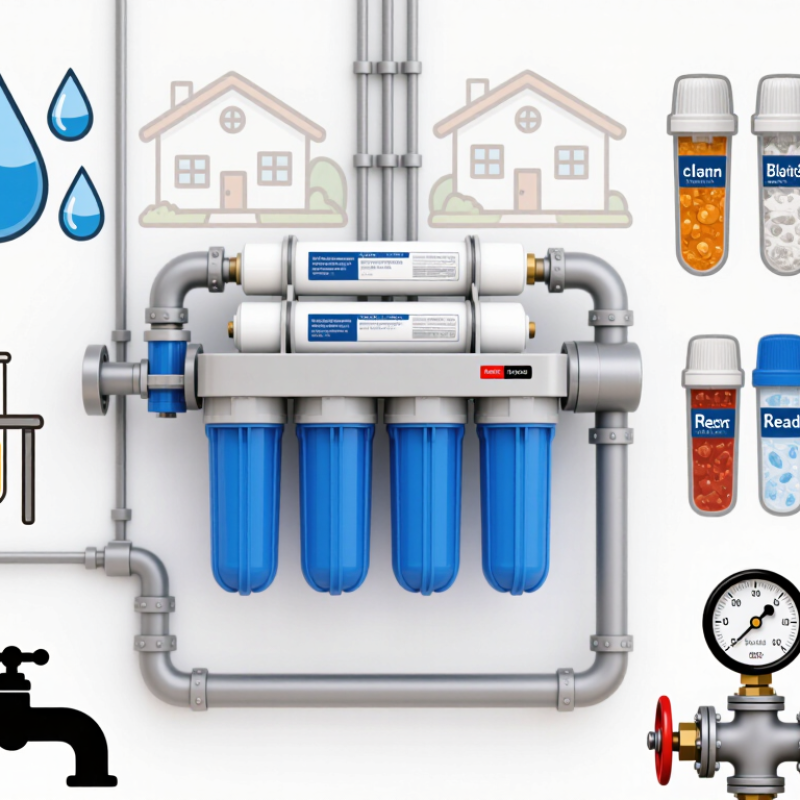
7 Tips for Choosing Whole House Water Filtration

Choosing a whole house water filtration system starts with a simple question: what is actually in your water? A cloudy glass, metallic taste, or orange ring may suggest trouble, but appearances can mislead. Laboratory testing gives a stronger foundation than guesswork. Check municipal reports, private-well results, and recent plumbing changes before comparing products. Water chemistry varies by neighborhood, season, and even building. A filter that removes chlorine may not address lead, sediment, bacteria, or hardness. These are different problems. A perfect filter does not exist. That assumption can fail.

The right choice also depends on daily water demand. Count bathrooms, occupants, showers, appliances, and peak morning use. Then compare rated flow, pressure loss, cartridge life, housing size, and replacement costs. A narrow system may produce clean water slowly, while an oversized model can waste money and maintenance time. Look for transparent performance data and certifications from recognized bodies, such as NSF/ANSI standards, when applicable. Certification does not guarantee universal protection; it confirms specific claims under defined conditions. Installation details matter too. A bypass valve, shutoff points, drain access, and a pressure gauge make ownership safer and easier. Keep a service log. It sounds minor. It prevents forgotten cartridges.

These seven tips will help you assess water quality, system design, installation, and long-term care with clearer judgment. They encourage a practical pause: ask what evidence supports each promise. Manufacturer claims deserve checking against independent testing and local water conditions. Good filtration is not merely a product purchase. It is a maintained household decision, shaped by measurable risks and realistic habits.

7 Tips for Choosing Whole House Water Filtration

Define Your Household’s Water Quality and Filtration Needs

7 Tips for Choosing Whole House Water Filtration

Define Your Household’s Water Quality and Filtration Needs

Begin with evidence, not guesswork. Check your municipal water report, or arrange laboratory testing for private well water. Look for hardness, sediment, chlorine, lead, bacteria, and other locally relevant contaminants. A cloudy glass, metallic taste, or orange sink stain can offer clues, but appearance cannot confirm safety.

Your water source changes the filtration plan. Municipal water may need chlorine and sediment reduction. Well water may require testing for iron, manganese, bacteria, or hydrogen sulfide. Test after flooding, plumbing repairs, or noticeable changes in taste. One test is useful, but it may not reveal seasonal problems.

Match each filter to a verified issue. Carbon can reduce chlorine and some odors. Sediment filters can protect pipes and appliances from grit. Water softeners address hardness, not every contaminant. Reverse osmosis is usually installed at selected taps, rather than treating the entire home. A certified professional can interpret results and confirm suitable treatment standards.

Think about daily demand too. A family of five needs more flow than a single occupant. Check peak use when showers, laundry, and kitchen taps run together. An undersized system may cause weak pressure. It happened in our own planning once. We focused on removal ratings and overlooked maintenance access. Filters need replacement space, clear schedules, and a practical way to monitor pressure changes.

Compare Whole-House Filter Types and Contaminant Removal Methods

Choosing a whole-house water filter starts with identifying the contaminants in your supply. A recent laboratory test is more useful than guessing from taste or smell. Sediment filters trap sand, rust, and visible particles. Activated carbon reduces chlorine, odors, and some organic chemicals. It does not reliably remove dissolved minerals, nitrates, or many microbes. For those concerns, consider reverse osmosis, ultraviolet treatment, or specialized media. Each method has limits.

Tip: Match the filter to the test results, not a broad advertising claim. Check certified performance data and required flow rates. A filter that removes lead may reduce pressure when several showers run together. Reverse osmosis can provide strong contaminant reduction, but it usually creates wastewater and needs extra maintenance. Ultraviolet systems can control microorganisms, yet they require clear water and dependable electricity. These details matter during real household use.

Tip: Compare replacement schedules, installation space, and maintenance skills before buying. In my experience, neglected filters become a hidden problem. A clogged cartridge may lower pressure, while exhausted carbon can stop protecting water quality. I would also inspect the housing, shutoff valves, and bypass line. That step is easy to overlook. Local water reports can guide decisions, but private wells need separate testing. No single system removes everything, and choosing the most expensive option can still be the wrong choice.

Check System Capacity, Flow Rate, and Plumbing Compatibility

7 Tips for Choosing Whole House Water Filtration

Check System Capacity, Flow Rate, and Plumbing Compatibility

A whole-house filter must match your household’s actual water demand. Estimate peak flow from showers, toilets, washing machines, and outdoor taps. A system rated for low flow may reduce pressure when several fixtures operate together. That problem often appears after installation, not during a showroom demonstration. Check the manufacturer’s capacity rating, expected service life, and pressure-drop data before buying.

Flow rate is only one part of the decision. Examine the inlet and outlet sizes, pipe material, connection type, and available installation space. A filter with narrow fittings can restrict water, even when its advertised capacity looks impressive. Ask a qualified plumber to inspect pipe condition and household pressure. They can also confirm whether the housing needs a bypass valve, shutoff valves, or a drain connection.

Water quality testing makes the choice more reliable. Sediment, hardness, chlorine, iron, and microbial concerns require different treatment methods. Do not assume one cartridge handles everything well. I once underestimated how quickly heavy sediment could clog a filter, despite choosing a large housing. That mistake changed my maintenance schedule. Leave room for cartridge replacement, keep the unit accessible, and record pressure readings before installation. Local plumbing requirements may also affect materials, backflow protection, and placement. Small compatibility details matter.

7 Tips for Choosing Whole House Water Filtration - Check System Capacity, Flow Rate, and Plumbing Compatibility

Tip Selection Dimension Practical Data or Check Why It Matters Recommended Action
1 Test the Incoming Water Check hardness, iron, manganese, sediment, chlorine, pH, and microbiological quality before selecting treatment media. Different contaminants require different treatment methods. A standard sediment or carbon filter cannot remove every water-quality issue. Use a recent laboratory water report or a certified test. Select the system based on measured contaminants rather than assumptions.
2 Match System Capacity Capacity may be listed as treated gallons, contaminant-loading capacity, or service life. Sediment cartridges commonly require replacement when pressure loss rises or the rated interval is reached. An undersized filter may become saturated quickly, reducing performance and increasing maintenance frequency. Estimate household demand and contaminant load, then choose a unit with reserve capacity instead of sizing exactly to average use.
3 Verify Flow Rate Typical simultaneous household demand can range from approximately 8 to 20 gallons per minute, depending on the home and fixtures. Compare this with the filter's service flow rate. A filter that cannot maintain the required flow may cause weak showers, slow faucets, or poor appliance performance. Add the expected flow of fixtures that may operate at the same time and select a system whose rated service flow meets or exceeds that demand.
4 Check Pressure Drop Every filter adds resistance. Compare pressure-drop data at the intended flow rate; a clean filter should have less pressure loss than a loaded filter. Excessive pressure loss can reduce water pressure throughout the house, especially where incoming pressure is already low. Measure static and working water pressure, and leave sufficient pressure margin for normal household use.
5 Confirm Plumbing Compatibility Residential whole-house connections are often 3/4-inch or 1-inch, but actual pipe size, connection type, shutoff valves, and available installation space vary. Mismatched fittings or restricted piping can cause leaks, difficult installation, and unnecessary flow limitations. Measure the existing pipe and inspect connection type, bypass requirements, drain access, and clearance for cartridge or media replacement.
6 Evaluate Maintenance Needs Maintenance may include cartridge replacement, media replacement, backwashing, filter sanitization, or periodic inspection. Replacement intervals depend on water quality and usage. Neglected filters can become clogged, reduce flow, or lose treatment effectiveness. Choose a design that fits the household's maintenance schedule and make sure replacement parts are readily available.
7 Review Certification and Installation Requirements Look for independent performance testing relevant to the claimed contaminant reduction. Confirm whether installation requires drainage, electricity, a pressure-relief device, or a licensed professional. Certification helps verify that performance claims were evaluated under defined test conditions, while installation requirements affect cost and feasibility. Read the performance data sheet, installation instructions, operating limits, and local plumbing requirements before purchasing.

Note: Flow rates, capacity, service life, and pressure-drop values vary by filter media, contaminant level, water temperature, plumbing configuration, and household demand. Always use the manufacturer's published performance data and a current water-quality test when sizing a system.

Evaluate Installation Requirements, Maintenance, and Replacement Costs

Whole-house water filtration begins with the installation details, not the product photograph. Measure the main pipe diameter and available water pressure. A filter that is too small may reduce shower flow noticeably. Check whether the system needs a drain, electrical outlet, or wall support. Some homes also require a bypass valve for emergencies and filter servicing. Local plumbing rules may require a licensed professional, especially near the main supply line.

Maintenance costs deserve careful attention. Ask how often cartridges, membranes, or other media need replacement. A busy household may replace filters sooner than the suggested schedule. Keep a written log of installation dates and pressure changes. Cloudy water, strange odors, or weaker flow can signal a problem, but they do not identify the cause. Test the water through a qualified laboratory when quality concerns are serious.

Replacement expenses can exceed the original purchase price over several years. Compare cartridge prices, disposal needs, service labor, and shipping charges. Some media require periodic backwashing, which can increase water use. Others need professional cleaning. A cheap system may become expensive. That part is easy to miss. Leave enough clearance to remove the housing without spilling water across the floor. I would also budget for an unexpected valve repair, because installation plans are rarely perfect.

Choose Certified Equipment from a Reliable Filtration Provider

Choosing whole-house water filtration requires more than comparing flow rates and price tags. Start with a recent water test from an accredited laboratory. It identifies sediment, hardness, chlorine, metals, or other concerns before equipment is selected. A filter should solve a measured problem, not an imagined one.

Choose certified equipment that has been tested against relevant NSF/ANSI standards. Check the exact model, not only the manufacturer’s general claims. Ask for proof. Certification does not mean every system suits every home. Confirm rated capacity, pressure loss, flow demand, replacement intervals, and materials approved for drinking water. Measure twice.

A reliable filtration provider should explain these details without pressure. Look for trained installers, clear maintenance instructions, written warranty terms, and accessible replacement parts. Ask whether the provider will inspect pipe size, drain access, and installation space. A neat-looking system can still perform poorly if fitted incorrectly. The best advice may include saying no to an unnecessary treatment stage. That honesty matters.

Request service records from previous projects when possible, while protecting customer privacy. Ask how performance is verified after installation. A follow-up water test is useful, although it may not reveal every issue. I have seen homeowners focus on polished equipment while ignoring cartridge costs and maintenance time. That is an easy mistake. Keep a simple replacement log, watch pressure changes, and question unexplained promises. Reliable guidance should remain understandable after the sales visit ends.

7 Tips for Choosing Whole House Water Filtration: Certification Standards to Check

Certification standards should match the treatment goal. NSF/ANSI 42 covers aesthetic effects such as chlorine and taste, 53 covers specific health-effect claims, 55 covers ultraviolet systems, 58 covers reverse osmosis systems, 401 covers selected emerging contaminants, 44 covers residential water softeners, and 61 addresses health effects of materials in drinking-water system components. Always verify the exact contaminant-reduction claim and model certification before purchasing.

Reference: NSF/ANSI standards and U.S. Environmental Protection Agency guidance on drinking-water treatment selection.