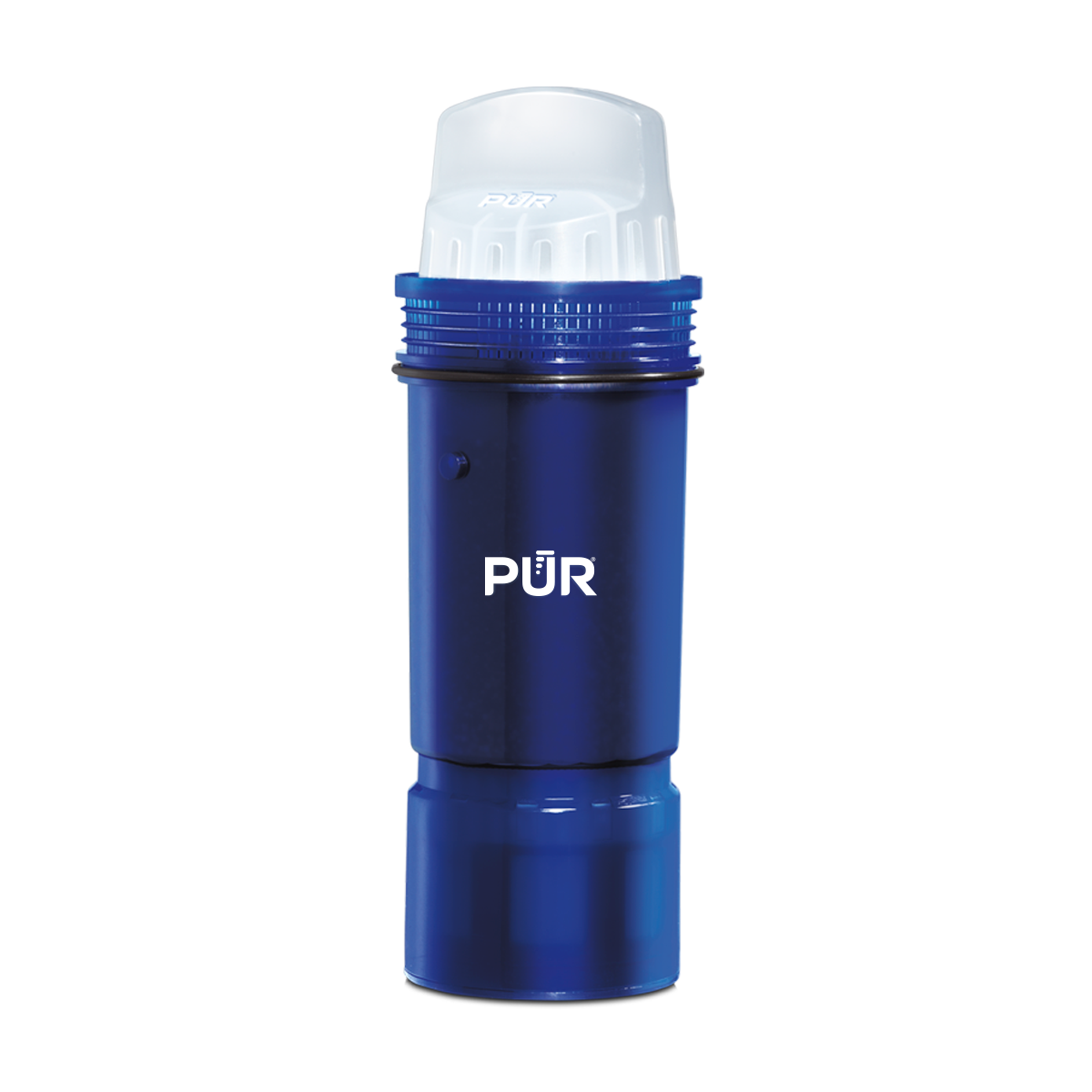
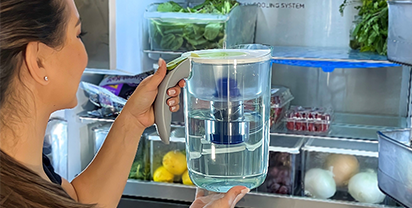
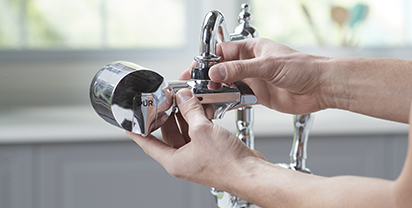
Contaminant Comparison Chart

For a complete list of contaminants that PUR filters reduce, please view our Performance Data Sheets here.


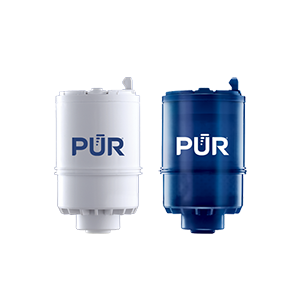
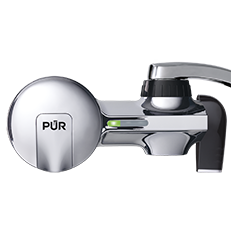
PUR & PUR PLUS FAUCET FILTERS
RF3375/RF9999

View Filters

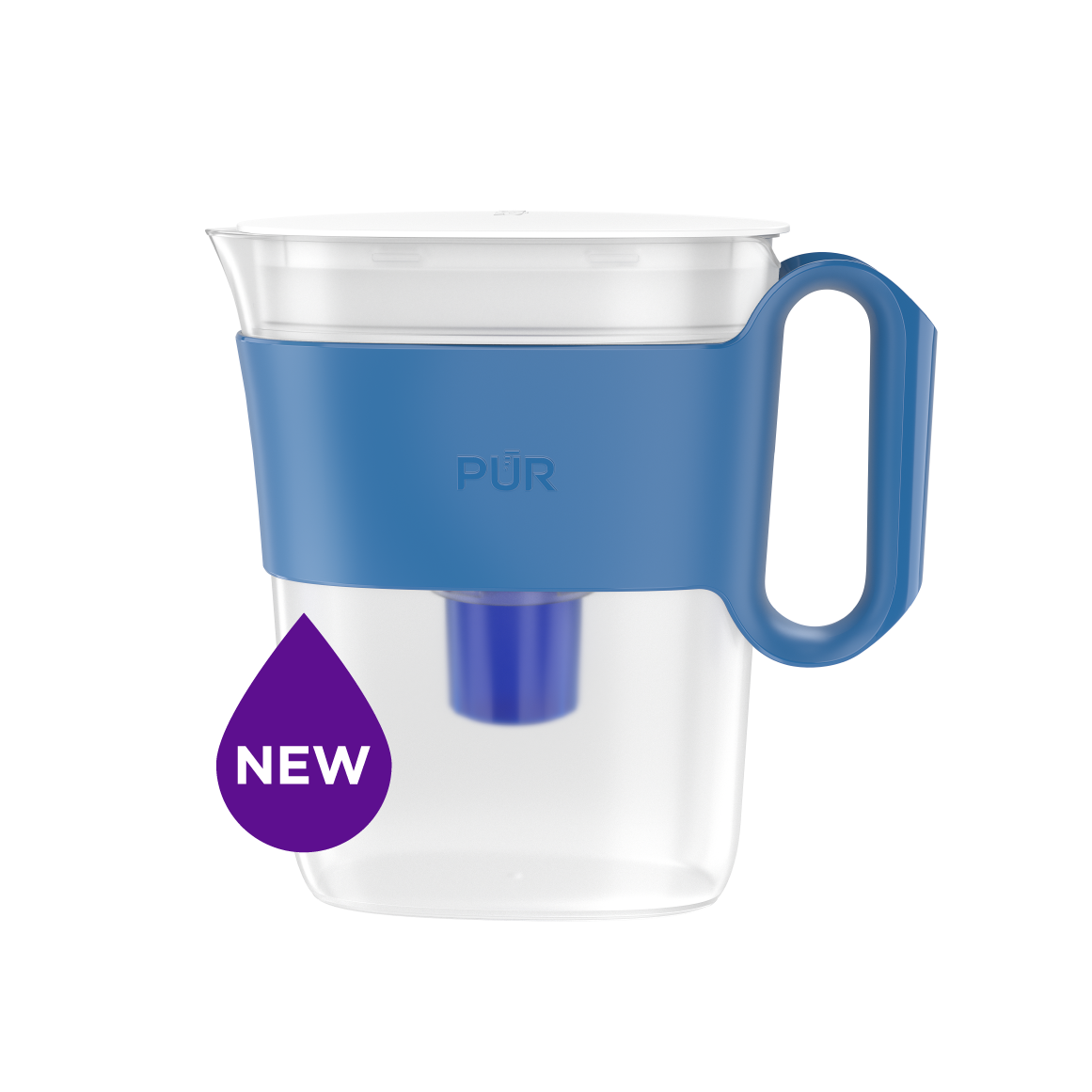
PUR PLUS PITCHER FILTERS
PPF951K

View Filter

PUR BASIC PITCHER FILTERS
PPF900Z

View Filter


Vs. Brita*

Lead ✓ ✓
Microplastics ✓ ✓
Mercury ✓ ✓ ✓
Chlorine Taste & Odor ✓ ✓ ✓
DEET ✓
TTHM ✓

PUR’s Filtration Systems Are Certified By NSF And WQA For Their Contamination Reduction. WQA certifications as of 5/27/21 for Faucet filter models RF-3375 and RF-9999.

¹ Certified to reduce 10X more chemical and physical substances than Brita’s® leading pitcher filter.
² Certified to reduce 3X more chemical and physical substances than Brita’s® leading pitcher filter.
³ Certified to reduce 2X more chemical and physical substances than Brita’s® leading pitcher filter.
*Versus best-selling Brita® pitcher filter OB03. Brita® is a trademark of Brita LP.
**Like other leading brands, PUR does not filter microbes. As of 3/1/23 Brita® and ZeroWater® were not certified to filter microbes. Brita® is a trademark of Brita LP. ZeroWater® is a trademark of Zero Technologies, LLC..
 

PUR & PUR PLUS FAUCET FILTERS


PUR & PUR PLUS FAUCET FILTERS
RF3375/RF9999

View Filters


Vs. Brita*

Lead ✓
Microplastics ✓
Mercury ✓
Chlorine Taste & Odor ✓
DEET ✓
TTHM ✓

PUR’s Filtration Systems Are Certified By NSF And WQA For Their Contamination Reduction. WQA certifications as of 5/27/21 for Faucet filter models RF-3375 and RF-9999.

¹ Certified to reduce 10X more chemical and physical substances than Brita’s® leading pitcher filter.
² Certified to reduce 3X more chemical and physical substances than Brita’s® leading pitcher filter.
³ Certified to reduce 2X more chemical and physical substances than Brita’s® leading pitcher filter.
*Versus best-selling Brita® pitcher filter OB03. Brita® is a trademark of Brita LP.
**Like other leading brands, PUR does not filter microbes. As of 3/1/23 Brita® and ZeroWater® were not certified to filter microbes. Brita® is a trademark of Brita LP. ZeroWater® is a trademark of Zero Technologies, LLC..
 

PUR PLUS PITCHER FILTERS


PUR PLUS PITCHER FILTERS
PPF951K

View Filter


Vs. Brita*

Lead ✓
Microplastics ✓
Mercury ✓
Chlorine Taste & Odor ✓
DEET
TTHM

PUR’s Filtration Systems Are Certified By NSF And WQA For Their Contamination Reduction. WQA certifications as of 5/27/21 for Faucet filter models RF-3375 and RF-9999.

¹ Certified to reduce 10X more chemical and physical substances than Brita’s® leading pitcher filter.
² Certified to reduce 3X more chemical and physical substances than Brita’s® leading pitcher filter.
³ Certified to reduce 2X more chemical and physical substances than Brita’s® leading pitcher filter.
*Versus best-selling Brita® pitcher filter OB03. Brita® is a trademark of Brita LP.
**Like other leading brands, PUR does not filter microbes. As of 3/1/23 Brita® and ZeroWater® were not certified to filter microbes. Brita® is a trademark of Brita LP. ZeroWater® is a trademark of Zero Technologies, LLC..
 

PUR BASIC PITCHER FILTERS


PUR BASIC PITCHER FILTERS
PPF900Z

View Filter


Vs. Brita*

Lead
Microplastics
Mercury ✓
Chlorine Taste & Odor ✓
DEET
TTHM

PUR’s Filtration Systems Are Certified By NSF And WQA For Their Contamination Reduction. WQA certifications as of 5/27/21 for Faucet filter models RF-3375 and RF-9999.

¹ Certified to reduce 10X more chemical and physical substances than Brita’s® leading pitcher filter.
² Certified to reduce 3X more chemical and physical substances than Brita’s® leading pitcher filter.
³ Certified to reduce 2X more chemical and physical substances than Brita’s® leading pitcher filter.
*Versus best-selling Brita® pitcher filter OB03. Brita® is a trademark of Brita LP.
**Like other leading brands, PUR does not filter microbes. As of 3/1/23 Brita® and ZeroWater® were not certified to filter microbes. Brita® is a trademark of Brita LP. ZeroWater® is a trademark of Zero Technologies, LLC..
 

2026 How to Choose a Drinking Water Filtration System

Choosing a drinking water filtration system in 2026 starts with a simple question: what is actually in your water? A cloudy glass, chlorine smell, or mineral scale can offer clues, but appearance and taste cannot identify every contaminant. Check your local water quality report, or consider a properly collected water test if you use a private well. Small details matter. A report may list substances you never noticed.

Match the filter to the concern. Some models reduce chlorine taste, while others are certified to reduce specific contaminants, such as lead or certain chemicals. Check the certification for the exact model and claim; a broad label does not mean a filter removes everything. A certified product still needs correct installation and timely cartridge changes. This is easy to overlook.

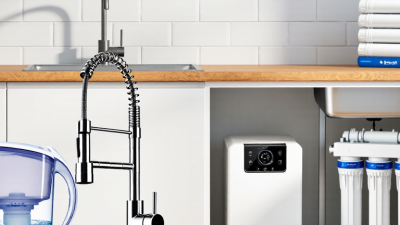
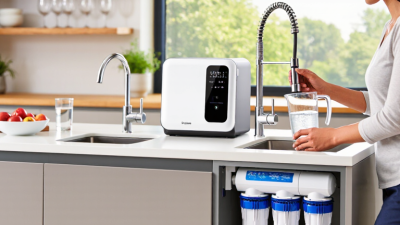
Your kitchen matters, too. A faucet-mounted unit may suit a rental, while an under-sink system needs cabinet space and may require installation. Compare flow rate, replacement-filter availability, maintenance instructions, and the total cost over several years. A low purchase price can be misleading. So can an impressive feature list.

This guide will help you weigh those practical factors before choosing. It cannot identify your water’s risks without reliable test results, and no single system is right for every home. That is worth remembering. The best choice is usually the one that addresses a verified need and that you can maintain consistently—even if it is less flashy than expected.

2026 How to Choose a Drinking Water Filtration System

Understanding the Main Types of Drinking Water Filtration Systems

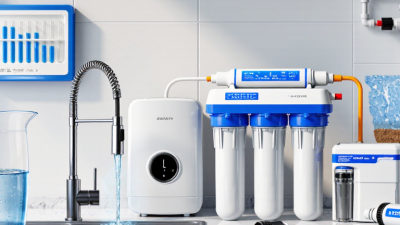
Drinking water systems use different methods, and each addresses a different set of concerns. Sediment filters trap visible particles such as rust or sand. Carbon filters can improve chlorine taste and odor, and some certified models reduce specific chemicals. Check the filter’s performance claims carefully. “Carbon filter” alone does not tell you what it removes.

Reverse osmosis pushes water through a fine membrane, reducing many dissolved substances, though results depend on the system and its maintenance. It also sends some water to drain. Distillation boils water and collects condensed vapor; it can reduce many contaminants, but some volatile compounds may carry over. Ultraviolet treatment inactivates many microbes, but it does not remove chemicals or particles. Clear water matters.

Ion-exchange systems are often used to soften hard water. Specialized resins may target particular contaminants, but ordinary softeners are not general-purpose purifiers. A recent water-quality report can help narrow the choices. Private wells may need different testing than treated municipal water. Filters also need timely replacement. It is easy to forget that part. A neglected cartridge may slow flow, and its performance can decline before the water looks or tastes different.

Assessing Your Water Quality and Household Needs

Before comparing filters, find out what is actually in your water. Check the latest report from your local water provider, if one is available. It can show detected contaminants and testing dates, but it may not describe water after it passes through your home’s pipes. That matters. Older plumbing, a private well, or a change in taste can call for testing at the tap. Use a qualified laboratory and ask which tests fit your location and water source. One awkward truth: a broad test can cost more and still miss a specific concern if you choose the wrong panel.

Notice what you see, smell, and taste, but don’t use those clues to judge safety. Clear water can contain contaminants you cannot detect, and a metallic taste does not identify its cause. Start with evidence. Then match the filter’s stated reduction claims to your test results. Check that claims are independently certified for the contaminants you need addressed; “improves water quality” is too vague to guide a decision.

Your household matters, too. Count daily users, note whether you need filtered water at one sink or throughout the home, and measure the available space. A small under-sink unit may feel convenient, but its flow rate can frustrate a busy family. Consider replacement schedules, filter costs, and whether you will actually maintain the system. I might overlook that last part; neglected filters can perform poorly. Keep a record of test results and installation dates.

Comparing Filtration Methods, Capacity, and Operating Costs

2026 How to Choose a Drinking Water Filtration System
Comparing Filtration Methods, Capacity, and Operating Costs

Choosing a filter starts with the water, not the appliance. Check a recent water report or test well water before comparing systems. Activated carbon can improve taste and reduce some substances, such as chlorine, when the filter is certified for that purpose. It does not remove everything. Small details matter.

Reverse osmosis can reduce dissolved salts and certain contaminants, but it may produce wastewater and usually needs periodic membrane and cartridge changes. Ultraviolet treatment can inactivate many microorganisms, yet it does not remove sediment or chemicals. Some homes need more than one method. Check the rated flow rate as well as capacity: a small under-sink unit may fill a glass quickly but struggle with several people cooking and drinking at once.

Operating costs include replacement filters, installation, and, for some systems, electricity or water discharged during treatment. Compare annual costs, not just the purchase price. A cartridge rated for thousands of gallons may last less time when incoming water has heavy sediment. Rated capacity is easy to overtrust. Keep a simple replacement log, and notice changes in flow or taste; neither is a precise safety test, but both can signal that maintenance is due.

Checking Certifications, Installation Requirements, and Maintenance

Before buying a drinking water filtration system, match the certification to the contaminant you want reduced. NSF/ANSI 42 covers aesthetic effects such as taste and odor; NSF/ANSI 53 addresses specified health effects. Reverse-osmosis systems may be tested under NSF/ANSI 58. A certification does not mean a filter removes every contaminant, so check the exact reduction claims in the certifier’s listing. Small print matters.

The USGS’s 2023 nationwide study tested tap water from 716 locations and estimated that at least one PFAS was present in about 45% of U.S. tap water. That estimate is not a prediction for every home. It does show why a local water-quality report and a contaminant-specific test can guide selection better than broad marketing language. If your concern is lead, PFAS, or another named substance, confirm that the system is certified to reduce that substance.

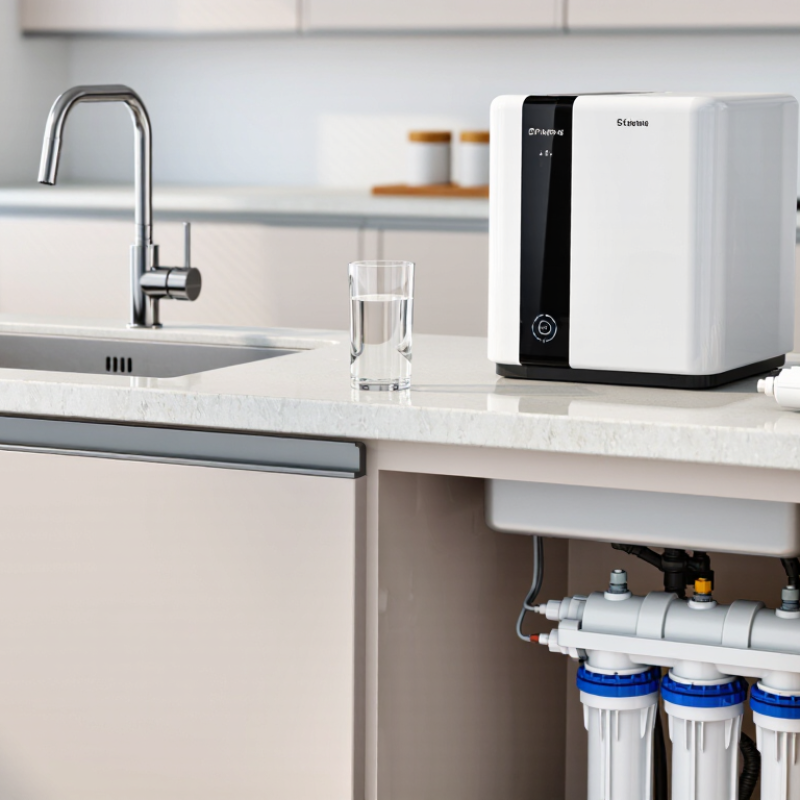
Installation can be less simple than the product photo suggests. Check cabinet clearance, cold-water access, drain connections, and required water pressure before ordering. Under-sink systems may need a separate faucet; whole-house units need space near the main line. Maintenance is part of performance: follow the stated cartridge schedule, record replacement dates, and watch for slower flow or unusual taste. A filter can look fine and still be overdue. That’s easy to miss. The CDC also advises checking that a filter is designed to address the specific germs or chemicals of concern.

2026 How to Choose a Drinking Water Filtration System - Checking Certifications, Installation Requirements, and Maintenance
System Type Typical Filtration Purpose Certification to Check Installation Requirements Routine Maintenance Best Fit and Key Consideration
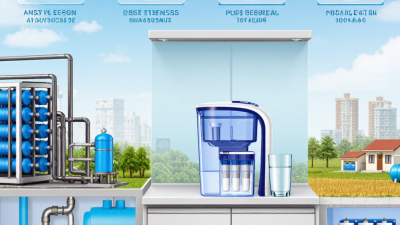
Pitcher or countertop gravity filter May reduce chlorine taste and odor; some models are tested for specified contaminants such as lead or certain organic compounds. Check for NSF/ANSI 42 for aesthetic effects and, where relevant, NSF/ANSI 53 for specific health-related contaminant reduction claims. Verify the exact claim for the model. Usually requires no plumbing work. Fill manually and allow time for water to pass through the cartridge. Replace cartridges according to the manufacturer’s rated capacity or schedule. Clean the reservoir as directed. Suitable for low-volume use and renters. Filter performance varies considerably; certification for one contaminant does not establish reduction of others.
Faucet-mounted filter Often intended to improve taste and odor; some certified models reduce specified contaminants. Look for NSF/ANSI 42 and any applicable NSF/ANSI 53 claims. Confirm that the faucet and cartridge combination is covered. Attaches to a compatible faucet. Some pull-out, spray, or unusually shaped faucets may not fit. Replace the cartridge at its stated capacity or interval. Check the diverter and connections for leaks. Provides filtered water at one sink with relatively simple installation. Confirm faucet compatibility before purchase.
Under-sink carbon filter Can reduce chlorine taste and odor and may reduce other listed substances, depending on the tested cartridge. Check NSF/ANSI 42 and NSF/ANSI 53 for the specific reduction claims sought. NSF/ANSI 401 may apply to certain specified emerging compounds. Typically mounts inside a cabinet and connects to the cold-water line; some systems use a dedicated faucet and may require drilling a sink or countertop. Replace cartridges on the stated schedule or capacity. Sanitize the system when instructed and inspect tubing and fittings. Useful when filtered water is needed at a kitchen sink without treating the entire home. Allow cabinet space and check water pressure requirements.
Reverse osmosis system Can reduce dissolved substances, with performance depending on the membrane and certified contaminant claims. Check NSF/ANSI 58 for reverse-osmosis system performance and the particular reduction claims. Review any separate claims for individual contaminants. Usually installs under a sink and connects to a cold-water line, drain, and storage tank or dispensing faucet. Some setups require a drilled opening. Replace prefilters and postfilters as directed; membrane replacement intervals vary. Sanitize the system and check the storage tank and connections according to instructions. Consider when reduction of specified dissolved contaminants is needed. It produces reject water and needs adequate pressure, space, and a suitable drain connection.
Whole-house sediment or carbon system Sediment units capture suspended particles; carbon units may reduce chlorine taste and odor or other specifically listed substances. Check the standard and certified claims for the exact treatment stage. NSF/ANSI 42 may apply to aesthetic effects; do not assume a whole-house unit reduces a health-related contaminant unless that claim is verified. Installed on the main water line, generally by a qualified installer. Requires adequate flow capacity, space, and accessible shutoff valves. Replace cartridges or media as directed; monitor pressure drop and inspect the housing and plumbing for leaks. Can treat water throughout a building, but may not be the right choice for drinking-water-specific concerns without a matching certified claim.
Ultraviolet disinfection unit Uses ultraviolet light to inactivate microorganisms when the system is properly sized and operated; it does not remove sediment, dissolved chemicals, or metals. Check for NSF/ANSI 55 certification and the applicable class and performance information. Follow the system’s water-quality and flow requirements. Installed in the water line, usually after prefiltration. Requires electricity and suitable water clarity and flow conditions. Replace the UV lamp at the specified interval, clean the quartz sleeve as instructed, and maintain any required prefilters. Consider for microbiological treatment where appropriate. UV treatment does not remove chemical contaminants and depends on power and correct operation.
Selection check: Identify the contaminant of concern using a reliable water test or local water-quality report, then match it to a certified reduction claim for the exact system model. Certification is contaminant-specific; a standard number alone does not mean a system reduces every contaminant. Follow the manufacturer’s installation and replacement instructions.

Selecting a System and Planning for Long-Term Use

2026 How to Choose a Drinking Water Filtration System

Selecting a system is only part of the decision; keeping it effective takes planning. Start with a recent water-quality report or a suitable laboratory test. Identify the specific concern, such as lead, chlorine taste, or sediment. No single filter removes every contaminant. Match the system’s independently verified performance claims to your needs, and check the exact model—not just the filter type. Consider where it will fit, how much water your household uses, and whether installation requires a plumber. A system that is awkward to maintain can become an expensive decoration.

Tips: Before buying, write down the replacement cartridge’s cost, rated capacity, and expected change interval. Set a calendar reminder, and keep the instructions near the unit. Follow the manufacturer’s maintenance schedule; waiting for a change in taste is not a reliable way to judge performance. Plan for interruptions. Keep drinking water accessible while parts are being replaced, especially if the system serves a busy kitchen.

Long-term costs include more than cartridges. Account for water use, compatible replacement parts, and any service visits. Check whether cartridges are easy to find, and confirm that the system’s capacity suits your daily demand. It is easy to overbuy here. A larger unit is not automatically better if its upkeep is confusing or its certified claims do not address your water. Recheck your water information when your source or household circumstances change, and adjust the plan if needed.

2026 How to Choose a Drinking Water Filtration System — Selecting a System and Planning for Long-Term Use

Typical replacement intervals for common filtration components, shown in months.

Intervals are general planning ranges, not guarantees. Actual replacement timing depends on the specific system, water quality, and usage. Check the product manual and use water testing to help choose a filtration method suited to your needs.