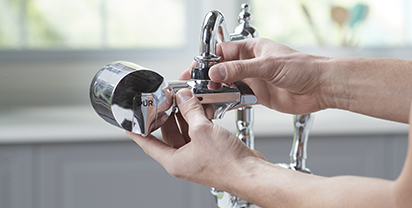
Contaminant Comparison Chart

For a complete list of contaminants that PUR filters reduce, please view our Performance Data Sheets here.


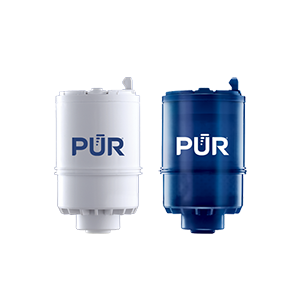
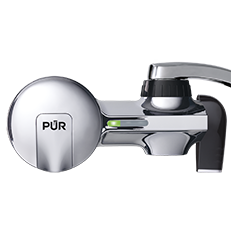
PUR & PUR PLUS FAUCET FILTERS
RF3375/RF9999

View Filters

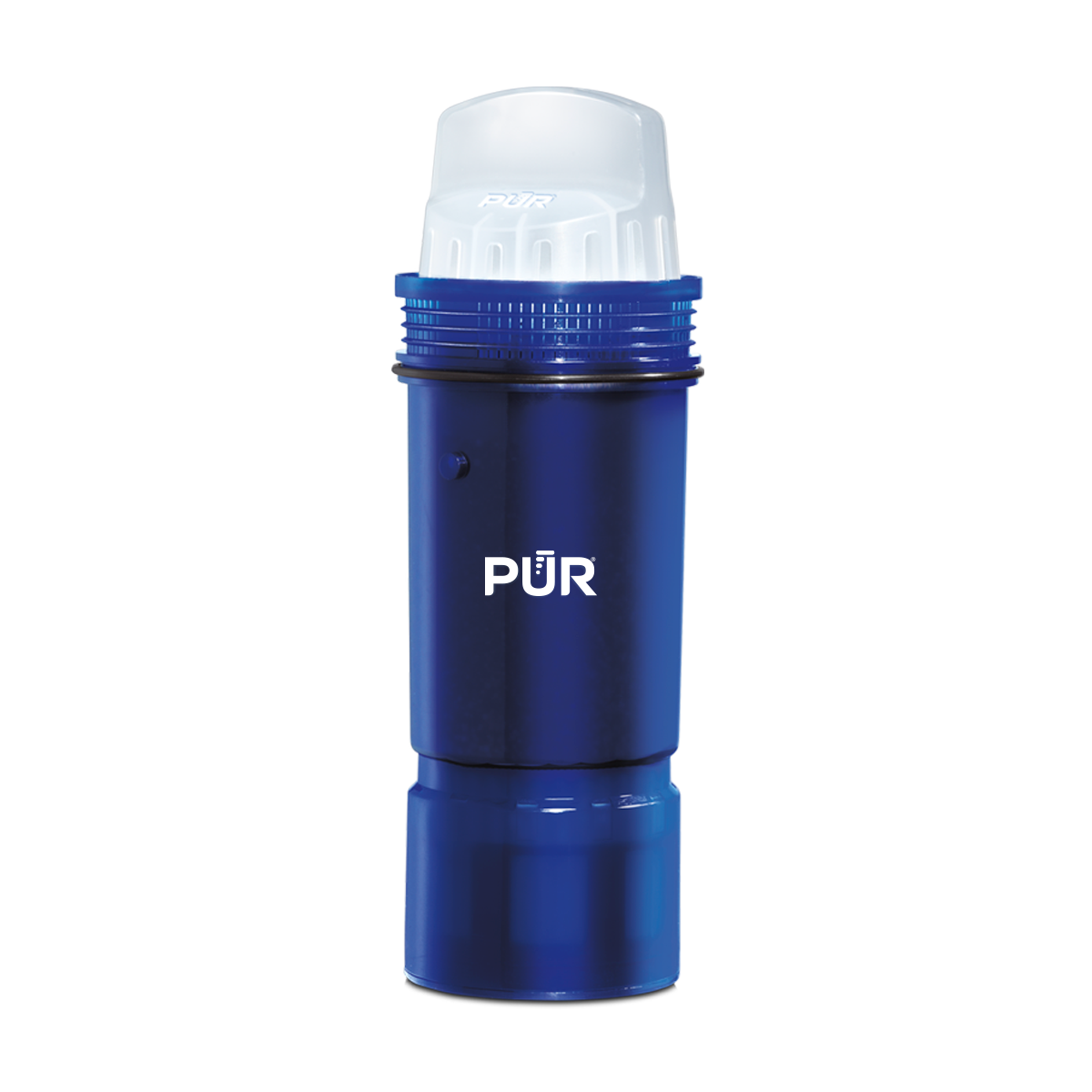
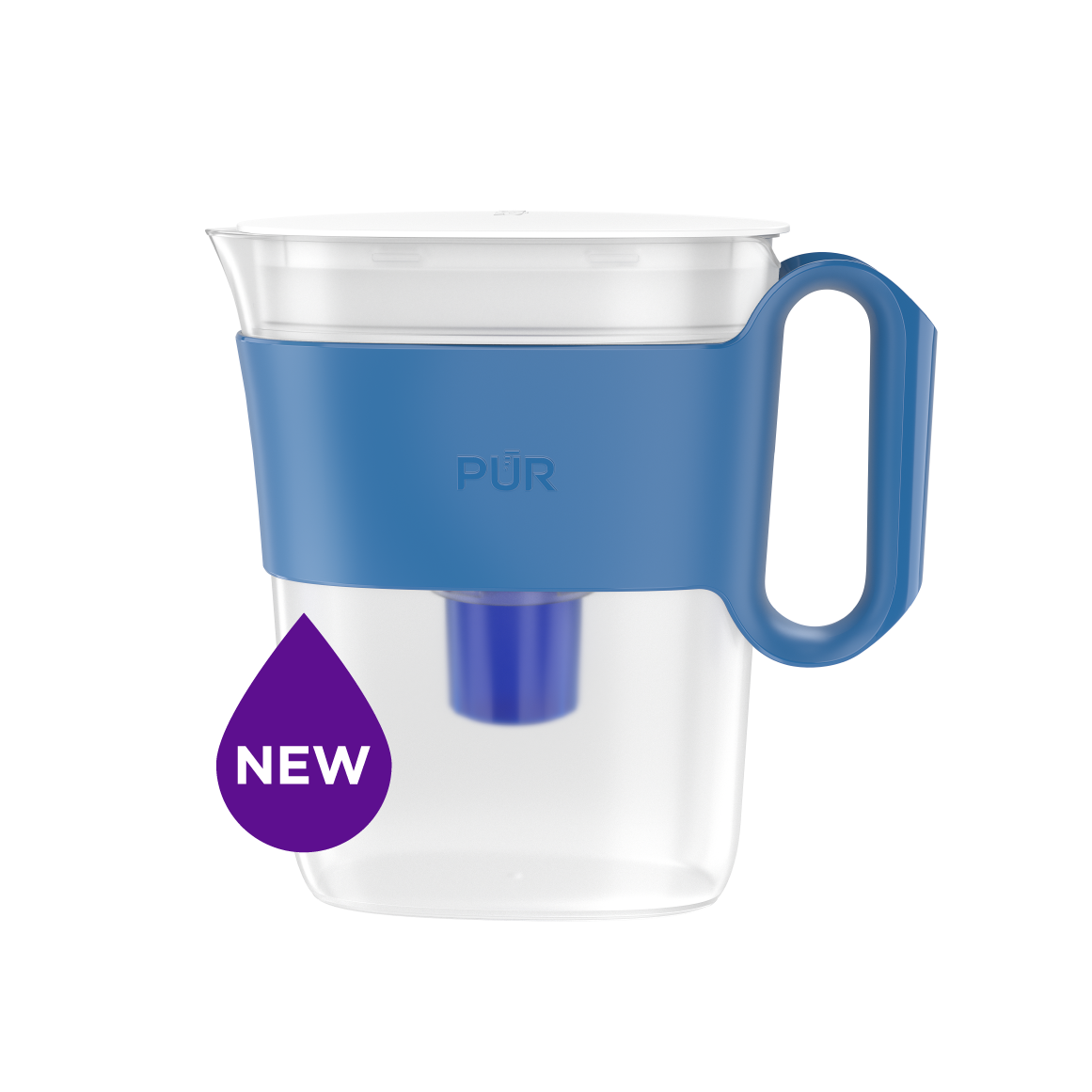
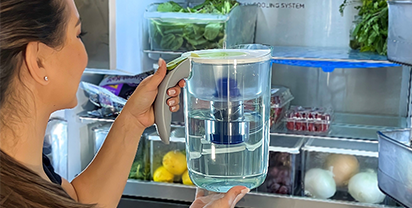
PUR PLUS PITCHER FILTERS
PPF951K

View Filter

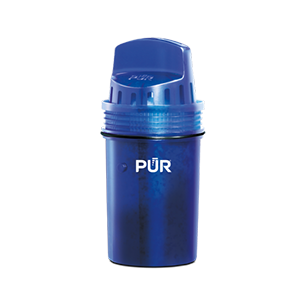
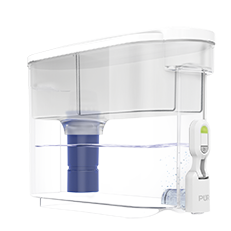
PUR BASIC PITCHER FILTERS
PPF900Z

View Filter


Vs. Brita*

Lead
Microplastics
Mercury
Chlorine Taste & Odor
DEET
TTHM

PUR’s Filtration Systems Are Certified By NSF And WQA For Their Contamination Reduction. WQA certifications as of 5/27/21 for Faucet filter models RF-3375 and RF-9999.

¹ Certified to reduce 10X more chemical and physical substances than Brita’s® leading pitcher filter.
² Certified to reduce 3X more chemical and physical substances than Brita’s® leading pitcher filter.
³ Certified to reduce 2X more chemical and physical substances than Brita’s® leading pitcher filter.
*Versus best-selling Brita® pitcher filter OB03. Brita® is a trademark of Brita LP.
**Like other leading brands, PUR does not filter microbes. As of 3/1/23 Brita® and ZeroWater® were not certified to filter microbes. Brita® is a trademark of Brita LP. ZeroWater® is a trademark of Zero Technologies, LLC..
 

PUR & PUR PLUS FAUCET FILTERS


PUR & PUR PLUS FAUCET FILTERS
RF3375/RF9999

View Filters


Vs. Brita*

Lead
Microplastics
Mercury
Chlorine Taste & Odor
DEET
TTHM

PUR’s Filtration Systems Are Certified By NSF And WQA For Their Contamination Reduction. WQA certifications as of 5/27/21 for Faucet filter models RF-3375 and RF-9999.

¹ Certified to reduce 10X more chemical and physical substances than Brita’s® leading pitcher filter.
² Certified to reduce 3X more chemical and physical substances than Brita’s® leading pitcher filter.
³ Certified to reduce 2X more chemical and physical substances than Brita’s® leading pitcher filter.
*Versus best-selling Brita® pitcher filter OB03. Brita® is a trademark of Brita LP.
**Like other leading brands, PUR does not filter microbes. As of 3/1/23 Brita® and ZeroWater® were not certified to filter microbes. Brita® is a trademark of Brita LP. ZeroWater® is a trademark of Zero Technologies, LLC..
 

PUR PLUS PITCHER FILTERS


PUR PLUS PITCHER FILTERS
PPF951K

View Filter


Vs. Brita*

Lead
Microplastics
Mercury
Chlorine Taste & Odor
DEET
TTHM

PUR’s Filtration Systems Are Certified By NSF And WQA For Their Contamination Reduction. WQA certifications as of 5/27/21 for Faucet filter models RF-3375 and RF-9999.

¹ Certified to reduce 10X more chemical and physical substances than Brita’s® leading pitcher filter.
² Certified to reduce 3X more chemical and physical substances than Brita’s® leading pitcher filter.
³ Certified to reduce 2X more chemical and physical substances than Brita’s® leading pitcher filter.
*Versus best-selling Brita® pitcher filter OB03. Brita® is a trademark of Brita LP.
**Like other leading brands, PUR does not filter microbes. As of 3/1/23 Brita® and ZeroWater® were not certified to filter microbes. Brita® is a trademark of Brita LP. ZeroWater® is a trademark of Zero Technologies, LLC..
 

PUR BASIC PITCHER FILTERS


PUR BASIC PITCHER FILTERS
PPF900Z

View Filter


Vs. Brita*

Lead
Microplastics
Mercury
Chlorine Taste & Odor
DEET
TTHM

PUR’s Filtration Systems Are Certified By NSF And WQA For Their Contamination Reduction. WQA certifications as of 5/27/21 for Faucet filter models RF-3375 and RF-9999.

¹ Certified to reduce 10X more chemical and physical substances than Brita’s® leading pitcher filter.
² Certified to reduce 3X more chemical and physical substances than Brita’s® leading pitcher filter.
³ Certified to reduce 2X more chemical and physical substances than Brita’s® leading pitcher filter.
*Versus best-selling Brita® pitcher filter OB03. Brita® is a trademark of Brita LP.
**Like other leading brands, PUR does not filter microbes. As of 3/1/23 Brita® and ZeroWater® were not certified to filter microbes. Brita® is a trademark of Brita LP. ZeroWater® is a trademark of Zero Technologies, LLC..
 

2026 How to Choose the Best Whole House Water Filtration System?

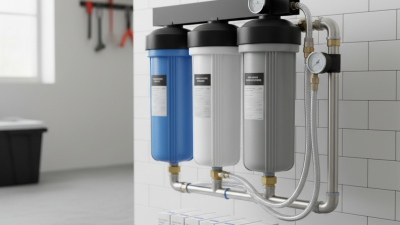
Choosing the right whole house water filtration system is crucial for ensuring clean and safe water in your home. Water quality affects health, taste, and even appliance longevity. With many options available, the decision may become overwhelming. Factors such as contaminants, filter types, and flow rates must be considered.

A whole house water filtration system serves every tap and shower in your home. It provides convenience and peace of mind. However, not all systems are created equal. It's essential to evaluate your specific needs. Some systems may not filter certain contaminants effectively. You may discover that the best solution for your home is different from what your neighbor uses.

It's also important to consider maintenance. Filters require regular replacement, and installation can be complicated. A cheaper system may lead to higher costs down the line. Reflect on what you truly need for your household. Informed choices lead to better water quality and overall satisfaction. Evaluating options carefully can make a significant difference. This guide aims to help you navigate the intricacies of selecting the ideal whole house water filtration system.

2026 How to Choose the Best Whole House Water Filtration System?

Factors to Consider When Choosing a Whole House Water Filtration System

When selecting a whole house water filtration system, consider the source of your water. Is it from a well or municipal supply? These sources can vary in contaminants. Testing your water quality is essential. It can reveal specific impurities you might want to remove.

Another crucial factor is the type of filtration needed. Some systems target sediment and chlorine. Others focus on heavy metals or microbial contaminants. Understand what you need. The right system should align with your specific water quality issues.

Think about maintenance too. Some systems require regular filter replacements. This can drive up costs over time. Be realistic about your willingness to maintain the system. It’s vital for long-term efficiency. Choosing the right filtration system is more than just picking a product. It's also about understanding your water needs.

Types of Whole House Water Filtration Systems Explained

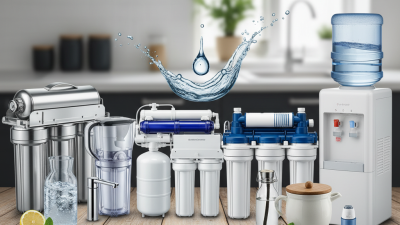
When looking for a whole house water filtration system, it's crucial to understand the different types available. Activated carbon systems are popular for removing chlorine and improving taste. They are effective but may not eliminate all contaminants. Maintenance can be a hassle, requiring regular filter changes.

Another option is reverse osmosis systems. These are known for their thorough filtration process. They can remove a wide range of impurities, including heavy metals. However, they might produce waste water and require professional installation. It’s important to weigh the pros and cons here.

Media filtration systems, such as those using sand or gravel, are also on the market. They can treat larger volumes of water effectively. Yet, they often need additional treatment for better chemical removal. The choice depends on specific water quality needs. Evaluate your situation carefully. Sometimes, a combination system might be the best solution.

Comparison of Whole House Water Filtration Systems

This chart illustrates the efficiency of different types of whole house water filtration systems based on common contaminants they remove. The data is represented in bar format, showing the percentage efficacy against contaminants like chlorine, sediment, lead, and bacteria.

How to Assess Water Quality Needs for Your Home

Assessing your home's water quality needs is a crucial step before choosing a whole house water filtration system. Start by analyzing the water source. Is it municipal or well water? Different sources often have unique contaminants. Checking the local water quality report can provide insights into common issues.

Besides, testing your water for specific contaminants can pinpoint precise needs.

Consider the size of your household as well. A larger family may require a more robust filtration system. Think about daily water usage as well. Some systems handle higher flow rates better than others.

Also, consider your specific concerns. Do you worry about chlorine taste, hard water minerals, or specific pathogens? Understanding what you want to eliminate is essential for making an informed decision.

It's easy to overlook these details. Many rush to buy without proper research. This can lead to regrets later. Take your time to evaluate your situation. Consulting with water quality experts can also provide additional clarity. Knowledge about potential contaminants and household needs can guide your choice effectively. This reflection is key to ensuring a suitable water filtration system for your home.

Installation and Maintenance Considerations for Water Filtration Systems

When considering the installation of a whole house water filtration system, maintenance plays a pivotal role. Regular upkeep is essential to ensure optimal performance. A 2022 industry report indicated that systems require filter replacements every six to twelve months, depending on usage and water quality. Neglecting this maintenance can lead to decreased efficiency and potentially harmful contaminants remaining in your water.

DIY installation might seem appealing, but it often comes with challenges. Many homeowners underestimate the complexity involved. According to a recent study, improperly installed systems can result in leaks, which may cause water damage. Engaging a professional ensures compliance with local plumbing codes and minimizes risks.

Choosing the right system requires understanding local water quality. A comprehensive water test can reveal necessary filtration methods. Some households may find sediment filters sufficient, while others need advanced solutions like reverse osmosis systems. Balancing cost and functionality is crucial. Not all high-priced systems guarantee long-term effectiveness. Regular testing is recommended for transparency and assurance.

2026 How to Choose the Best Whole House Water Filtration System? - Installation and Maintenance Considerations for Water Filtration Systems

Feature Considerations Maintenance Frequency Installation Complexity Average Cost (USD)
Capacity Size of household and water usage Every 6-12 months Medium 600-1500
Filtration Type Activated carbon, reverse osmosis, UV Varies by type High for reverse osmosis 300-2000
Water Quality Testing for contaminants Annually Low 100-1000
Warranties Length and coverage of warranty N/A Low 0-500
Filter Replacement Availability and ease of replacement Every 3-6 months Medium to High 50-300

Budgeting for a Whole House Water Filtration System: Costs and Savings

When budgeting for a whole house water filtration system, it's essential to understand the costs involved. Initial installation often ranges from $1,000 to $4,000, depending on the system's complexity. This initial cost can seem high. However, many homeowners overlook long-term savings. A comprehensive filtration system can reduce water-related health issues and lower utility bills. A 2021 industry report noted that untreated water can lead to health problems, costing families an average of $1,500 annually in medical expenses.

Maintenance costs must also be factored in. Replacement filters typically range from $100 to $300 every year. While ongoing expenses can add up, they may still be lower than the costs of bottled water. It is estimated that families spend around $400 per year on bottled water. Investing in a filtration system could yield significant savings over time. Furthermore, property values may increase. Homes with modern filtration systems are more appealing to buyers.

Choosing the right system requires careful consideration. Not all systems are created equal. Some may only target specific contaminants. Unfiltered water may still pose risks. Researching the water quality in your area can help you select the best option. Rely on professional recommendations and conduct thorough analysis for informed decisions. This investment not only enhances your water quality but can also lead to savings in the long run.