Contaminant Comparison Chart

For a complete list of contaminants that PUR filters reduce, please view our Performance Data Sheets here.


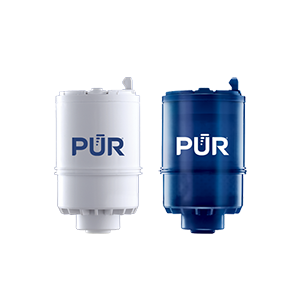
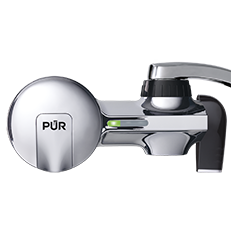
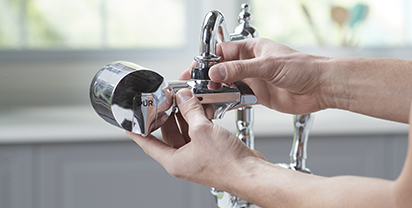
PUR & PUR PLUS FAUCET FILTERS
RF3375/RF9999

View Filters

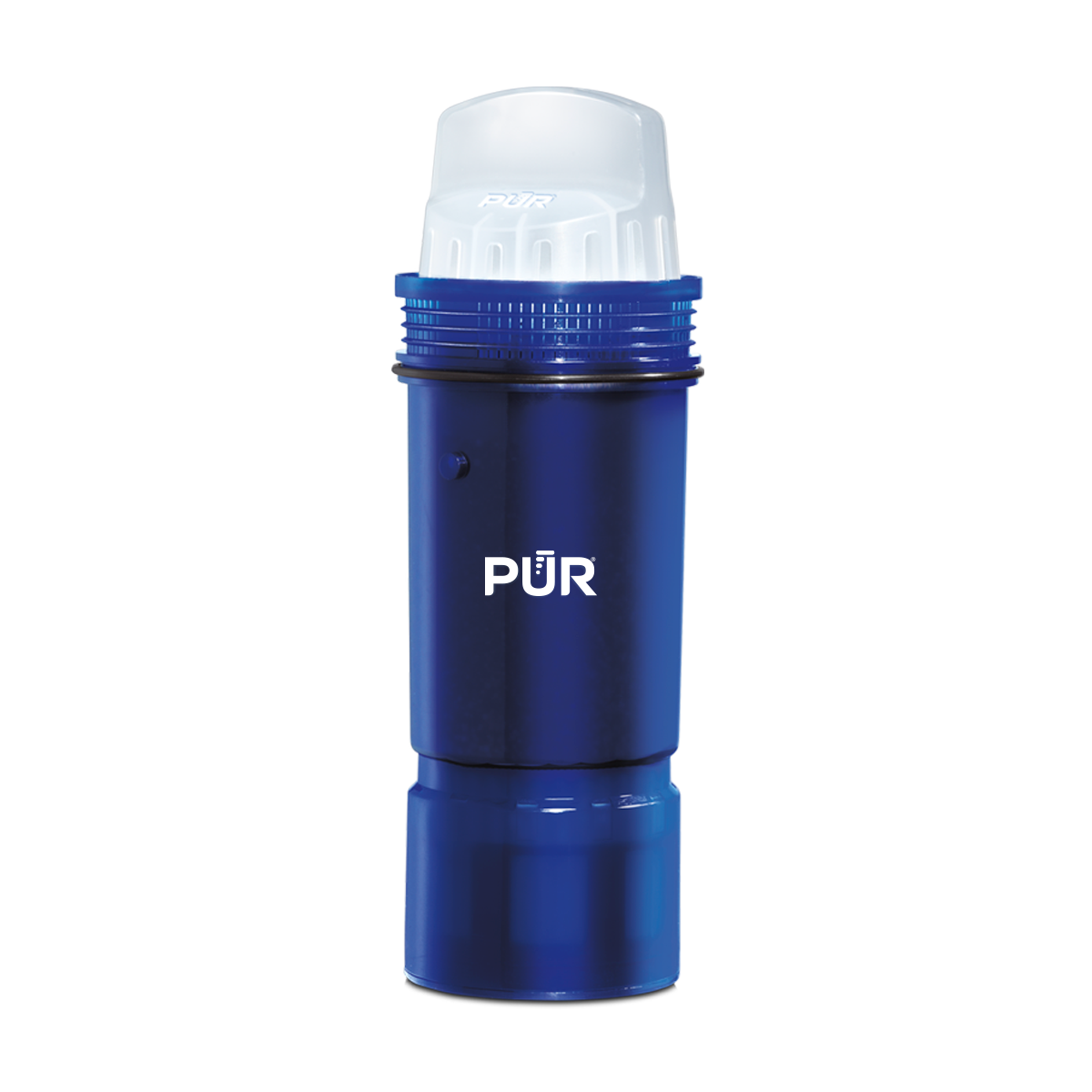
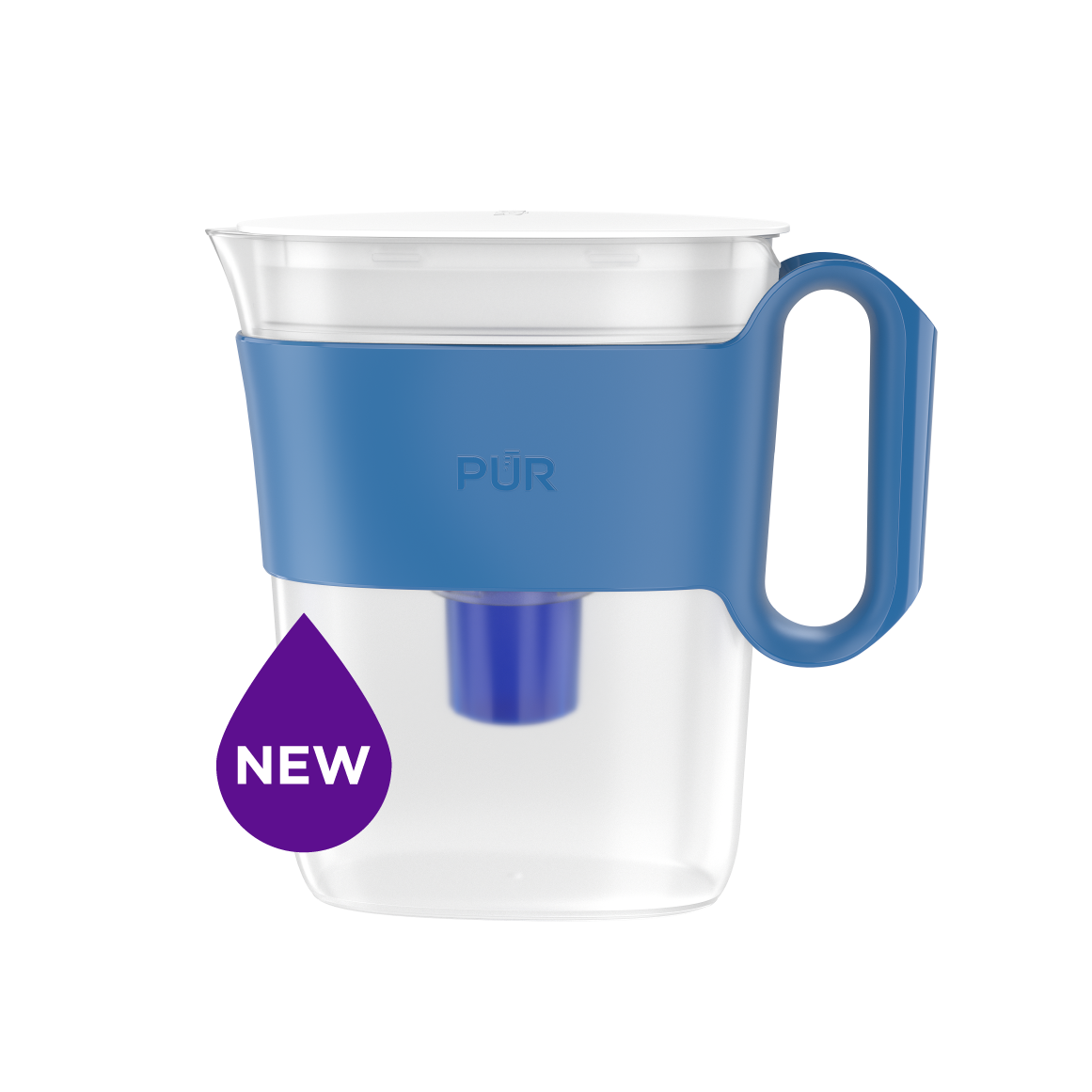
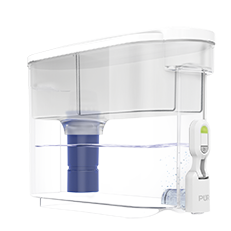
PUR PLUS PITCHER FILTERS
PPF951K

View Filter

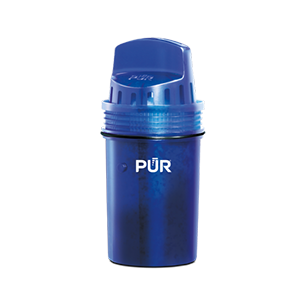
PUR BASIC PITCHER FILTERS
PPF900Z

View Filter


Vs. Brita*

Lead ✓ ✓
Microplastics ✓ ✓
Mercury ✓ ✓ ✓
Chlorine Taste & Odor ✓ ✓ ✓
DEET ✓
TTHM ✓

PUR’s Filtration Systems Are Certified By NSF And WQA For Their Contamination Reduction. WQA certifications as of 5/27/21 for Faucet filter models RF-3375 and RF-9999.

¹ Certified to reduce 10X more chemical and physical substances than Brita’s® leading pitcher filter.
² Certified to reduce 3X more chemical and physical substances than Brita’s® leading pitcher filter.
³ Certified to reduce 2X more chemical and physical substances than Brita’s® leading pitcher filter.
*Versus best-selling Brita® pitcher filter OB03. Brita® is a trademark of Brita LP.
**Like other leading brands, PUR does not filter microbes. As of 3/1/23 Brita® and ZeroWater® were not certified to filter microbes. Brita® is a trademark of Brita LP. ZeroWater® is a trademark of Zero Technologies, LLC..
 

PUR & PUR PLUS FAUCET FILTERS


PUR & PUR PLUS FAUCET FILTERS
RF3375/RF9999

View Filters


Vs. Brita*

Lead ✓
Microplastics ✓
Mercury ✓
Chlorine Taste & Odor ✓
DEET ✓
TTHM ✓

PUR’s Filtration Systems Are Certified By NSF And WQA For Their Contamination Reduction. WQA certifications as of 5/27/21 for Faucet filter models RF-3375 and RF-9999.

¹ Certified to reduce 10X more chemical and physical substances than Brita’s® leading pitcher filter.
² Certified to reduce 3X more chemical and physical substances than Brita’s® leading pitcher filter.
³ Certified to reduce 2X more chemical and physical substances than Brita’s® leading pitcher filter.
*Versus best-selling Brita® pitcher filter OB03. Brita® is a trademark of Brita LP.
**Like other leading brands, PUR does not filter microbes. As of 3/1/23 Brita® and ZeroWater® were not certified to filter microbes. Brita® is a trademark of Brita LP. ZeroWater® is a trademark of Zero Technologies, LLC..
 

PUR PLUS PITCHER FILTERS


PUR PLUS PITCHER FILTERS
PPF951K

View Filter


Vs. Brita*

Lead ✓
Microplastics ✓
Mercury ✓
Chlorine Taste & Odor ✓
DEET
TTHM

PUR’s Filtration Systems Are Certified By NSF And WQA For Their Contamination Reduction. WQA certifications as of 5/27/21 for Faucet filter models RF-3375 and RF-9999.

¹ Certified to reduce 10X more chemical and physical substances than Brita’s® leading pitcher filter.
² Certified to reduce 3X more chemical and physical substances than Brita’s® leading pitcher filter.
³ Certified to reduce 2X more chemical and physical substances than Brita’s® leading pitcher filter.
*Versus best-selling Brita® pitcher filter OB03. Brita® is a trademark of Brita LP.
**Like other leading brands, PUR does not filter microbes. As of 3/1/23 Brita® and ZeroWater® were not certified to filter microbes. Brita® is a trademark of Brita LP. ZeroWater® is a trademark of Zero Technologies, LLC..
 

PUR BASIC PITCHER FILTERS


PUR BASIC PITCHER FILTERS
PPF900Z

View Filter


Vs. Brita*

Lead
Microplastics
Mercury ✓
Chlorine Taste & Odor ✓
DEET
TTHM

PUR’s Filtration Systems Are Certified By NSF And WQA For Their Contamination Reduction. WQA certifications as of 5/27/21 for Faucet filter models RF-3375 and RF-9999.

¹ Certified to reduce 10X more chemical and physical substances than Brita’s® leading pitcher filter.
² Certified to reduce 3X more chemical and physical substances than Brita’s® leading pitcher filter.
³ Certified to reduce 2X more chemical and physical substances than Brita’s® leading pitcher filter.
*Versus best-selling Brita® pitcher filter OB03. Brita® is a trademark of Brita LP.
**Like other leading brands, PUR does not filter microbes. As of 3/1/23 Brita® and ZeroWater® were not certified to filter microbes. Brita® is a trademark of Brita LP. ZeroWater® is a trademark of Zero Technologies, LLC..
 

What Is the Best Faucet Water Filter for Global Buyers?

Choosing the best faucet water filter is not a simple shopping decision. It depends on local water quality, household plumbing, filter capacity, and the contaminant that needs reduction. The WHO/UNICEF Joint Monitoring Programme reported that 2.2 billion people lacked safely managed drinking water in 2022. That figure explains the demand for practical point-of-use treatment, but it does not make every filter suitable for every home.

Rick Andrew, a water treatment specialist associated with NSF International, has stated, “There is no one-size-fits-all approach to water treatment.” That principle should guide global buyers. A filter designed for chlorine taste may not reduce lead, PFAS, microbes, or sediment. Buyers should check independent certification, replacement intervals, flow rate, and testing claims. NSF/ANSI 42 generally covers aesthetic improvements, while NSF/ANSI 53 addresses specific health-related contaminants. Certification matters.

So does local evidence.

The U.S. Environmental Protection Agency explains that lead can enter drinking water through plumbing materials. Its consumer guidance recommends checking certified treatment claims rather than trusting broad “purification” language. Meanwhile, CDC guidance reminds households to replace cartridges on schedule, because an exhausted cartridge may perform poorly.

A useful comparison begins with the kitchen tap. Is the water cloudy after rainfall? Does it smell of chlorine? Does an old apartment building use aging pipes? These details change the answer. Global buyers also face different voltage, connector, certification, and cartridge-availability conditions.

The honest limitation is simple: no faucet water filter solves every water problem. The best choice is the one matched to verified local risks, measured performance, and realistic maintenance habits. Small details can decide the result.

What Is the Best Faucet Water Filter for Global Buyers?

How Faucet Water Filters Work and What They Remove

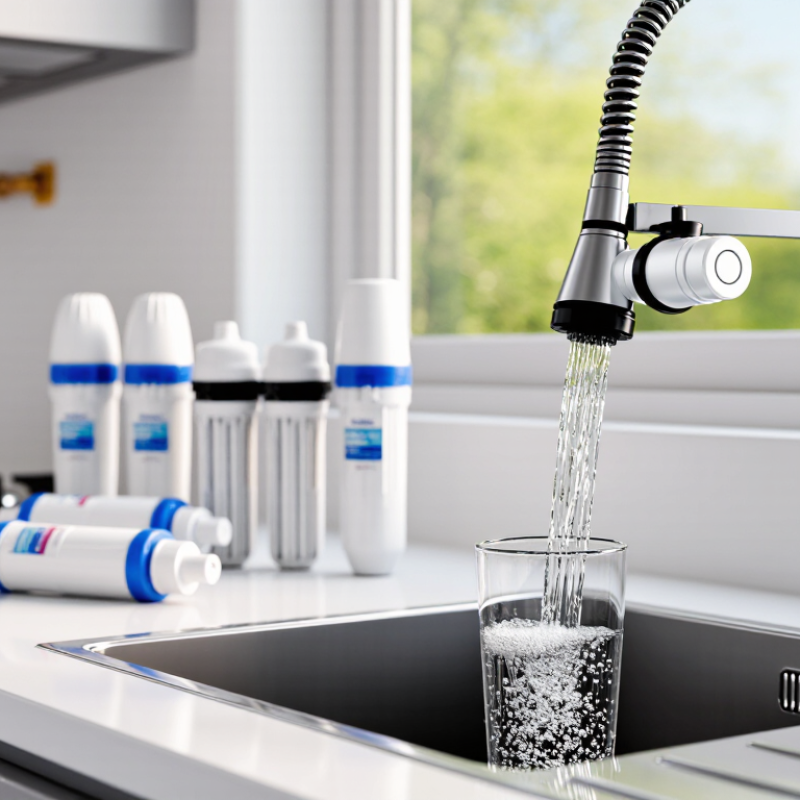
A faucet water filter treats water as it passes through a small cartridge attached to the tap. Inside, water may move through activated carbon, a fine screen, or several layers of media. Carbon can reduce chlorine, some odors, and certain organic compounds by trapping them on its surface. A screen mainly catches particles such as rust flakes or sediment. The exact result depends on the filter design and the water entering your home.

Not every cartridge removes the same substances. Some are tested to reduce lead or particular chemicals, while others focus on taste and smell. Check the product’s independent test claims and the contaminants named on its documentation. “Improves water quality” is too vague to guide a careful choice. Local water reports can help identify what matters, though old pipes may add contaminants after water leaves a treatment plant.

Flow often slows as a cartridge collects material. Replace it according to its rated capacity, not just when the taste changes. A filter cannot make every water source safe, and it may not remove dissolved minerals or microbes. That distinction is easy to miss. Choosing a filter can feel simpler than reading a test sheet, but the details matter. A useful filter is one matched to a known need, with clear performance evidence.

Key Features to Compare Across Different Filter Models

What Is the Best Faucet Water Filter for Global Buyers?
Key Features to Compare Across Different Filter Models

A useful faucet filter should match your local water concerns, sink, and daily routine. Compare the contaminants each model is tested to reduce, rather than relying on broad claims such as “cleaner water.” Check for independent test information and read the fine print: performance varies by contaminant and operating conditions. If your water is already safe, a filter may improve taste but not address every concern.

Flow rate matters during busy mornings. A slow stream can make filling a cooking pot frustrating. Check faucet compatibility, including thread size and whether the filter fits pull-out or unusual spouts. Also compare cartridge capacity, replacement cost, and availability where you live. A long-rated cartridge is less helpful if replacements are hard to find. Filter lifespan depends on water quality and usage, too.

Tips: Measure your faucet before buying. Look for clear replacement instructions and a simple indicator, if available. Check whether the unit switches between filtered and unfiltered water; that can help preserve cartridge life. One detail is easy to miss: installation may feel simple on paper, yet a tight fitting or adapter can still be awkward. Read the return terms and keep the first receipt.

How to Match a Filter to Local Water Quality and Tap Types

What Is the Best Faucet Water Filter for Global Buyers?

How to Match a Filter to Local Water Quality and Tap Types

A faucet filter works best when it addresses a known water concern. Hard water can leave pale scale on kettles, while chlorine may affect the smell and taste of tap water. If sediment clouds a glass after plumbing work, a fine-particle filter may help. Check local water-quality reports when available, and choose a filter whose tested capabilities match the specific issue. No single cartridge removes every contaminant.

The tap matters just as much. Measure the faucet outlet and check whether it has internal or external threads; some pull-out and unusually shaped taps will not accept standard adapters. A secure fit should not wobble or leak when the handle turns.

Small detail, big difference.

In areas with seasonal changes or older pipes, water quality can vary, so an occasional test is more dependable than guessing from taste alone.

Look for clear instructions, a stated replacement interval, and evidence supporting the filter’s performance claims. A cartridge left in service too long may perform poorly, even if the water still looks clear. Replacement schedules are not perfect for every household; usage and local conditions matter.

If the adapter almost fits, pause. Forcing it can damage the tap or create a slow leak.

Evaluating Filter Life, Flow Rate, Certification, and Cost

What Is the Best Faucet Water Filter for Global Buyers?
Evaluating Filter Life, Flow Rate, Certification, and Cost

A good faucet filter should fit your water use, not just look impressive on a package. Check the stated filter life in gallons or liters, then compare it with your household’s daily use. A small apartment may need fewer replacements than a busy family kitchen. Still, rated capacity is an estimate; sediment or unusual source water can shorten it. Keep a note of installation date and taste changes.

Flow rate matters during everyday tasks. If filling a kettle takes noticeably longer, the filter may feel inconvenient, even when it reduces selected contaminants. Compare the rated flow and confirm whether it applies to filtered water. Certification can help assess performance, but check the exact model and the specific substances tested. Standards and labeling vary by market, so a general “tested” claim is not enough. Replacement cartridges may also be harder to find in some regions, changing the real cost.

Tips: Compare annual cartridge costs, not just the initial price. Check faucet compatibility, local cartridge availability, and whether the device needs tools. Read the test scope carefully. I once overlooked that detail. It is easy to focus on a long filter life and miss a slow flow rate.

What Is the Best Faucet Water Filter for Global Buyers? – Evaluating Filter Life, Flow Rate, Certification, and Cost

Indicative ranges for common faucet-filter types; actual performance and pricing vary by model, water quality, and market. Verify each product’s documentation before purchase.
Filter type Typical filter life Typical flow rate Certification to check Indicative cost (USD) Best suited for
Basic activated-carbon faucet filter About 100–200 gal (380–760 L), or roughly 2–3 months About 0.3–0.5 gpm (1.1–1.9 L/min) NSF/ANSI 42 for specified aesthetic claims, such as chlorine taste and odor; check the exact model and claims. Unit: $15–$40
Replacement cartridge: $8–$20
Improving taste and odor where the incoming water is already treated and compliant.
Carbon-block faucet filter About 200–400 gal (760–1,510 L), or roughly 3–6 months About 0.3–0.6 gpm (1.1–2.3 L/min) Look for NSF/ANSI 42 and, if reduction of a specific health-related contaminant is claimed, NSF/ANSI 53 certification for that claim. Unit: $25–$70
Replacement cartridge: $15–$35
Buyers seeking a balance of everyday filtration, moderate flow, and manageable replacement costs.
Carbon block with additional treatment media About 100–300 gal (380–1,135 L), commonly 2–4 months; varies with media and water conditions About 0.2–0.5 gpm (0.8–1.9 L/min) Check NSF/ANSI 42, 53, or 401 only where relevant to the stated reduction claims; certification does not imply reduction of every contaminant in a standard. Unit: $35–$100
Replacement cartridge: $20–$50
Households wanting claims beyond taste and odor, provided those claims are independently verified for the exact model.
Ceramic element with carbon media Typically 100–300 gal (380–1,135 L); replacement timing depends on the rated capacity and maintenance instructions About 0.1–0.4 gpm (0.4–1.5 L/min) Verify the complete system’s certification and specific claims. Do not infer microbiological protection from ceramic media alone. Unit: $30–$90
Replacement element: $15–$40
Users prioritizing a reusable or cleanable element; check that maintenance is practical and permitted by the manufacturer.

Buying note: Filter life is a rated capacity, not a guarantee of calendar life. Sediment, source-water quality, and daily use can shorten it. For any certification, confirm the exact model and the specific contaminant-reduction claim in the certifier’s listing; standards alone do not certify every product.

Choosing the Best Faucet Water Filter for Different Buyer Needs

The best faucet filter depends on the buyer’s water, not just the filter’s advertised capacity. For city apartments, chlorine taste or odor may be the main concern; households using private wells should test their water before choosing a device. The WHO/UNICEF Joint Monitoring Programme reported that 2.2 billion people lacked safely managed drinking-water services in 2022. That figure describes access, not the safety of every tap. Context matters.

For buyers focused on taste, check whether independent testing verifies the specific reduction claims, such as chlorine under NSF/ANSI Standard 42. If a health-related contaminant is the concern, look for testing against that contaminant under a relevant standard, such as NSF/ANSI 53. A broad “removes impurities” claim is not enough.

Compare cartridge life, replacement costs, and local availability, too. A low-cost unit can become inconvenient when refills are hard to find.

Fit matters more than many buyers expect. Check the faucet thread, adapter options, sink clearance, and whether the filter switches easily between filtered and unfiltered flow. This is easy to overlook. The same model may suit one rental kitchen and frustrate another.

WHO/UNICEF also estimated that 115 million people collected untreated surface water in 2022; this highlights very different water needs, not a reason to assume faucet filters can make every source safe. Choose according to a local water test and verified product claims.