Why Choose a Water Filter Pitcher for Your Home?
Clean drinking water should feel simple, but household water quality can be surprisingly complex. A water filter pitcher offers a convenient way to improve taste, reduce odors, and address selected contaminants. It sits beside the kitchen sink or inside the refrigerator, ready for everyday use.
Rick Andrew, a water treatment specialist and former NSF International expert, has emphasized, “Filters need to be replaced according to the manufacturer’s instructions.” That advice sounds ordinary. It is easy to ignore. Yet an expired cartridge may reduce performance and create false confidence. A responsible choice begins with checking the filter’s certification, stated contaminant reductions, and replacement schedule.
A water filter pitcher can suit renters, families, and people who dislike carrying bottled water. It may also help coffee, tea, and cooking taste cleaner. However, it is not a universal answer. Different regions may have concerns involving chlorine, lead, minerals, or microorganisms. Local water reports should guide the decision.
The details matter.
Look for clear performance claims, independent certification, and a lid that closes securely. Keep the pitcher refrigerated when recommended, wash it regularly, and track cartridge changes on a calendar. These small habits are often more important than attractive packaging.
There is also room for doubt. A pitcher cannot correct every water problem, and taste improvement does not prove complete safety. When water has an unusual color, smell, or reported contamination, professional testing may be wiser. Choosing a water filter pitcher should therefore combine convenience with evidence, maintenance, and a realistic understanding of its limits.
Define the Need: EPA Regulates 90 Contaminants in Public Water
Why Choose a Water Filter Pitcher for Your Home?
The EPA regulates 90 contaminants in public drinking water, including microorganisms, metals, and certain chemicals. This number can feel alarming, but regulation does not mean every contaminant exists in your tap water. Public suppliers must monitor water and meet legal safety standards. Still, pipes, plumbing fixtures, or seasonal changes can affect water quality after treatment.
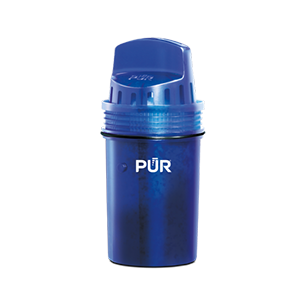
A water filter pitcher offers a simple point-of-use option. It can improve taste, reduce chlorine odors, and lower specific contaminants when properly certified for them. Check your local water quality report before choosing a filter. Look for independent certification that matches your concern, such as lead or chlorine reduction. A general claim like “cleaner water” is not enough.
Small habits matter.
Replace the cartridge on schedule. Keep the pitcher refrigerated. Wash it regularly, especially around the lid and reservoir. I once left a filter in use too long because the water still tasted fine. That assumption was weak. Filter performance can decline without an obvious warning. A pitcher also cannot remove every regulated contaminant, and it cannot correct unsafe plumbing by itself. It works best as one practical layer between official water monitoring and daily drinking habits.
Understand Filtration: Activated Carbon Targets Chlorine, Taste, and Odor
A water filter pitcher becomes useful when tap water smells like a swimming pool or leaves a metallic aftertaste. Its main material, activated carbon, contains tiny pores that adsorb chlorine-related compounds and some odor-causing molecules. The U.S. Environmental Protection Agency sets chlorine’s maximum residual disinfectant level at 4.0 mg/L. That limit protects against microbes, but some households dislike chlorine well below it.
This is where carbon filtration can improve daily drinking comfort. The World Health Organization’s Guidelines for Drinking-water Quality identifies activated carbon as a treatment option for taste and odor control. However, “reduces chlorine” is not the same as “removes every contaminant.” NSF/ANSI 42 addresses aesthetic claims, such as chlorine, taste, and odor; it does not prove broad protection from health hazards. Read the performance sheet, not only the front label.
At home, pour the first glass after a short flush and compare its smell with filtered water. Keep the pitcher cold, replace cartridges on schedule, and wash the reservoir regularly. Old carbon can lose effectiveness. That detail is easy to miss. Water chemistry, flow rate, and contact time change results, so one household’s experience may not match another’s. A pitcher can make tap water more pleasant, but it cannot replace certified testing when a specific contaminant is suspected.
Why Choose a Water Filter Pitcher for Your Home? - Understand Filtration: Activated Carbon Targets Chlorine, Taste, and Odor
| Water Quality Dimension |
How Activated Carbon Works |
Typical Household Benefit |
Important Consideration |
| Chlorine |
Adsorbs chlorine and certain chlorine-related compounds on the carbon surface. |
Can reduce chlorine taste and smell in treated municipal water. |
Performance depends on carbon type, contact time, water temperature, and filter condition. |
| Taste and Odor |
Traps many organic compounds that can contribute to unpleasant taste or odor. |
Often makes drinking water more pleasant for everyday use. |
A noticeable improvement is not guaranteed for every odor source or water supply. |
| Sediment and Particles |
The filter structure can physically retain some visible particles and sediment. |
May improve clarity and reduce small particles entering a glass. |
A pitcher is not a substitute for a dedicated sediment filter when water is visibly dirty. |
| Lead and Selected Metals |
Some specially designed carbon or carbon-composite filters can reduce selected metals. |
May help address certain contaminants from household plumbing. |
Only choose a filter whose independent performance documentation specifically lists the contaminant. |
| Hardness Minerals |
Standard activated carbon does not substantially remove calcium and magnesium hardness. |
Usually provides little or no measurable softening benefit. |
Water softeners or other treatment methods are designed for hardness reduction. |
| Nitrates and Dissolved Salts |
Activated carbon is generally not intended to remove nitrates or total dissolved salts. |
Offers limited value for these dissolved inorganic contaminants. |
Reverse osmosis or other specifically rated treatment may be more appropriate. |
| Microorganisms |
Standard activated carbon is not a reliable disinfection method. |
Should generally be used with microbiologically safe water. |
Do not rely on a conventional pitcher to make contaminated water safe. |
| Convenience and Use |
Water passes through a replaceable cartridge by gravity, with no plumbing installation. |
Provides a portable, low-complexity option for drinking and cooking water. |
Follow the replacement schedule and keep the pitcher clean to maintain performance. |
Key takeaway:
A water filter pitcher with activated carbon is primarily suited to improving chlorine-related taste and odor. Filter capabilities vary, so review the product’s contaminant-reduction claims, testing information, rated capacity, and replacement instructions before use.
Verify Performance: NSF/ANSI 42 Covers Aesthetic Water Claims
Why Choose a Water Filter Pitcher for Your Home?
A water filter pitcher can make everyday tap water taste cleaner without installation or plumbing changes. However, convenience should not replace verification. When comparing pitchers, look for NSF/ANSI 42 certification. This standard addresses aesthetic water claims, including reductions in chlorine taste, odor, and certain particles. The exact claim depends on the tested filter.
NSF/ANSI 42 does not automatically prove protection against every contaminant. It is not a universal health-safety guarantee. Read the performance data carefully. Check whether the certification applies to the complete pitcher or only the replacement cartridge. Also review the rated capacity, flow rate, and replacement schedule. In my experience, a neglected cartridge can produce disappointing results, even when the original filter performed well. Small details matter.
Tips:
Fill the pitcher with cold tap water, keep it covered, and replace the cartridge on schedule. Notice changes in taste, flow, or odor. Those signs may suggest replacement is overdue. Keep the receipt and certification details for future checks. If your water has unusual color or a strong chemical smell, contact your local water provider before relying on a pitcher. A filter may improve flavor, but it may not address the underlying problem. That distinction is easy to miss.
Assess Health Protection: NSF/ANSI 53 Addresses Lead and Other Contaminants
A water filter pitcher can provide a simple barrier between household water and unwanted contaminants. NSF/ANSI 53 is especially relevant because it evaluates filters designed to reduce lead and other contaminants with health effects. Lead may come from aging pipes, faucets, or plumbing connections. It usually has no obvious taste or smell. That makes visual inspection unreliable.
Certification must match the specific pitcher model and contaminant claim. A filter tested for lead reduction may not remove bacteria, viruses, pesticides, or every chemical in your water. Read the performance data carefully. The standard also does not mean the filter works forever. Cartridge life matters.
In daily use, keep the pitcher covered and refrigerated if the instructions recommend it. Replace the cartridge on schedule, even when the water still tastes normal. Run cold tap water before filling, especially after several hours of standing. Never assume boiling removes lead; it can concentrate dissolved metals as water evaporates. A local water report or laboratory test can reveal risks that a pitcher cannot address alone.
I once thought better taste meant safer water. That assumption was weak. For households concerned about lead, look for clear NSF/ANSI 53 certification and verified reduction claims. Check the filter’s capacity, replacement cost, and testing conditions. Small details matter. A certified pitcher can support safer routines, but careful maintenance remains part of the protection.
Check PFAS Claims: EPA’s 2024 Limits Set 4 ppt for PFOA and PFOS
Why Choose a Water Filter Pitcher for Your Home?
EPA’s 2024 drinking-water rule sets enforceable limits of 4 parts per trillion for PFOA and PFOS. That is an extremely small amount. The rule also sets a 10 ppt limit for four other PFAS compounds combined. Public water systems must complete initial monitoring within three years and meet the limits within five years, according to the U.S. Environmental Protection Agency’s 2024 final rule.
A pitcher can add a practical layer of protection at the kitchen sink. The U.S. Geological Survey reported PFAS detections in about 45% of sampled U.S. tap-water sites in a 2023 national study. That finding does not mean every home faces the same exposure. Local results vary. Still, a cold glass filled from a certified filter feels more reassuring when records are incomplete.
Check the claim carefully.
Look for independent certification showing PFAS reduction, not only “improves taste.” NSF/ANSI standards may apply, but the product must specifically list PFOA and PFOS performance. Compare the reduction percentage, testing conditions, and rated filter capacity. A filter rated for 100 gallons may perform differently near replacement time.
Small details matter.
Replace cartridges on schedule. Wash the pitcher regularly. Do not assume boiling removes PFAS; these chemicals are not reliably destroyed by normal boiling. I once treated a filter-change reminder as optional, which was careless. Performance can decline before the water tastes different. EPA’s health advisory levels are non-enforceable guidance, while the 2024 limits are regulatory requirements for public systems. That distinction deserves attention.