Contaminant Comparison Chart

For a complete list of contaminants that PUR filters reduce, please view our Performance Data Sheets here.


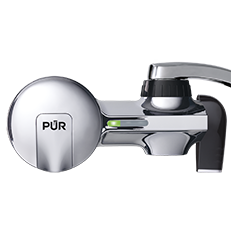
PUR & PUR PLUS FAUCET FILTERS
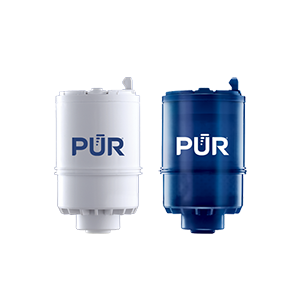
RF3375/RF9999

View Filters

PUR PLUS PITCHER FILTERS
PPF951K

View Filter

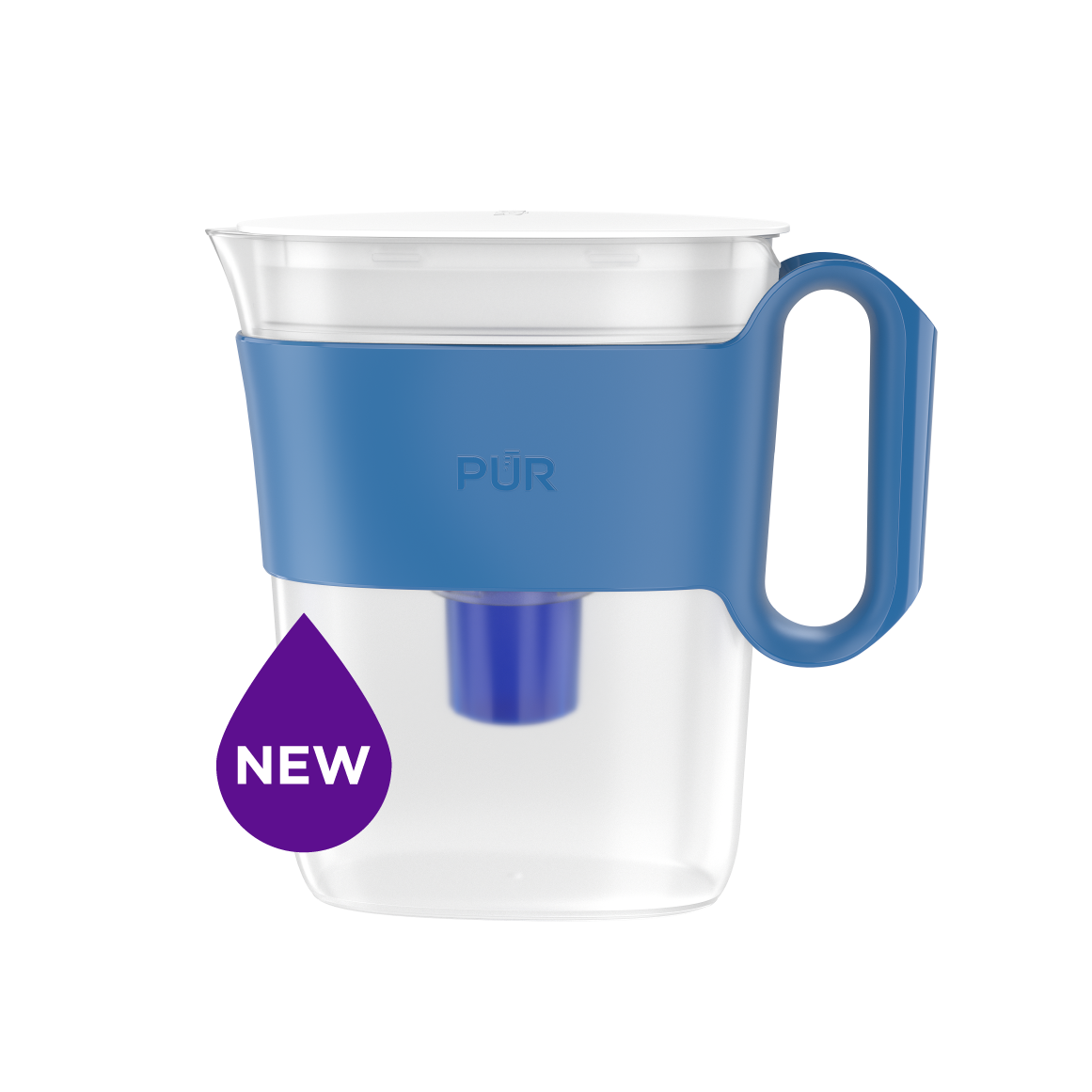
PUR BASIC PITCHER FILTERS
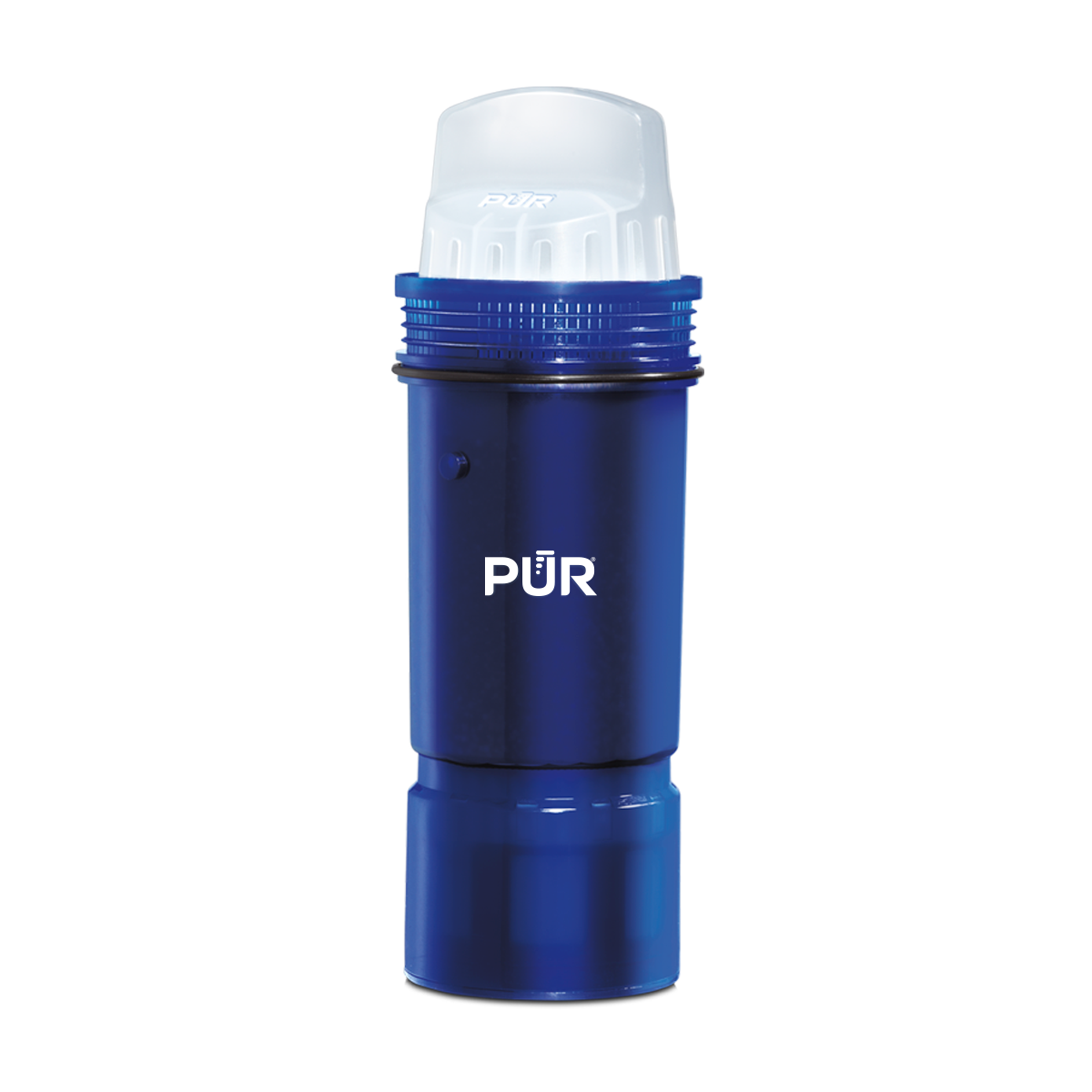
PPF900Z

View Filter


Vs. Brita*

Lead
Microplastics
Mercury
Chlorine Taste & Odor
DEET
TTHM

PUR’s Filtration Systems Are Certified By NSF And WQA For Their Contamination Reduction. WQA certifications as of 5/27/21 for Faucet filter models RF-3375 and RF-9999.

¹ Certified to reduce 10X more chemical and physical substances than Brita’s® leading pitcher filter.
² Certified to reduce 3X more chemical and physical substances than Brita’s® leading pitcher filter.
³ Certified to reduce 2X more chemical and physical substances than Brita’s® leading pitcher filter.
*Versus best-selling Brita® pitcher filter OB03. Brita® is a trademark of Brita LP.
**Like other leading brands, PUR does not filter microbes. As of 3/1/23 Brita® and ZeroWater® were not certified to filter microbes. Brita® is a trademark of Brita LP. ZeroWater® is a trademark of Zero Technologies, LLC..
 

PUR & PUR PLUS FAUCET FILTERS


PUR & PUR PLUS FAUCET FILTERS
RF3375/RF9999

View Filters


Vs. Brita*

Lead
Microplastics
Mercury
Chlorine Taste & Odor
DEET
TTHM

PUR’s Filtration Systems Are Certified By NSF And WQA For Their Contamination Reduction. WQA certifications as of 5/27/21 for Faucet filter models RF-3375 and RF-9999.

¹ Certified to reduce 10X more chemical and physical substances than Brita’s® leading pitcher filter.
² Certified to reduce 3X more chemical and physical substances than Brita’s® leading pitcher filter.
³ Certified to reduce 2X more chemical and physical substances than Brita’s® leading pitcher filter.
*Versus best-selling Brita® pitcher filter OB03. Brita® is a trademark of Brita LP.
**Like other leading brands, PUR does not filter microbes. As of 3/1/23 Brita® and ZeroWater® were not certified to filter microbes. Brita® is a trademark of Brita LP. ZeroWater® is a trademark of Zero Technologies, LLC..
 

PUR PLUS PITCHER FILTERS


PUR PLUS PITCHER FILTERS
PPF951K

View Filter


Vs. Brita*

Lead
Microplastics
Mercury
Chlorine Taste & Odor
DEET
TTHM

PUR’s Filtration Systems Are Certified By NSF And WQA For Their Contamination Reduction. WQA certifications as of 5/27/21 for Faucet filter models RF-3375 and RF-9999.

¹ Certified to reduce 10X more chemical and physical substances than Brita’s® leading pitcher filter.
² Certified to reduce 3X more chemical and physical substances than Brita’s® leading pitcher filter.
³ Certified to reduce 2X more chemical and physical substances than Brita’s® leading pitcher filter.
*Versus best-selling Brita® pitcher filter OB03. Brita® is a trademark of Brita LP.
**Like other leading brands, PUR does not filter microbes. As of 3/1/23 Brita® and ZeroWater® were not certified to filter microbes. Brita® is a trademark of Brita LP. ZeroWater® is a trademark of Zero Technologies, LLC..
 

PUR BASIC PITCHER FILTERS


PUR BASIC PITCHER FILTERS
PPF900Z

View Filter


Vs. Brita*

Lead
Microplastics
Mercury
Chlorine Taste & Odor
DEET
TTHM

PUR’s Filtration Systems Are Certified By NSF And WQA For Their Contamination Reduction. WQA certifications as of 5/27/21 for Faucet filter models RF-3375 and RF-9999.

¹ Certified to reduce 10X more chemical and physical substances than Brita’s® leading pitcher filter.
² Certified to reduce 3X more chemical and physical substances than Brita’s® leading pitcher filter.
³ Certified to reduce 2X more chemical and physical substances than Brita’s® leading pitcher filter.
*Versus best-selling Brita® pitcher filter OB03. Brita® is a trademark of Brita LP.
**Like other leading brands, PUR does not filter microbes. As of 3/1/23 Brita® and ZeroWater® were not certified to filter microbes. Brita® is a trademark of Brita LP. ZeroWater® is a trademark of Zero Technologies, LLC..

 

How to Choose the Best Whole House Water Filtration System?

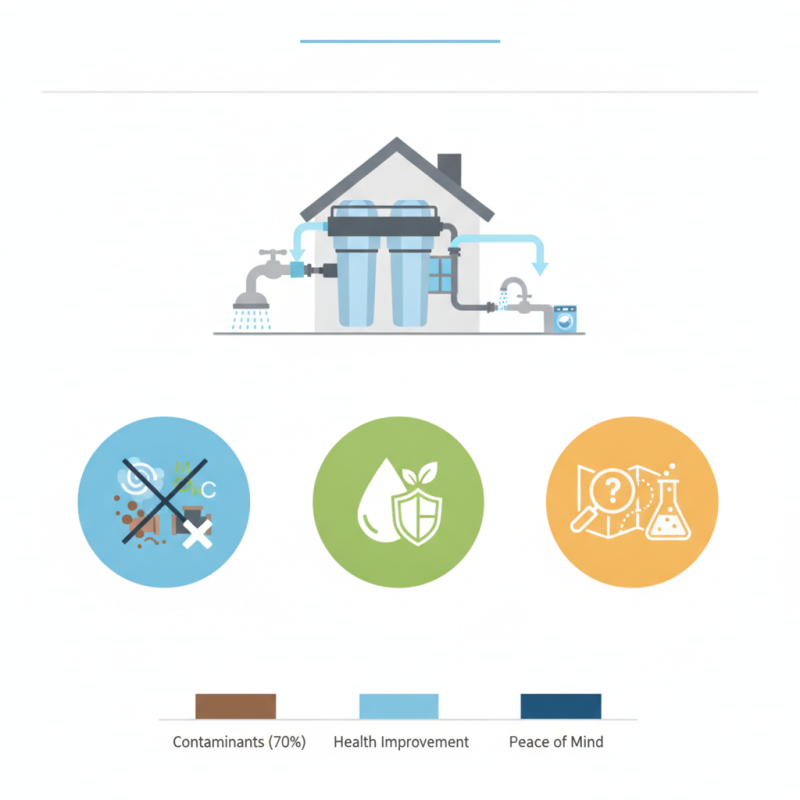
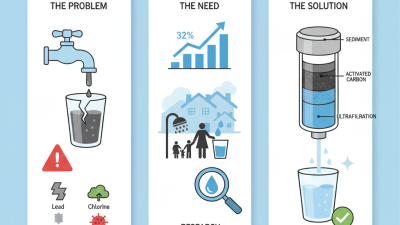
Selecting the right whole house water filtration system is crucial for ensuring safe drinking water. According to a report by the Water Quality Association, approximately 70% of households face issues with contaminants in their water supply. These can range from chlorine to lead, impacting both health and taste. This highlights the need for a reliable filtration system.

A whole house water filtration system offers a comprehensive solution. It addresses contaminants before they enter your plumbing system, benefiting the entire household. A study from the Environmental Protection Agency emphasizes that well-filtered water can significantly improve health outcomes. However, many consumers struggle with knowing what features matter most in choosing the right system. This uncertainty can lead to poor choices that fail to address specific needs.

Filtering systems vary widely in technology and effectiveness. It’s essential to assess your water quality before making a decision. While some systems boast high filtration rates, they may not cater to the specific contaminants in your region. Thus, understanding your unique situation becomes key. Investing in a whole house water filtration system can bring peace of mind, but careful consideration is needed.

How to Choose the Best Whole House Water Filtration System?

Understanding Whole House Water Filtration Systems: An Overview

How to Choose the Best Whole House Water Filtration System?

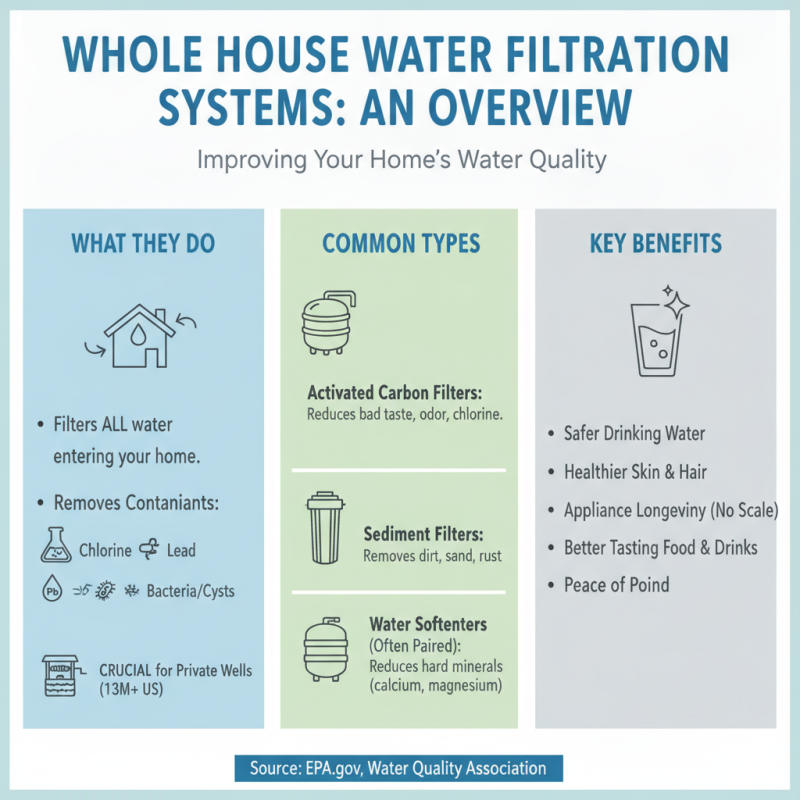
Whole house water filtration systems serve a crucial role in improving water quality for homes. These systems filter out contaminants from the water supply, including chlorine, lead, and bacteria. According to the Environmental Protection Agency (EPA), over 13 million people in the U.S. rely on private wells, which often lack regulatory oversight. Thus, understanding the types of filtration systems available is essential for homeowners.

There are various filtration technologies to consider. Activated carbon filters are effective at removing chlorine and other chemicals. Reverse osmosis systems provide comprehensive filtration, eliminating heavy metals and microbes. A Water Quality Association report states that nearly 10% of households use reverse osmosis systems. On the other hand, point-of-use systems are installed at specific taps, while whole house systems treat all water from the main supply. Choosing the right system involves considering the contaminants present in your water and the overall needs of your household.

Despite being advantageous, selecting the ideal system can be overwhelming. Not all filters remove the same contaminants. Some may require frequent maintenance, adding expense and complexity. Homeowners often underestimate the importance of regular testing. Understanding the specific water quality in a home can prevent future issues. Data-driven decisions are key to ensuring long-term satisfaction with chosen filtration solutions.

Key Factors to Consider When Choosing a Water Filtration System

Choosing the right whole house water filtration system can be challenging. Key factors matter significantly in making an informed decision. Start with water quality testing. Know what contaminants are present in your water. This knowledge helps narrow your options.

Consider the filtration method. Different systems use various technologies, such as activated carbon or reverse osmosis. Each method has its strengths and weaknesses. For example, activated carbon effectively removes chlorine and odors. However, it might not eliminate hard minerals. Understand what your home needs most.

Installation and maintenance should also factor into your decision. Some systems require professional installation, increasing initial costs. Regular maintenance is essential too. Neglecting routine checks could lead to diminished effectiveness. The goal is clean water, but the process can become cumbersome. Reflect on your lifestyle to choose the best system for you.

Types of Whole House Water Filtration Systems Explained

When selecting a whole house water filtration system, it's essential to understand the different types available. The most common systems include sediment filters, activated carbon filters, and reverse osmosis systems. Sediment filters are designed to remove larger particles like dirt and rust. They are often the first line of defense in ensuring your water quality.

Activated carbon filters are prevalent for their ability to reduce chlorine and improve taste. They work by adsorbing contaminants, making water safer and more palatable. These filters can effectively remove various chemicals and impurities, but they do require regular replacement. Reverse osmosis systems offer a more advanced level of filtration. They utilize a semipermeable membrane to remove a wide range of contaminants, including heavy metals and bacteria. However, they can waste water and may require maintenance.

Choosing the right filtration system depends on your specific water quality needs. It's important to test your water first. This can reveal specific contaminants that may be present. A system that works for one household may not be suitable for another. Understanding your water is the key to making an informed decision.

Water Filtration System Types and Their Effectiveness

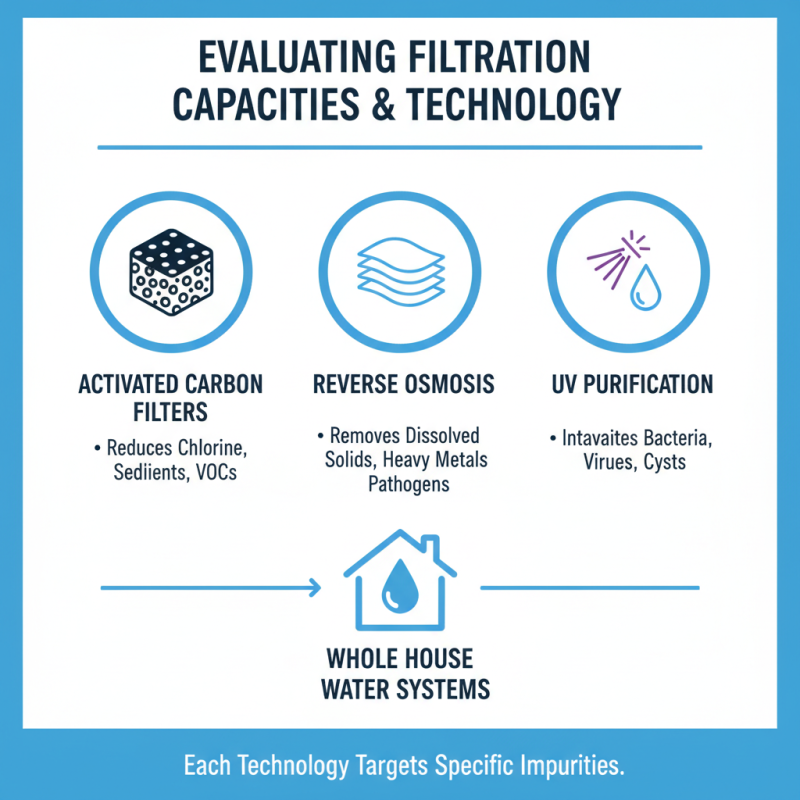
Evaluating Filtration Capacities and Technology

How to Choose the Best Whole House Water Filtration System?

When evaluating the filtration capacities of whole house water systems, understanding the technologies involved is essential. Different systems employ various filtration methods. Common options include activated carbon filters, reverse osmosis, and UV purification. Each method has its own strengths in removing impurities.

It’s crucial to assess the water quality in your home. Testing for contaminants lets you know what to filter out. Some systems excel at chlorine removal, while others target heavy metals or bacteria. Researching these aspects is vital. A system’s effectiveness should match the specific needs of your household.

There can be misconceptions about filtration capacities. Some consumers may believe all systems perform equally well. However, that’s rarely the case. Not every technology is ideal for every situation. It's beneficial to compare performance specifications. Look for certifications that indicate reliability. The choice may not always be clear-cut, and personal experience can help guide decisions.

Installation and Maintenance Considerations for Water Filtration Systems

When considering installation and maintenance for a whole house water filtration system, proper planning is crucial. Start by reviewing your home's plumbing structure. Consider access points for easy installation. Many systems require a connection to the main water line. A professional may be needed for complex setups.

Maintenance is another key factor. Regularly check filters for clogs or damage. This process can be time-consuming, but it ensures the system functions well. Some experts suggest discussing potential issues with the installer. Understanding maintenance needs during installation can save future headaches.

It's easy to overlook the need for periodic system checks. Water quality changes can sneak up on you. Test your water annually to identify unseen contaminants. Develop a routine schedule for maintenance tasks. Staying proactive helps maintain purity and functionality.

How to Choose the Best Whole House Water Filtration System? - Installation and Maintenance Considerations for Water Filtration Systems

Feature Consideration Maintenance Frequency Typical Lifespan
Filtration Type Carbon, Reverse Osmosis, Sediment Monthly to Annually 5 to 10 years
Flow Rate GPM rating according to household needs N/A N/A
Installation Professional vs DIY Initial Setup N/A
Replacement Filters Availability and Cost Every 6 months to 2 years N/A
Water Pressure Impact on overall efficiency N/A N/A