Contaminant Comparison Chart

For a complete list of contaminants that PUR filters reduce, please view our Performance Data Sheets here.


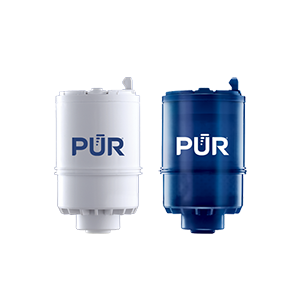
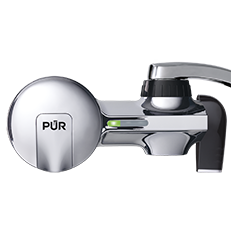
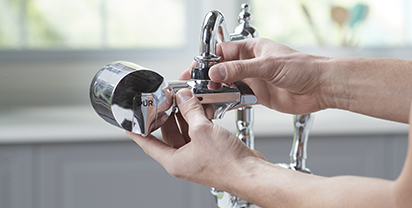
PUR & PUR PLUS FAUCET FILTERS
RF3375/RF9999

View Filters

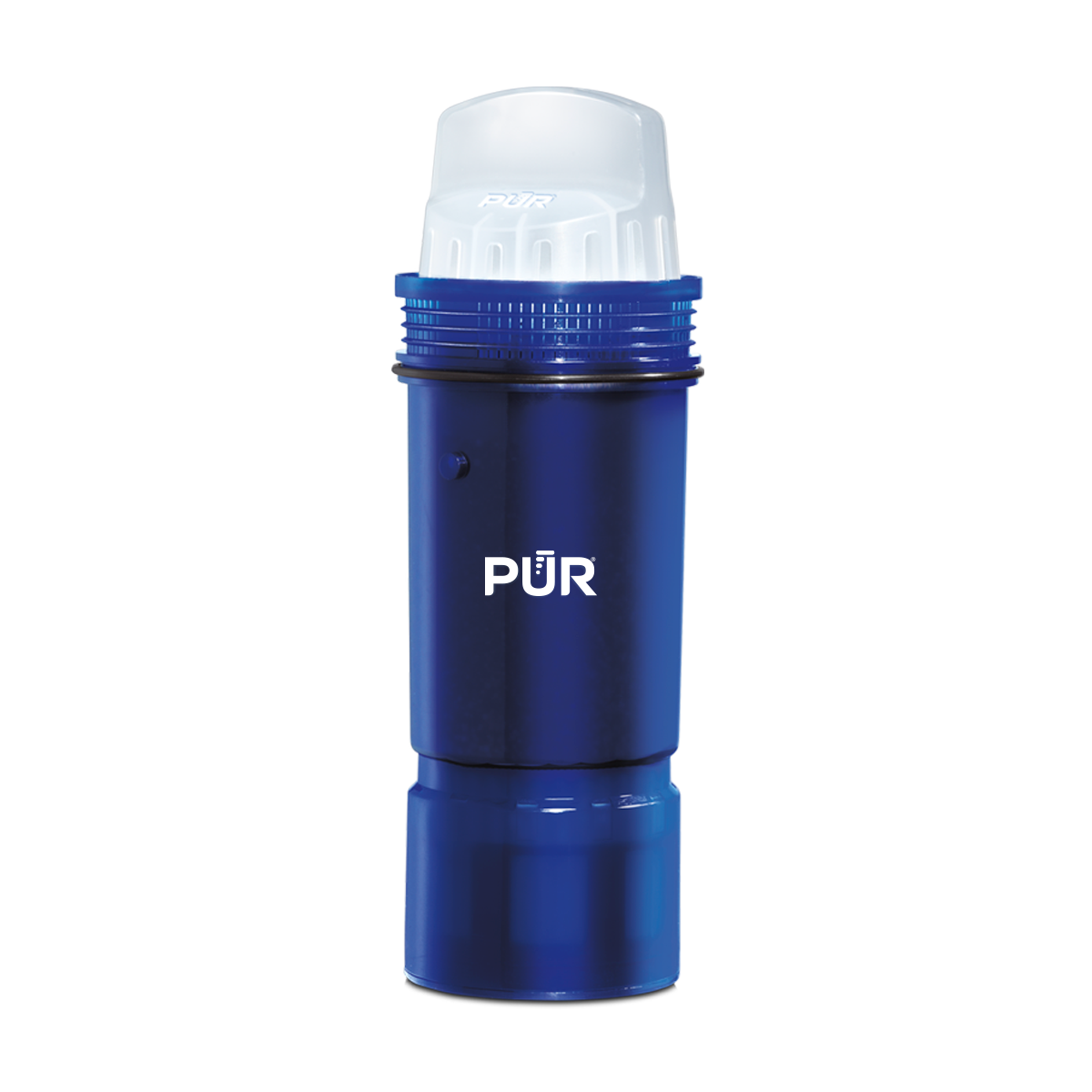
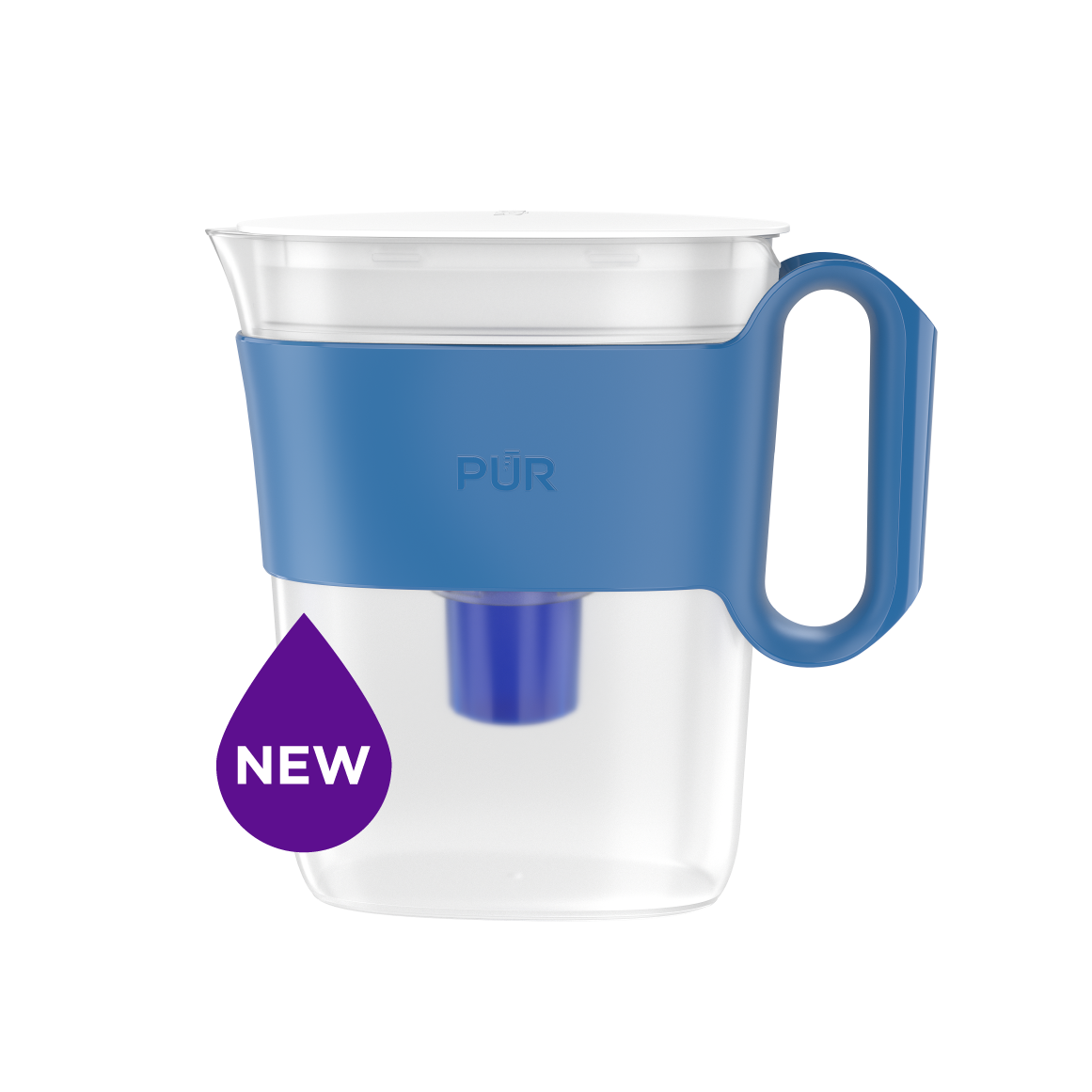
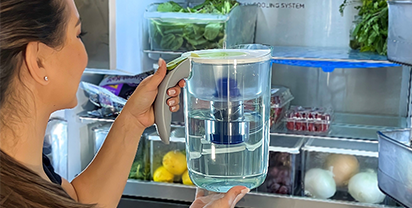
PUR PLUS PITCHER FILTERS
PPF951K

View Filter

PUR BASIC PITCHER FILTERS
PPF900Z

View Filter


Vs. Brita*

Lead ✓ ✓
Microplastics ✓ ✓
Mercury ✓ ✓ ✓
Chlorine Taste & Odor ✓ ✓ ✓
DEET ✓
TTHM ✓

PUR’s Filtration Systems Are Certified By NSF And WQA For Their Contamination Reduction. WQA certifications as of 5/27/21 for Faucet filter models RF-3375 and RF-9999.

¹ Certified to reduce 10X more chemical and physical substances than Brita’s® leading pitcher filter.
² Certified to reduce 3X more chemical and physical substances than Brita’s® leading pitcher filter.
³ Certified to reduce 2X more chemical and physical substances than Brita’s® leading pitcher filter.
*Versus best-selling Brita® pitcher filter OB03. Brita® is a trademark of Brita LP.
**Like other leading brands, PUR does not filter microbes. As of 3/1/23 Brita® and ZeroWater® were not certified to filter microbes. Brita® is a trademark of Brita LP. ZeroWater® is a trademark of Zero Technologies, LLC..
 

PUR & PUR PLUS FAUCET FILTERS


PUR & PUR PLUS FAUCET FILTERS
RF3375/RF9999

View Filters


Vs. Brita*

Lead ✓
Microplastics ✓
Mercury ✓
Chlorine Taste & Odor ✓
DEET ✓
TTHM ✓

PUR’s Filtration Systems Are Certified By NSF And WQA For Their Contamination Reduction. WQA certifications as of 5/27/21 for Faucet filter models RF-3375 and RF-9999.

¹ Certified to reduce 10X more chemical and physical substances than Brita’s® leading pitcher filter.
² Certified to reduce 3X more chemical and physical substances than Brita’s® leading pitcher filter.
³ Certified to reduce 2X more chemical and physical substances than Brita’s® leading pitcher filter.
*Versus best-selling Brita® pitcher filter OB03. Brita® is a trademark of Brita LP.
**Like other leading brands, PUR does not filter microbes. As of 3/1/23 Brita® and ZeroWater® were not certified to filter microbes. Brita® is a trademark of Brita LP. ZeroWater® is a trademark of Zero Technologies, LLC..
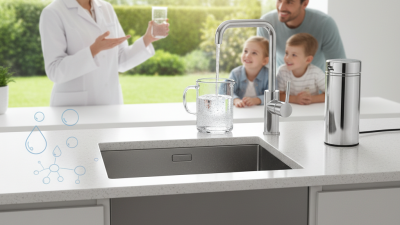
 

PUR PLUS PITCHER FILTERS


PUR PLUS PITCHER FILTERS
PPF951K

View Filter


Vs. Brita*

Lead ✓
Microplastics ✓
Mercury ✓
Chlorine Taste & Odor ✓
DEET
TTHM

PUR’s Filtration Systems Are Certified By NSF And WQA For Their Contamination Reduction. WQA certifications as of 5/27/21 for Faucet filter models RF-3375 and RF-9999.

¹ Certified to reduce 10X more chemical and physical substances than Brita’s® leading pitcher filter.
² Certified to reduce 3X more chemical and physical substances than Brita’s® leading pitcher filter.
³ Certified to reduce 2X more chemical and physical substances than Brita’s® leading pitcher filter.
*Versus best-selling Brita® pitcher filter OB03. Brita® is a trademark of Brita LP.
**Like other leading brands, PUR does not filter microbes. As of 3/1/23 Brita® and ZeroWater® were not certified to filter microbes. Brita® is a trademark of Brita LP. ZeroWater® is a trademark of Zero Technologies, LLC..
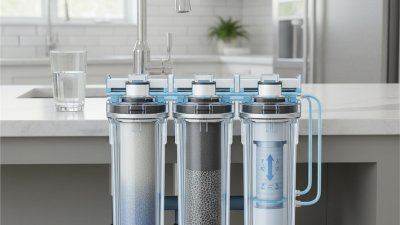
 

PUR BASIC PITCHER FILTERS


PUR BASIC PITCHER FILTERS
PPF900Z

View Filter


Vs. Brita*

Lead
Microplastics
Mercury ✓
Chlorine Taste & Odor ✓
DEET
TTHM

PUR’s Filtration Systems Are Certified By NSF And WQA For Their Contamination Reduction. WQA certifications as of 5/27/21 for Faucet filter models RF-3375 and RF-9999.

¹ Certified to reduce 10X more chemical and physical substances than Brita’s® leading pitcher filter.
² Certified to reduce 3X more chemical and physical substances than Brita’s® leading pitcher filter.
³ Certified to reduce 2X more chemical and physical substances than Brita’s® leading pitcher filter.
*Versus best-selling Brita® pitcher filter OB03. Brita® is a trademark of Brita LP.
**Like other leading brands, PUR does not filter microbes. As of 3/1/23 Brita® and ZeroWater® were not certified to filter microbes. Brita® is a trademark of Brita LP. ZeroWater® is a trademark of Zero Technologies, LLC..
 

How to Choose a Whole House Water Filtration System in 2026

Choosing a whole house water filtration system starts with a simple question: what is actually in your water? The answer can vary by source, plumbing, and location. A cloudy glass, chlorine smell, or orange sink stain may offer clues, but appearance alone cannot identify every contaminant. Test results matter more.

The U.S. EPA’s 2023 Drinking Water Infrastructure Needs Survey and Assessment estimates that U.S. drinking water systems need $625 billion in infrastructure investment over the next 20 years. That figure describes system-wide needs, not the safety of any individual home’s tap. It is useful context, but not a reason to buy a filter without testing. For public water, review your utility’s annual Consumer Confidence Report. For private wells, the CDC recommends regular testing, including checks for coliform bacteria, nitrates, and other locally relevant concerns.

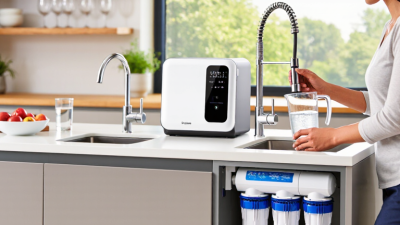
Match the equipment to the evidence. A whole house water filtration system treats water where it enters the home, which can help address concerns at multiple taps. Yet no single cartridge removes everything. Certification to standards such as NSF/ANSI 42 or 53 can help verify specific reduction claims; check the exact contaminants listed for the model. Think about flow rate, replacement costs, installation space, and maintenance—not just the box price. A filter that is ignored can disappoint.

A small detail counts. Keep the lab report, compare it with the manufacturer’s performance data, and ask a qualified water professional when results are unclear. The right choice is rarely the most complicated one. It is the one that fits your water, your home, and the maintenance you will actually do.

How to Choose a Whole House Water Filtration System in 2026

Define Your Household’s Water Quality Goals

Define Your Household’s Water Quality Goals

Start with evidence, not a shopping list. If your home uses municipal water, review the latest water quality report and note any contaminants or concerns relevant to your address. For a private well, arrange testing through a qualified laboratory; the right tests depend on local geology and nearby land uses. A metallic taste or cloudy glass can offer clues, but appearance alone cannot confirm what is in the water. Looks can mislead.

Decide what you want the system to improve. Your priorities might include reducing a tested contaminant, softening hard water, or improving chlorine taste and odor. These are different goals, and one filter type will not necessarily address them all. Match any product’s independently verified performance claims to the specific contaminant you want reduced. Read the details carefully.

Think about where treatment is needed. A whole-house system treats water at the entry point, which may help protect plumbing and appliances, but it can cost more and require space and maintenance. Drinking and cooking water may need different treatment from water used for laundry or bathing. Also check your household’s peak flow needs, such as when a shower and washing machine run together. It is easy to overlook pressure loss. Write down your test results, priorities, and maintenance limits before comparing systems; some trade-offs may remain, and that is worth acknowledging.

How to Choose a Whole House Water Filtration System in 2026 - Define Your Household’s Water Quality Goals

Household Goal What to Test or Check How to Interpret the Result Potential Treatment Approach Selection and Verification Notes
Reduce chlorine taste or odor Ask the water utility about disinfectant use; test the tap water if needed. Chlorine taste or odor is an aesthetic concern and does not, by itself, identify other contaminants. Activated-carbon filtration at the point of entry may reduce chlorine throughout the home. Check that the exact system is independently certified for the specific reduction claim, such as chlorine reduction under NSF/ANSI 42. Follow cartridge replacement and flow-rate requirements.
Address lead from plumbing Use a certified laboratory or local drinking-water program to test water at the tap, especially in older homes or where lead plumbing may be present. Lead can enter water from service lines, solder, or fixtures. Water appearance and taste cannot establish whether lead is present. Use a filter specifically certified for lead reduction at the drinking-water tap; plumbing replacement may also be needed. Do not assume a general whole-house filter removes lead. Verify the exact model’s lead-reduction certification and follow local health-authority advice.
Reduce hardness and scale Measure hardness, commonly reported as mg/L (or ppm) as calcium carbonate or grains per gallon. Hardness is mainly a scaling and soap-use concern. It is not, by itself, a measure of overall water safety. A cation-exchange water softener can reduce calcium and magnesium hardness. Size the softener using measured hardness and household water use. Consider salt use, regeneration settings, and local discharge rules; softening does not remove all contaminants.
Control sediment or visible particles Inspect for particles and test turbidity or suspended solids when appropriate, particularly for private wells. Sediment can clog plumbing and downstream equipment, but a clear appearance does not prove water is free of dissolved contaminants or microbes. A correctly sized sediment prefilter can capture particles before finer treatment stages. Choose a filter rating and flow capacity suited to the measured particle load. A sediment filter is not a substitute for disinfection or chemical treatment.
Manage nitrate in well water Test for nitrate through a certified laboratory; request results reported as nitrate-nitrogen or nitrate and confirm the units. The U.S. federal maximum contaminant level is 10 mg/L measured as nitrogen (N). Results reported as nitrate ion use different units. Depending on the test result and use, treatment may include reverse osmosis or anion exchange. Point-of-use treatment is often used for drinking and cooking water. Standard activated carbon does not reliably remove nitrate. Verify the treatment claim for nitrate specifically and retest treated water.
Address arsenic in well water Test through a certified laboratory; ask whether the result distinguishes arsenic species when treatment planning requires it. The U.S. federal maximum contaminant level is 10 µg/L. Arsenic is not detectable by sight, taste, or smell. Options may include media adsorption, anion exchange, or reverse osmosis, selected for the water chemistry and arsenic form. Use a system with a verified arsenic-reduction claim for the relevant conditions. Confirm performance with follow-up testing.
Check for microbial contamination in a private well Test for total coliform bacteria and E. coli through a certified laboratory, especially after flooding, repairs, or changes in water quality. Detection of E. coli requires prompt attention and public-health guidance. A single negative test does not guarantee future water safety. Well disinfection may be needed; ongoing treatment can include ultraviolet disinfection or another professionally selected method. UV systems require suitable pretreatment and maintenance, and do not provide a disinfectant residual in plumbing. Test the well regularly according to local guidance.
Reduce a specific health-related contaminant Use a water report or laboratory test to identify the contaminant and its concentration before choosing equipment. There is no single filter that removes every contaminant. Treatment performance varies by contaminant, concentration, water chemistry, and operating conditions. Match the treatment technology to the verified contaminant; some goals may be better addressed at a drinking-water tap than at the whole-house inlet. Review the exact product’s independent certification and performance data for the named contaminant. Re-test treated water when appropriate.

Planning tip: Start with a current water-quality report for municipal water or a certified laboratory test for a private well. Define which concerns affect all household water and which apply only to drinking and cooking water before comparing whole-house systems.

Test Your Water and Identify Specific Contaminants

Before choosing a whole-house water filtration system, find out what is actually in your water. A clear glass can still contain contaminants, while a harmless mineral may affect taste or leave scale on a kettle. If your home uses municipal water, review the latest water quality report, then consider testing at the tap. The report describes the water system, not necessarily what travels through your home’s pipes. For a private well, use a qualified laboratory and follow its sampling instructions carefully. A poorly collected sample can be misleading.

Test for specific concerns, not everything by default. Depending on your water source and local conditions, these may include lead, bacteria, nitrate, iron, hardness, or other contaminants identified in regional reports. Don’t guess from smell. A sulfur-like odor may signal a concern, but appearance and taste cannot reliably identify many hazards. Ask the lab which bottle to use, whether to run the tap first, and how quickly to return the sample. Small details matter. Review detection limits and units, too; results are hard to compare when those differ. Testing is not perfect, and water quality can change with seasons or plumbing work. Retest when results or circumstances warrant it, then match treatment to the contaminants found.

Match Filtration Technology to Your Water Supply

How to Choose a Whole House Water Filtration System in 2026

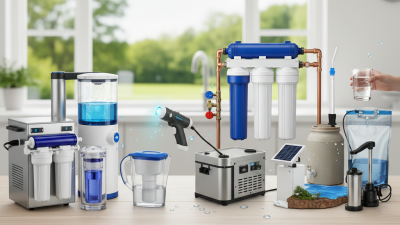
Match the treatment to what is actually in your water. Start with a recent utility water report, or use a certified laboratory to test well water. Look for specific concerns, such as sediment, chlorine taste, iron staining, or hardness. These need different solutions. A sediment filter can catch grit in a clear housing, but it will not remove dissolved minerals. Carbon may reduce chlorine and some odors, but it is not a universal purifier.

Consider how much water your household uses at once. A system that is too small can reduce shower pressure when laundry is running. Check its rated flow and replacement schedule, and ask whether it needs a drain or regular backwashing. It is tempting to buy the broadest treatment available. That can add cost and upkeep without addressing your actual water issue. I would pause and verify the test results before choosing.

Tips: Compare treatment claims with your test results, not just the system’s feature list. For private wells, retest when water quality changes. Keep records of filter changes and any maintenance. A little paperwork helps reveal patterns.

Compare System Capacity, Certifications, and Ongoing Costs

Choosing a whole-house filter starts with demand, not the largest number on a product sheet. The U.S. EPA reports that an average family uses more than 300 gallons of water at home daily, with most indoor use coming from toilets, showers, and faucets. That is total household use, not the system’s required flow rate. Check the unit’s rated gallons per minute against simultaneous use, such as a shower running while laundry fills. Also compare its stated treatment capacity—the gallons handled before media or cartridges need replacement.

Certifications should match the problem you want to solve. NSF/ANSI 42 covers aesthetic effects, such as chlorine taste and odor; NSF/ANSI 53 addresses specific health effects. NSF/ANSI 401 covers certain emerging compounds. A certification applies to stated claims and test conditions, not every contaminant. Read the performance data sheet, and check whether the exact system—not just a component—has been independently certified. A reassuring label alone is not enough.

Ongoing costs can change the real value of a system. Add the listed price of replacement cartridges or media, how often they need changing, and any salt, electricity, or service expenses. Compare costs over several years, not just the purchase price. Keep a simple replacement log; household water quality and usage can make schedules vary. I would still treat advertised intervals as estimates, not promises.

Plan Installation, Maintenance, and Performance Checks

Before choosing a whole-house filtration system, test your water and identify the problem you want to address. A basic water report may show hardness, sediment, or specific contaminants; appearance alone cannot confirm what is present. Match the treatment method to the test results, and check the system’s rated flow so showers and appliances can run together without excessive pressure loss. Bigger is not always better.

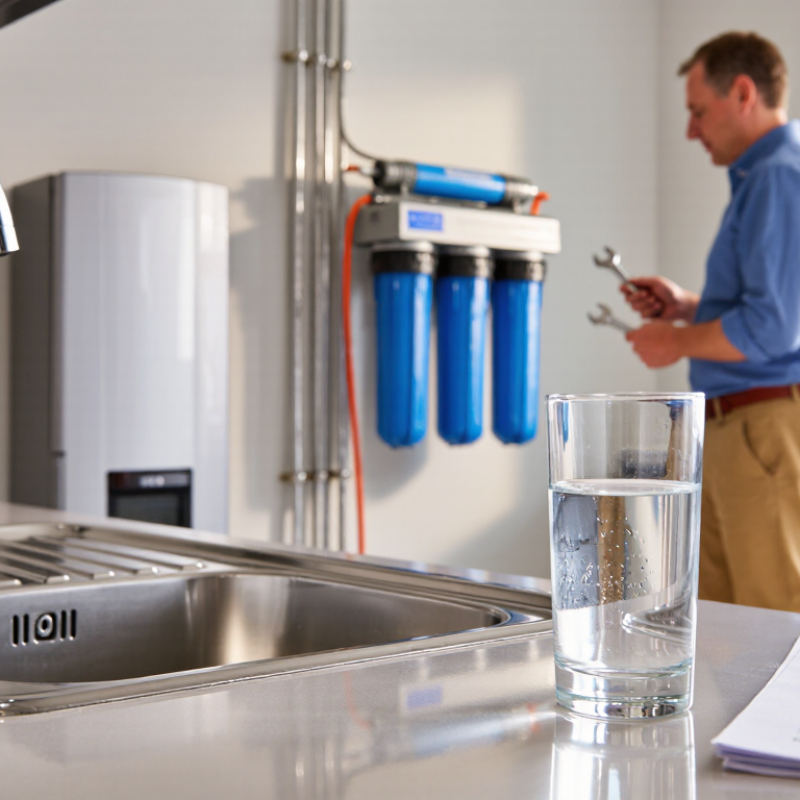
Plan the installation around the main water line, a reachable shutoff valve, and enough room to replace cartridges. Ask a qualified plumber to check pipe size, water pressure, drainage needs, and any electrical requirements. Leave space for a bypass valve. You may thank yourself later. Photograph the connections before work begins; it is a small detail, but useful if a fitting needs attention.

Set reminders based on the manufacturer’s service schedule, then inspect for leaks and note changes in flow, taste, or odor. Replace filters as directed, not only when water seems different. After installation, compare a new water test with the original results using the same testing method. Keep the reports and maintenance dates together. I would not assume a clear glass proves the system is working; some contaminants have no visible or detectable taste. If results remain outside the system’s stated performance range, ask a qualified water-treatment professional to review the setup.