Contaminant Comparison Chart

For a complete list of contaminants that PUR filters reduce, please view our Performance Data Sheets here.


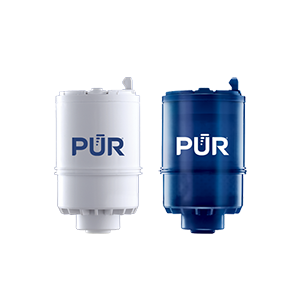
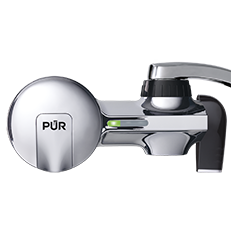
PUR & PUR PLUS FAUCET FILTERS
RF3375/RF9999

View Filters

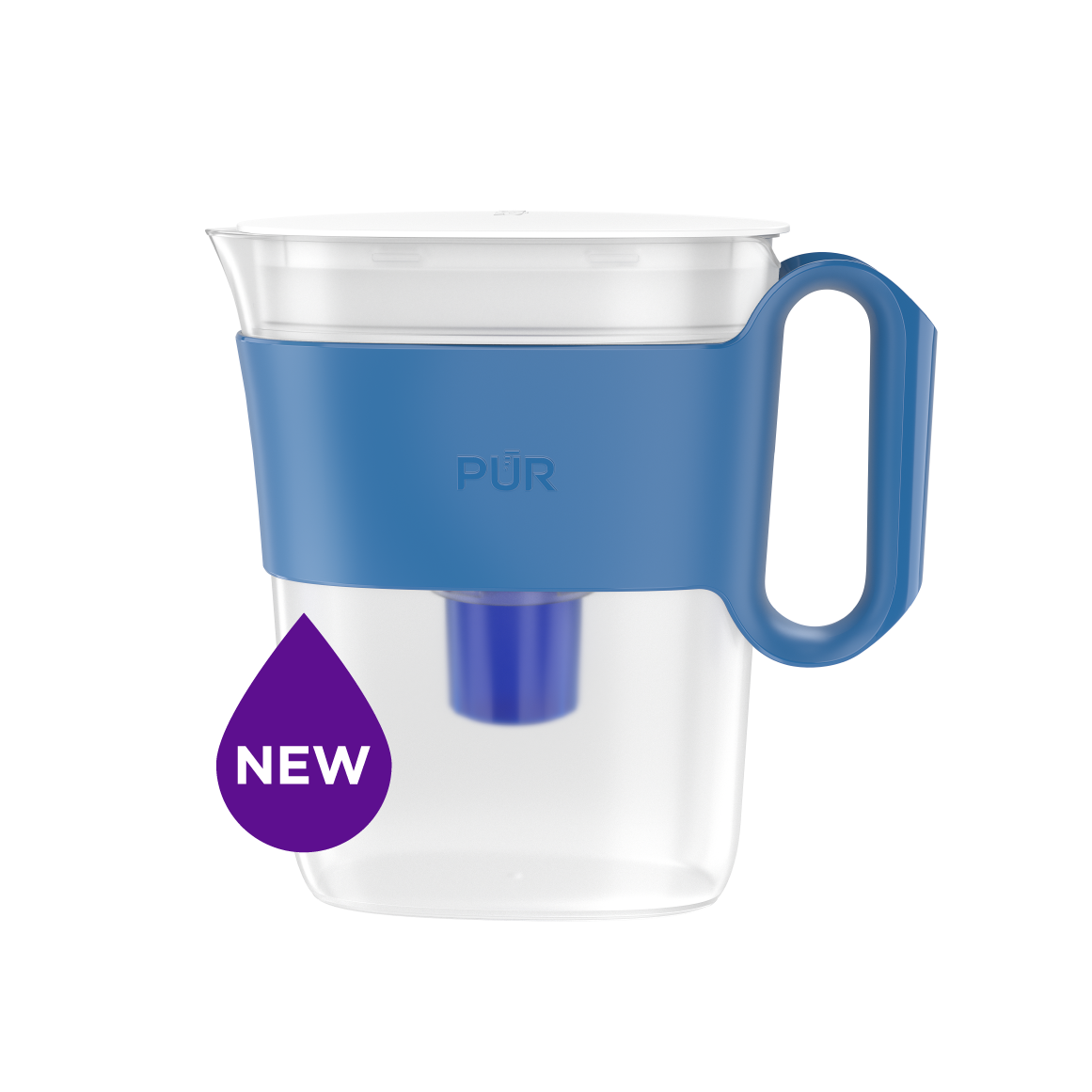
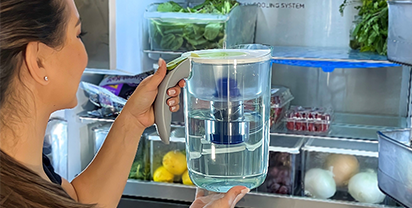
PUR PLUS PITCHER FILTERS
PPF951K

View Filter

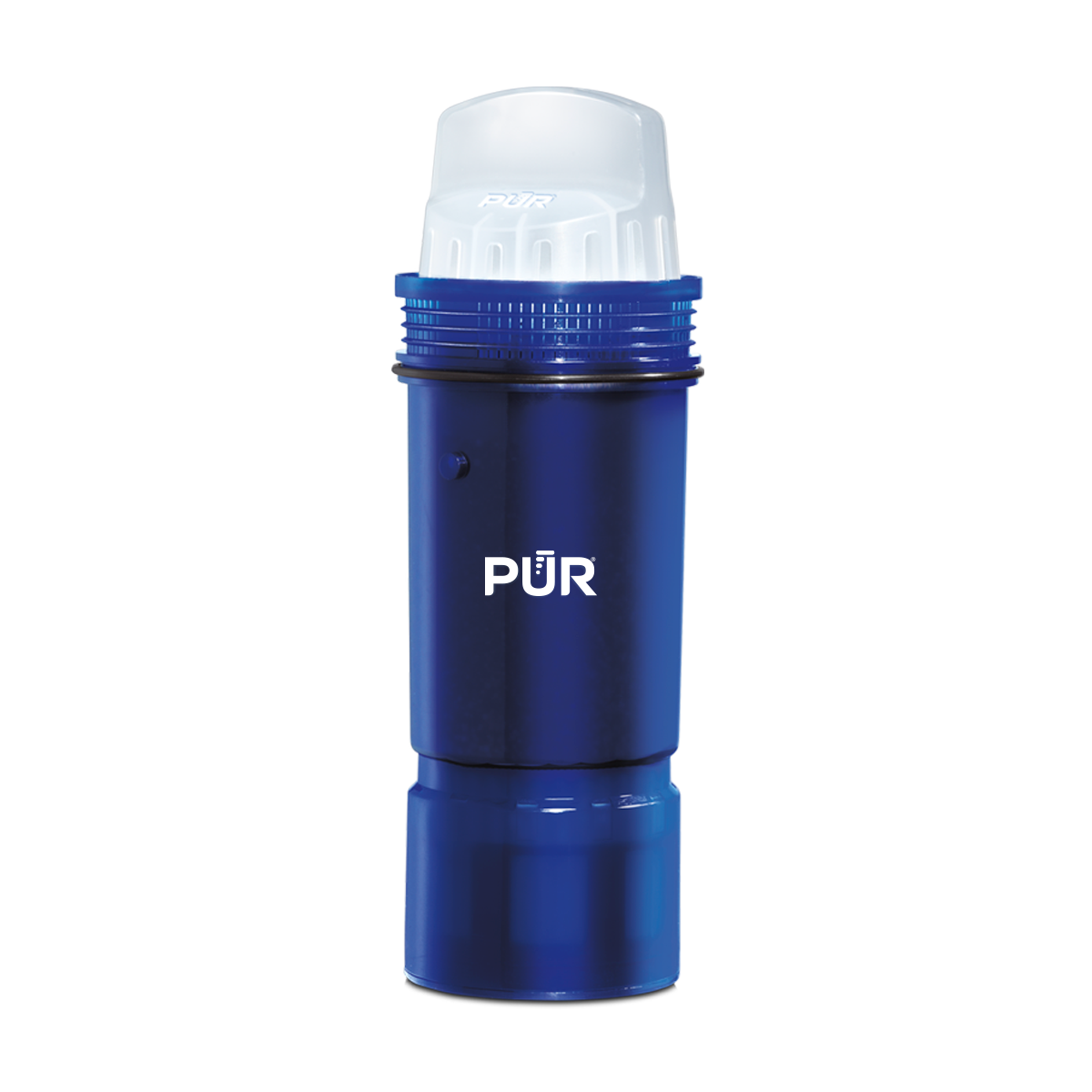
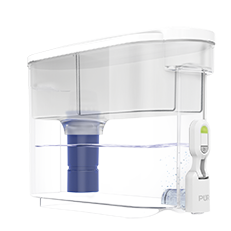
PUR BASIC PITCHER FILTERS
PPF900Z

View Filter


Vs. Brita*

Lead
Microplastics
Mercury
Chlorine Taste & Odor
DEET
TTHM

PUR’s Filtration Systems Are Certified By NSF And WQA For Their Contamination Reduction. WQA certifications as of 5/27/21 for Faucet filter models RF-3375 and RF-9999.

¹ Certified to reduce 10X more chemical and physical substances than Brita’s® leading pitcher filter.
² Certified to reduce 3X more chemical and physical substances than Brita’s® leading pitcher filter.
³ Certified to reduce 2X more chemical and physical substances than Brita’s® leading pitcher filter.
*Versus best-selling Brita® pitcher filter OB03. Brita® is a trademark of Brita LP.
**Like other leading brands, PUR does not filter microbes. As of 3/1/23 Brita® and ZeroWater® were not certified to filter microbes. Brita® is a trademark of Brita LP. ZeroWater® is a trademark of Zero Technologies, LLC..
 

PUR & PUR PLUS FAUCET FILTERS


PUR & PUR PLUS FAUCET FILTERS
RF3375/RF9999

View Filters


Vs. Brita*

Lead
Microplastics
Mercury
Chlorine Taste & Odor
DEET
TTHM

PUR’s Filtration Systems Are Certified By NSF And WQA For Their Contamination Reduction. WQA certifications as of 5/27/21 for Faucet filter models RF-3375 and RF-9999.

¹ Certified to reduce 10X more chemical and physical substances than Brita’s® leading pitcher filter.
² Certified to reduce 3X more chemical and physical substances than Brita’s® leading pitcher filter.
³ Certified to reduce 2X more chemical and physical substances than Brita’s® leading pitcher filter.
*Versus best-selling Brita® pitcher filter OB03. Brita® is a trademark of Brita LP.
**Like other leading brands, PUR does not filter microbes. As of 3/1/23 Brita® and ZeroWater® were not certified to filter microbes. Brita® is a trademark of Brita LP. ZeroWater® is a trademark of Zero Technologies, LLC..
 

PUR PLUS PITCHER FILTERS


PUR PLUS PITCHER FILTERS
PPF951K

View Filter


Vs. Brita*

Lead
Microplastics
Mercury
Chlorine Taste & Odor
DEET
TTHM

PUR’s Filtration Systems Are Certified By NSF And WQA For Their Contamination Reduction. WQA certifications as of 5/27/21 for Faucet filter models RF-3375 and RF-9999.

¹ Certified to reduce 10X more chemical and physical substances than Brita’s® leading pitcher filter.
² Certified to reduce 3X more chemical and physical substances than Brita’s® leading pitcher filter.
³ Certified to reduce 2X more chemical and physical substances than Brita’s® leading pitcher filter.
*Versus best-selling Brita® pitcher filter OB03. Brita® is a trademark of Brita LP.
**Like other leading brands, PUR does not filter microbes. As of 3/1/23 Brita® and ZeroWater® were not certified to filter microbes. Brita® is a trademark of Brita LP. ZeroWater® is a trademark of Zero Technologies, LLC..

 

PUR BASIC PITCHER FILTERS


PUR BASIC PITCHER FILTERS
PPF900Z

View Filter


Vs. Brita*

Lead
Microplastics
Mercury
Chlorine Taste & Odor
DEET
TTHM

PUR’s Filtration Systems Are Certified By NSF And WQA For Their Contamination Reduction. WQA certifications as of 5/27/21 for Faucet filter models RF-3375 and RF-9999.

¹ Certified to reduce 10X more chemical and physical substances than Brita’s® leading pitcher filter.
² Certified to reduce 3X more chemical and physical substances than Brita’s® leading pitcher filter.
³ Certified to reduce 2X more chemical and physical substances than Brita’s® leading pitcher filter.
*Versus best-selling Brita® pitcher filter OB03. Brita® is a trademark of Brita LP.
**Like other leading brands, PUR does not filter microbes. As of 3/1/23 Brita® and ZeroWater® were not certified to filter microbes. Brita® is a trademark of Brita LP. ZeroWater® is a trademark of Zero Technologies, LLC..
 

Top 10 Drinking Water Filtration Systems You Should Consider?

In the realm of modern health and well-being, drinking water filtration systems are increasingly vital. As Dr. Emily Carter, a leading expert in water purification technologies, states, “Access to clean water is not just a luxury; it’s a necessity.” With numerous options available, selecting the right filtration system can feel overwhelming.

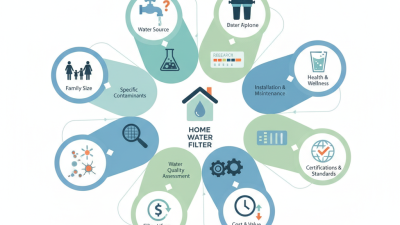
Most systems vary in types, effectiveness, and price points. You might wonder, which one suits your needs best? Consider your water source, potential contaminants, and household size. A good filtration system should act as a barrier against impurities and enhance taste. However, quality often comes with a price tag, which can lead to decision fatigue.

Investing in a drinking water filtration system requires careful thought. While some systems produce outstanding results, others may fall short. Not all filters remove the same contaminants. Hence, your choice shouldn’t be purely based on brand reputation or cost. Your health depends on it. Reflecting on these aspects could ensure safer, cleaner water for you and your family.

Top 10 Drinking Water Filtration Systems You Should Consider?

Types of Drinking Water Contaminants Addressed by Filtration Systems

When considering drinking water filtration systems, understanding the types of contaminants is crucial. Many systems target bacteria, viruses, and sediments. These microorganisms can impact health significantly. For instance, a simple bacterium can lead to gastrointestinal issues. Filtration systems remove these threats effectively.

Chemical contaminants also pose a risk. Heavy metals like lead or arsenic might seep into water supplies. Certain filtration systems are designed to tackle these harmful chemicals. They're essential for safe consumption. Pesticides and chlorine byproducts can disrupt hormonal balance, highlighting the need for robust filtration solutions.

Some systems may not consistently remove all contaminants. Water hardness, for instance, can still affect taste and quality. Regular maintenance of filters is necessary for optimal performance. Awareness of these aspects is key when selecting the right water filtration system.

Key Features to Look for in a Water Filtration System

When selecting a water filtration system, it's essential to focus on key features that ensure effective purification. A report by the Water Quality Association highlights that over 50% of households have some form of water treatment system. Understanding these features can help in making informed decisions.

One crucial aspect is the filtration method. Carbon filters are popular, as they effectively reduce chlorine and improve taste. Reverse osmosis systems are also worth considering. They can remove up to 99% of contaminants, including heavy metals and bacteria. According to the Environmental Protection Agency, these systems significantly improve water safety.

Another feature to explore is the flow rate. A higher flow rate means you can access filtered water quickly, which is vital for larger families. However, higher flow rates often come at the cost of filtration effectiveness. Many users overlook this trade-off, leading to dissatisfaction later. Additionally, maintenance is important. Filters need regular replacement, typically every six months to a year. Ignoring this can result in decreased performance, and consumers often fail to track when replacements are necessary.

Top 10 Drinking Water Filtration Systems: Overview and Comparison

When choosing a water filtration system, it's important to understand the options available. Different systems vary in design and effectiveness. Some focus on removing chlorine and sediment, while others target heavy metals or bacteria. A clear and straightforward comparison can help you make an informed choice.

Consider a system with a multi-stage filtration process. This method combines various technologies to remove impurities effectively. It's essential to look for certifications. Reliability in filtration performance ensures clean water. You might encounter reverse osmosis systems, which are known for their thorough purification.

However, not all systems will fit every household. Factors like water quality and usage patterns come into play. Some may find specific systems too complex or costly for their needs. Reflect on your own requirements carefully. This evaluation leads to smarter decisions about your drinking water.

Top 10 Drinking Water Filtration Systems: Overview and Comparison

Installation and Maintenance Tips for Water Filtration Systems

When considering drinking water filtration systems, installation and maintenance play crucial roles in ensuring optimal performance. An estimated 40% of households regularly overlook essential maintenance. Regularly changing filters as recommended by manufacturers ensures contaminants are effectively reduced. Dirty or clogged filters can lead to water flowing at reduced pressure and may impact the quality of water produced.

Proper installation is equally important. Incorrect setup can cause leaks or inefficient filtration. Homeowners should closely follow the manufacturer's instructions during installation, ensuring that all connections are secure. A report from the Water Quality Association stated that improper installation can lead to a 30% decrease in system efficiency. Awareness of these factors can help users maximize the lifespan of their filtration systems.

Users must also be mindful of their water source. Water quality varies greatly across regions, and potential contaminants may differ. Conducting regular water tests is vital, and periodic maintenance checks can help identify issues. Neglecting these steps may not only affect taste but also health. Maintaining awareness of local water quality reports helps users make informed decisions.

Cost Considerations: Buying and Operating Water Filtration Systems

When considering water filtration systems, cost is a significant factor. The initial purchase price varies widely. Basic options can be affordable, while advanced systems may cost more. It's important to evaluate long-term operational costs. Filters may require replacement every few months, adding to overall expenses. Some systems need professional installation, which can increase your initial investment.

Maintenance is a crucial aspect often overlooked. Neglecting regular upkeep can lead to inefficient filtering. This can compromise water quality and lead to health concerns. Reliable operation depends on following the manufacturer's guidelines. If you miss a filter replacement, your system may not perform effectively. This presents a dilemma for many homeowners. Balancing cost with quality performance is essential for sustainable choices.

Budget considerations extend to water usage and energy consumption. Some advanced systems consume more power, impacting utility bills. This is an often ignored aspect when weighing options. Evaluating your household's water needs is vital. Understanding these costs ensures you choose a filtration system that meets your financial and health expectations.